YAMASAN Kyoto Uji Sencha Green Tea Loose Leaf, JAS Certified Organic Japanese Tea, 80g Bag Review (2026)
Updated September 14, 2026 · Research-based review
Our verdict
This 80g bag of Kyoto Uji sencha suits a green tea drinker who wants a single-origin Japanese tea rather than a bulk bag of mixed-region leaves. The JAS organic certification and named growing region back up the premium positioning, though the smaller size and careful brewing needs make it a specialty buy, not an everyday bulk tea.
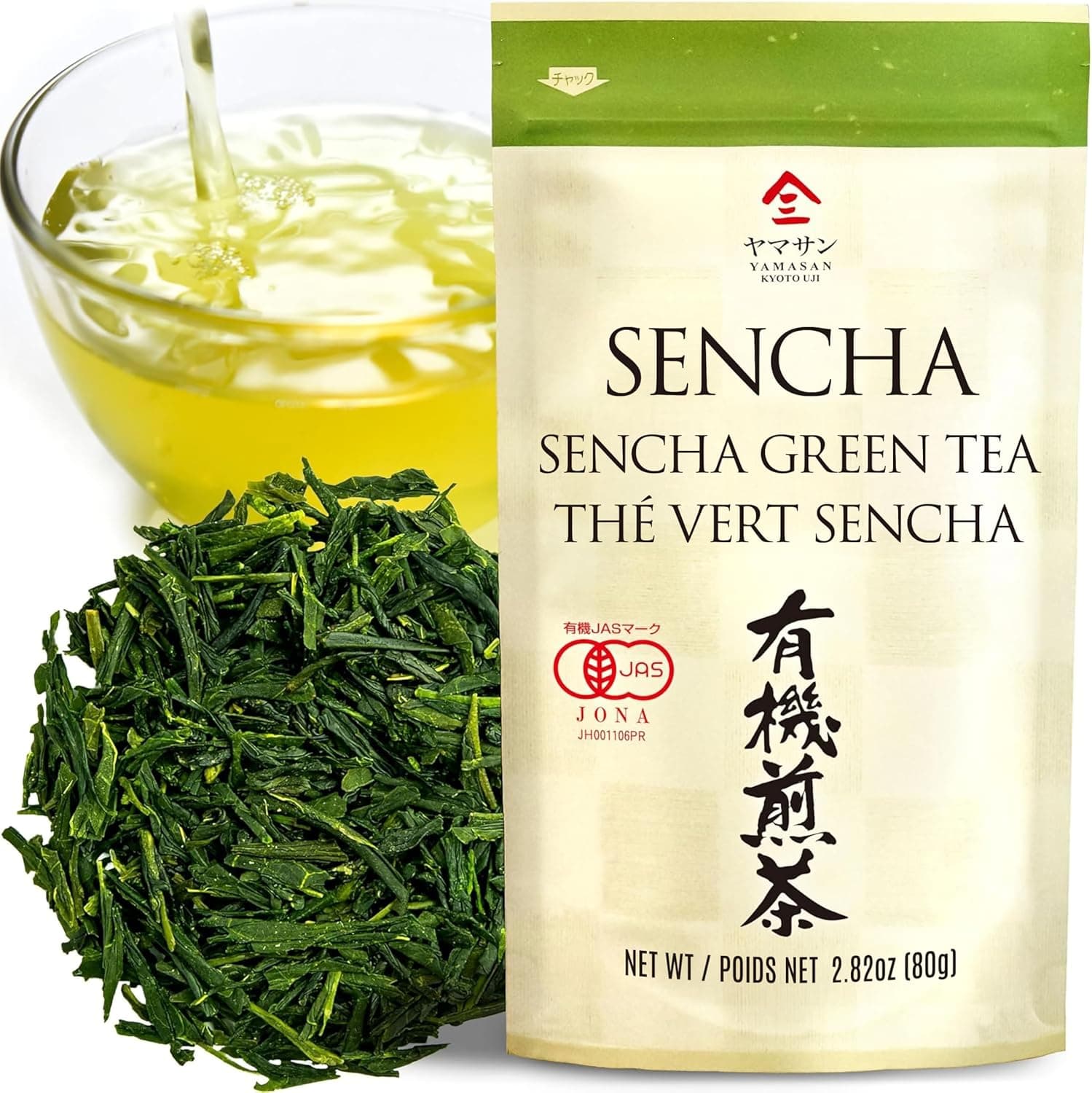
YAMASAN's Kyoto Uji Sencha loose leaf green tea, JAS Certified Organic Japanese tea in an 80g Bag.
Price range: See on Amazon
What we liked
- + Kyoto Uji is one of Japan's most famous green tea regions
- + JAS Certified Organic confirms Japanese organic standards
- + 80g Bag is a fresh-sized amount for regular sencha drinkers
Trade-offs
- - Delicate sencha needs cooler water and short steeps to avoid bitterness
- - Small bag costs more per gram than Chinese bulk greens
Who this tea is for
This sencha is aimed at someone who already appreciates Japanese green tea specifically, rather than green tea in general, and wants a bag tied to a named, historic growing region instead of an unlabeled blend. Uji, near Kyoto, is one of Japan's most recognized tea-growing areas, and the seller states the plantation has been protected by local tea farmers for centuries. At 80g, or about 2.8oz, the bag is sized for a dedicated but moderate drinker rather than someone brewing multiple pots a day, since it will run out faster than a 16oz bulk bag. Anyone new to Japanese sencha and unsure they will like its grassier, more vegetal profile compared with Chinese green teas may want to start with a smaller sample before this size.
What the certification and sourcing cover
The tea carries JAS organic certification, Japan's official organic standard, which the seller states confirms the leaves meet Japanese organic farming practices rather than a foreign certification applied after import. YAMASAN markets the tea as blended from first-harvest and second-harvest leaves, lightly steamed in the traditional sencha style, which affects both color and flavor intensity compared with deeper-steamed fukamushi sencha. The seller's own product page recommends brewing at roughly 70 to 90 degrees Celsius, well below a full boil, which matches how sencha is generally treated to avoid drawing out excess bitterness from the more delicate leaf structure. The company states it has been sourcing and preparing traditional Japanese foods since 1995.
Living with it day to day
Because sencha is a lightly steamed, delicate leaf, brewing it correctly takes more attention than tossing a tea bag into boiling water. Water that is too hot pulls excessive tannins out of the small, tender leaves quickly, turning the cup bitter within a short steep, which is why the recommended range sits well under boiling. Once you settle into the right temperature and a short steep time, the tea rewards that care with a genuinely bright, less astringent cup than many green teas brewed carelessly. The 80g bag is compact enough to store in a kitchen cabinet without taking much space, though it also means restocking sooner than a bulk-sized bag if sencha becomes a daily habit.
Trade-offs and how it compares
Against a bulk bag like U.S. Wellness Naturals' 16oz gunpowder green tea, this YAMASAN sencha trades quantity and cost-per-ounce for a named single origin and a more delicate flavor profile suited to purists. Against the FGO Organic Gunpowder Green Tea in a 453g resealable bag, the comparison is really Japanese sencha versus Chinese gunpowder, two different tea styles rather than a direct quality contest, and the right pick depends on which flavor profile you prefer. Buyers focused purely on cost per cup and who are comfortable with a bolder, more forgiving brewing process are generally better served by a bulk Chinese green tea instead of this smaller specialty bag.
Verdict and who should pick something else
This tea fits a green tea drinker who wants a genuine, single-region Japanese sencha and is willing to brew it with attention to water temperature to get the best cup. The JAS organic certification and named Uji origin support the specialty pricing and smaller bag size. Skip it if you want a low-maintenance bulk tea that tolerates boiling water and infrequent brewing precision, or if cost per cup matters more than provenance, since a larger bag of Chinese green tea will stretch further for daily drinking without the same care requirements.
Frequently asked questions
What water temperature should I use for this sencha?
The seller recommends brewing at roughly 70 to 90 degrees Celsius, well below a full boil, to avoid excess bitterness.
Is this tea organic certified?
Yes, it carries JAS certification, Japan's official organic standard for agricultural products.
How much tea is in the bag?
The bag contains 80g, or about 2.8oz, of loose leaf sencha.
Where is this tea grown?
The seller states the leaves come from the Uji region near Kyoto, Japan, a long-established tea-growing area.
Prices change often, so check the current price and availability on Amazon.
Check price on AmazonTea Bar Hub may earn a commission from the link above.