ARTDOU 100-Prong Bamboo Matcha Whisk (Chasen), Traditional Green Tea Powder Stirrer & Mixer, Authentic Handcrafted Review (2026)
Updated September 14, 2026 · Research-based review
Our verdict
This ARTDOU chasen is for anyone who wants a traditional bamboo whisk to properly froth matcha rather than relying on an electric frother or a spoon. Its main trade-off is fragility, since the fine bamboo tines can snap if pressed too hard against the bowl.
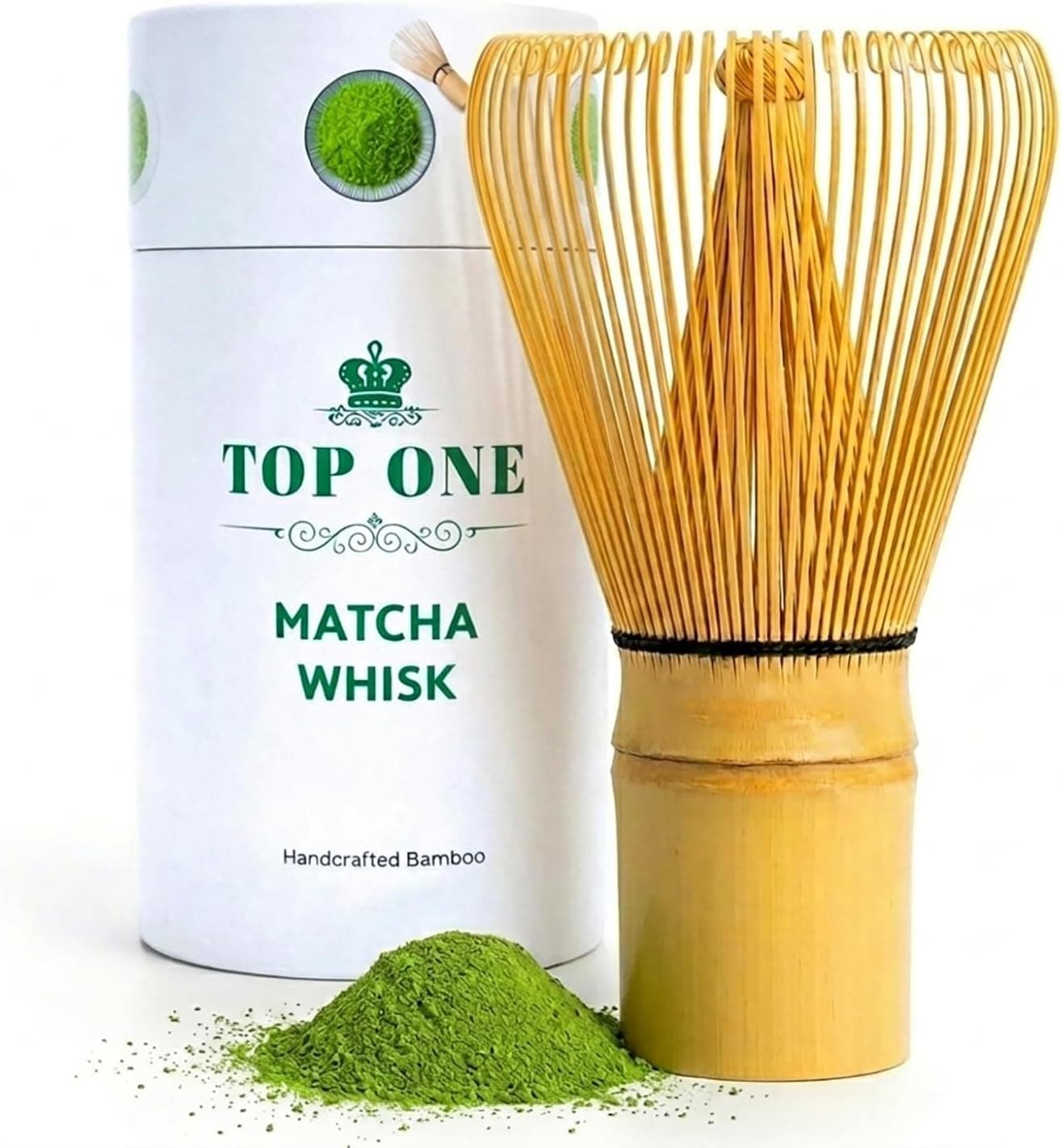
ARTDOU's handcrafted 100-Prong bamboo matcha whisk (chasen), a traditional stirrer for whisking matcha to a smooth froth.
Price range: See on Amazon
What we liked
- + 100-Prong design creates fine foam for traditional usucha
- + Authentic Handcrafted bamboo gives the classic chasen feel
- + Brand listing makes it easier to reorder the same whisk
Trade-offs
- - Bamboo tines are delicate and break if pressed hard in the bowl
- - Needs a whisk holder to keep its shape while drying
Who this whisk suits
This whisk is aimed at matcha drinkers who have moved past instant mixes and want the traditional tool used to properly dissolve and froth powdered green tea. It ranks first of eight in a guide to matcha whisks, covering both traditional bamboo chasen and modern alternatives, putting this handcrafted 100 prong model ahead of several similarly styled competitors. Anyone who already owns a matcha bowl and powder but has been stirring with a spoon, which tends to leave clumps and a flat texture, will notice the biggest improvement by adding a proper whisk. It also suits people drawn to the ritual side of matcha preparation, since a bamboo chasen is the traditional tool used in Japanese tea ceremonies rather than a modern convenience gadget.
What the prong count and construction mean
A 100 prong count sits in the middle of the range for chasen, which commonly run from around 80 prongs up to 120 or more, with a higher prong count generally producing a finer, denser foam on top of the whisked tea. The whisk is described as handcrafted from a single piece of bamboo with no glues or lacquers used in construction, which matters for a tool that goes directly into a beverage. Each prong is carved individually rather than cut by machine in cheaper alternatives, and the tines are thin by design so they can flex and aerate the matcha rather than simply stirring it around the bowl. Being a natural bamboo product, no two whisks are perfectly identical, which is typical of handcrafted chasen generally rather than specific to this listing.
Living with a bamboo whisk
In daily use, a bamboo chasen needs to be soaked briefly in warm water before first use and before each session to soften the tines and prevent cracking, a standard step for any bamboo whisk rather than something unique to this one. After whisking, rinsing with warm water alone, without soap, is the usual care approach, since bamboo can absorb detergent residue and dish soap is generally discouraged for this style of tool. Storing the whisk on a whisk holder, called a kusenaoshi, or a small stand keeps the tines curved outward in their resting shape and helps them dry evenly, extending the life of the whisk. Pressing too hard against the bottom or sides of the bowl while whisking is the most common way the fine tines snap or split, so a light, quick wrist motion works better than forceful stirring.
How it stacks up against rivals
Against other 100 prong bamboo whisks in the same guide, most of which are also handcrafted and carry similar claims about chemical-free construction, this ARTDOU model sits ahead largely on brand recognition and consistent listing quality rather than a dramatically different prong count or material. Compared with modern alternatives further down the same guide, likely including electric or silicone frothers, a traditional bamboo chasen produces a different, generally finer and more traditional foam texture, though it requires more care and a slightly steeper learning curve than pressing a button on an electric frother.
Verdict and who should look elsewhere
For anyone ready to whisk matcha the traditional way and willing to handle a natural bamboo tool with a bit of care, this chasen earns its place at the top of the guide, matching our score of 8.6 out of 10. Buyers who want a lower maintenance option, or who whisk matcha rarely enough that bamboo drying and storage feels like a hassle, may prefer one of the modern electric or silicone alternatives covered later in the same guide. Anyone buying their first whisk should also plan to pick up a whisk holder alongside it, since letting a chasen dry flat or bent out of shape shortens its useful life considerably.
Frequently asked questions
Do I need to soak the whisk before using it?
Yes, soaking the tines briefly in warm water before use softens the bamboo and helps prevent the prongs from cracking or splitting.
Can I wash this whisk with soap?
Rinsing with warm water alone is the usual care method for bamboo whisks, since bamboo can absorb detergent residue that soap can leave behind.
Why did my whisk's prongs break?
Bamboo tines are thin by design and can snap if pressed too hard against the bottom or sides of the bowl, so a light, quick whisking motion is recommended instead.
Do I need a separate stand to store the whisk?
A whisk holder or stand is not always included but is recommended, since it keeps the tines curved in their resting shape and helps the whisk dry evenly between uses.
Prices change often, so check the current price and availability on Amazon.
Check price on AmazonTea Bar Hub may earn a commission from the link above.