Descaling a Kettle
Published How we research
Over time, most kettles develop a chalky white buildup on the heating element and interior walls. This is limescale, formed when hard water is heated and its dissolved minerals precipitate out. Beyond looking unappealing, scale can affect the taste of your tea, reduce your kettle's efficiency, and eventually shorten its life, which is why regular descaling is worth the small effort.
Products from this article
The highest-scoring picks from the buying guides this article links to. Scores are our editorial assessment, not customer ratings.
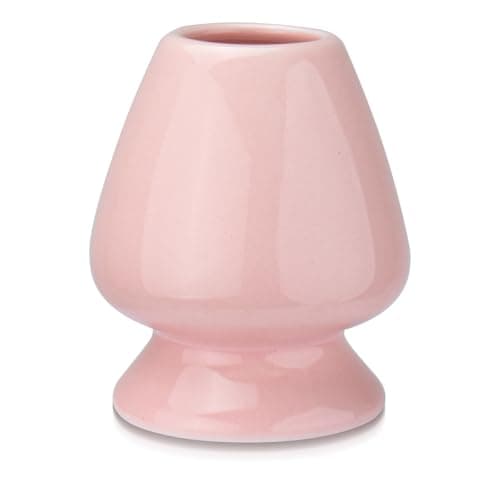
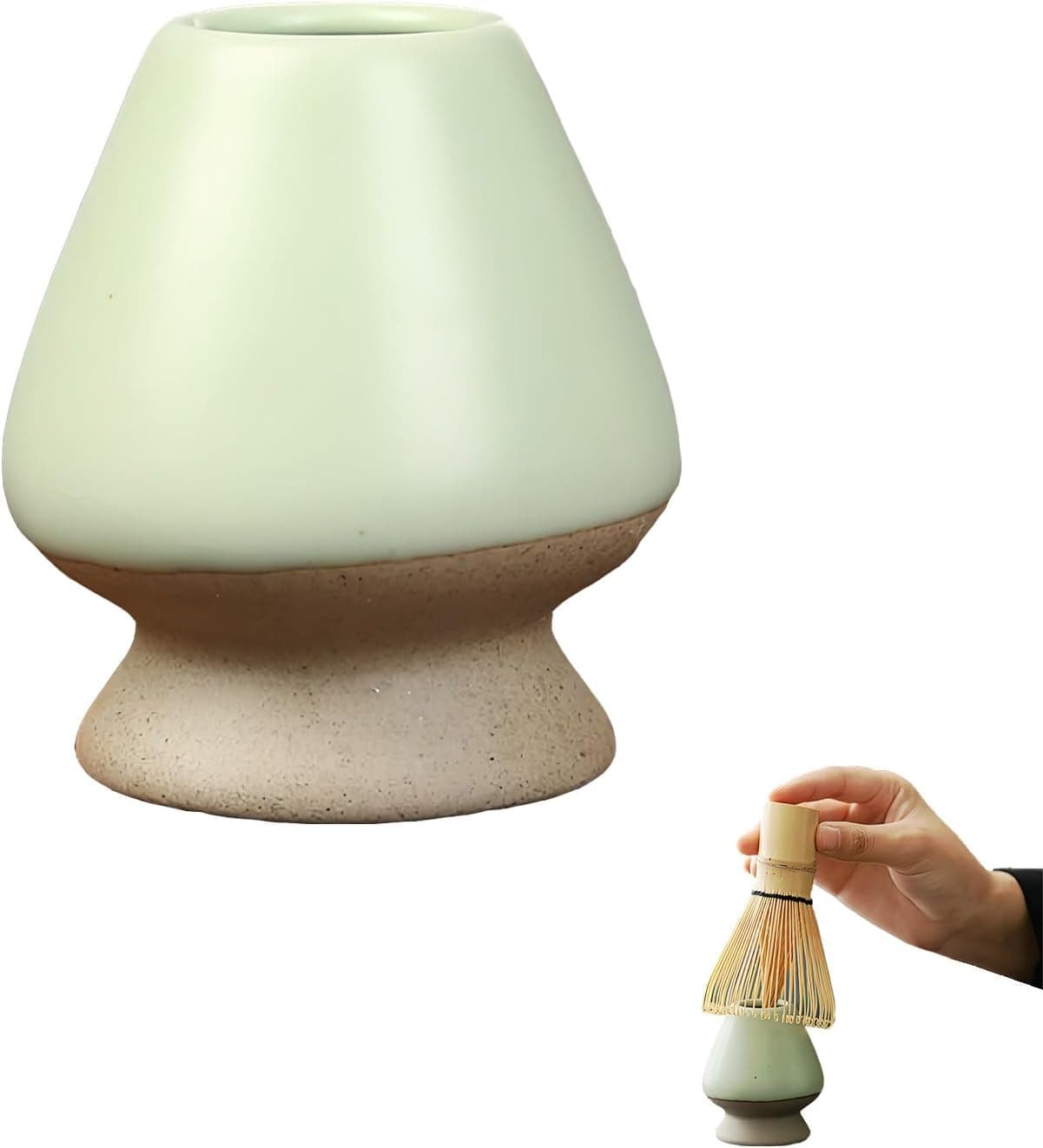
+ Large Opening fits wider shin chasen that tight holders crush
From our guide: Best Matcha Whisk Holders to Protect Your Chasen
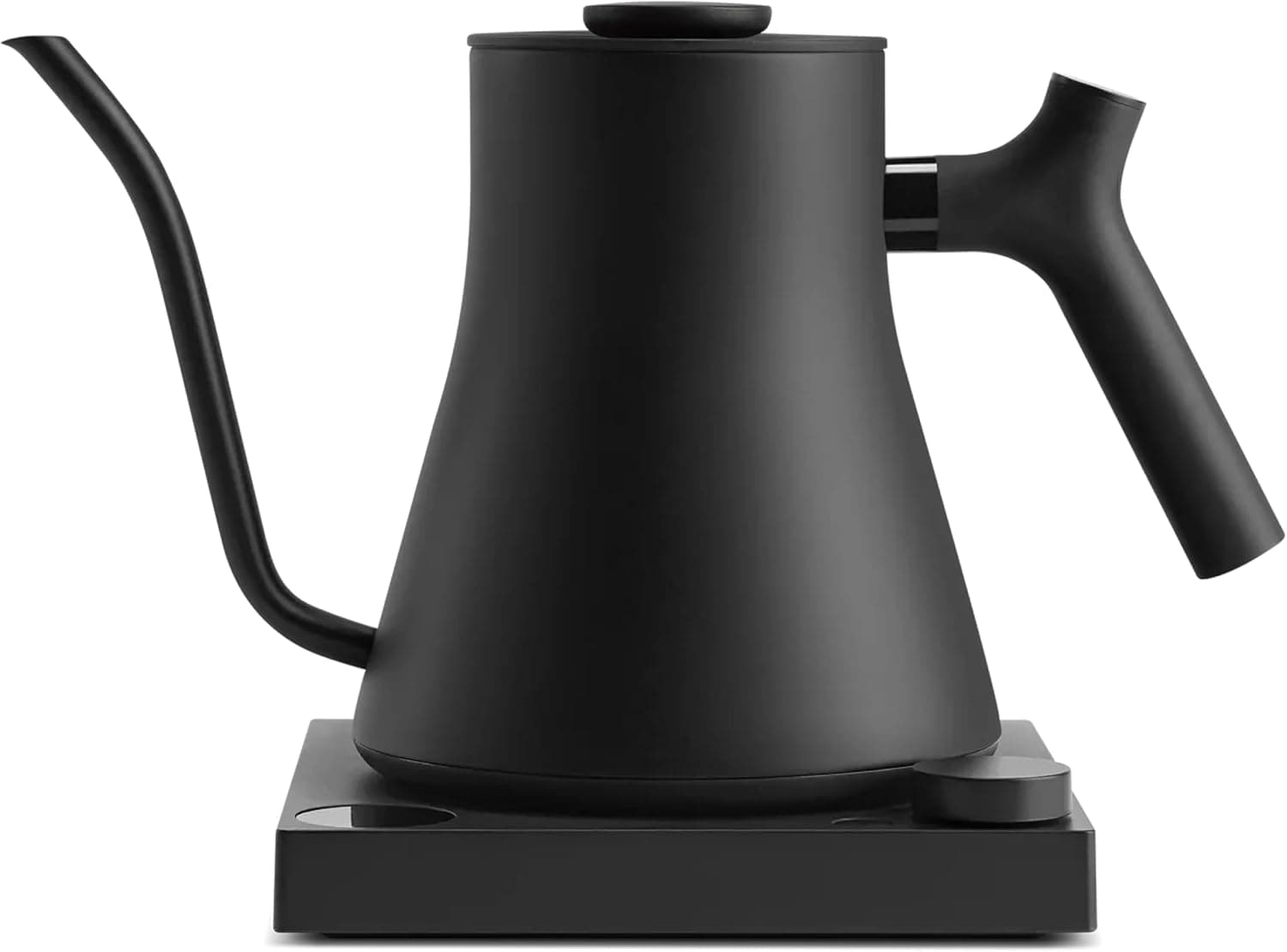
+ Fellow Stagg EKG line is a benchmark for precise gooseneck pouring
From our guide: Best Gooseneck Electric Kettles
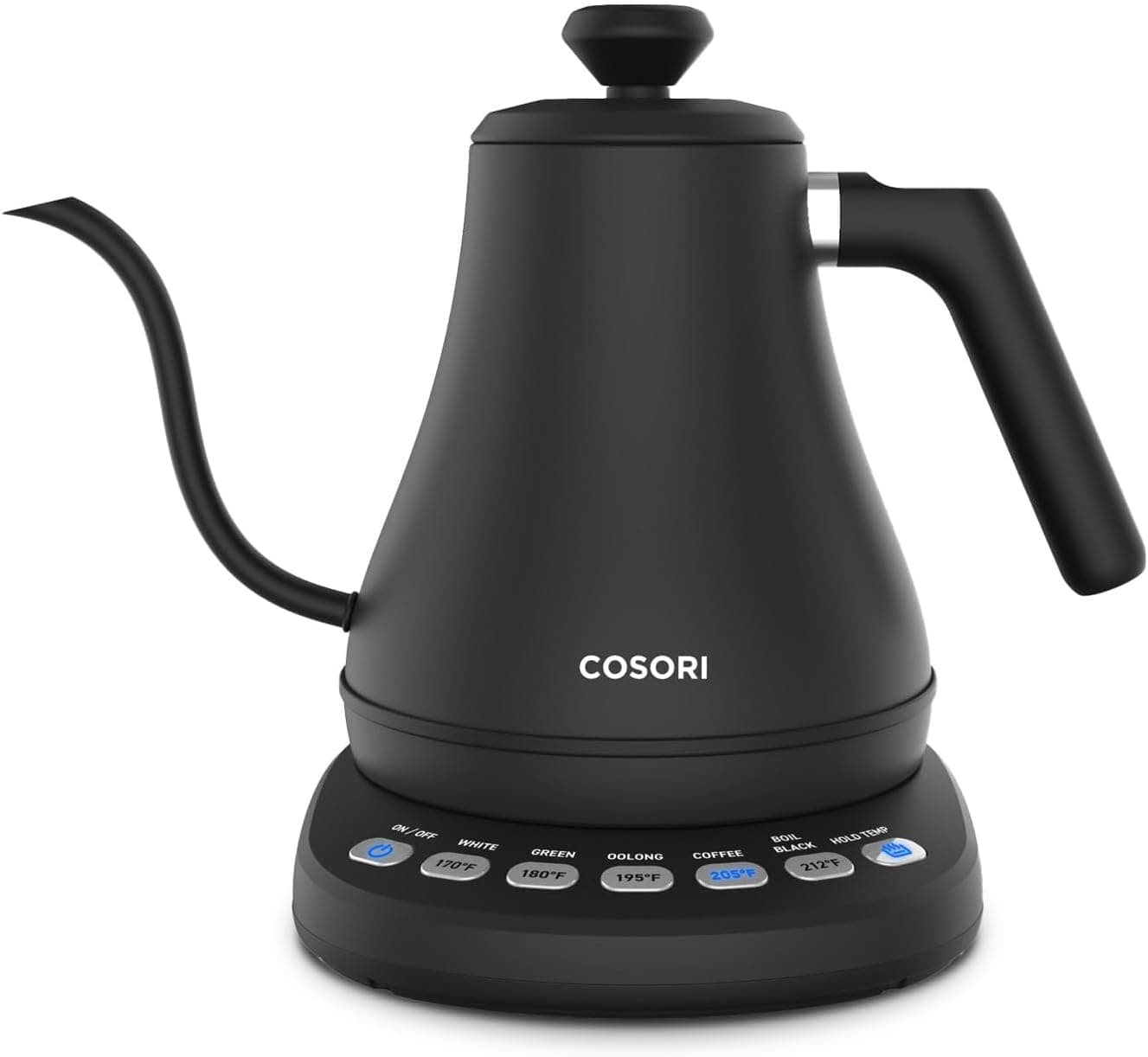
+ Temperature control dials in water for green, white and oolong teas
From our guide: Best Electric Tea Kettles
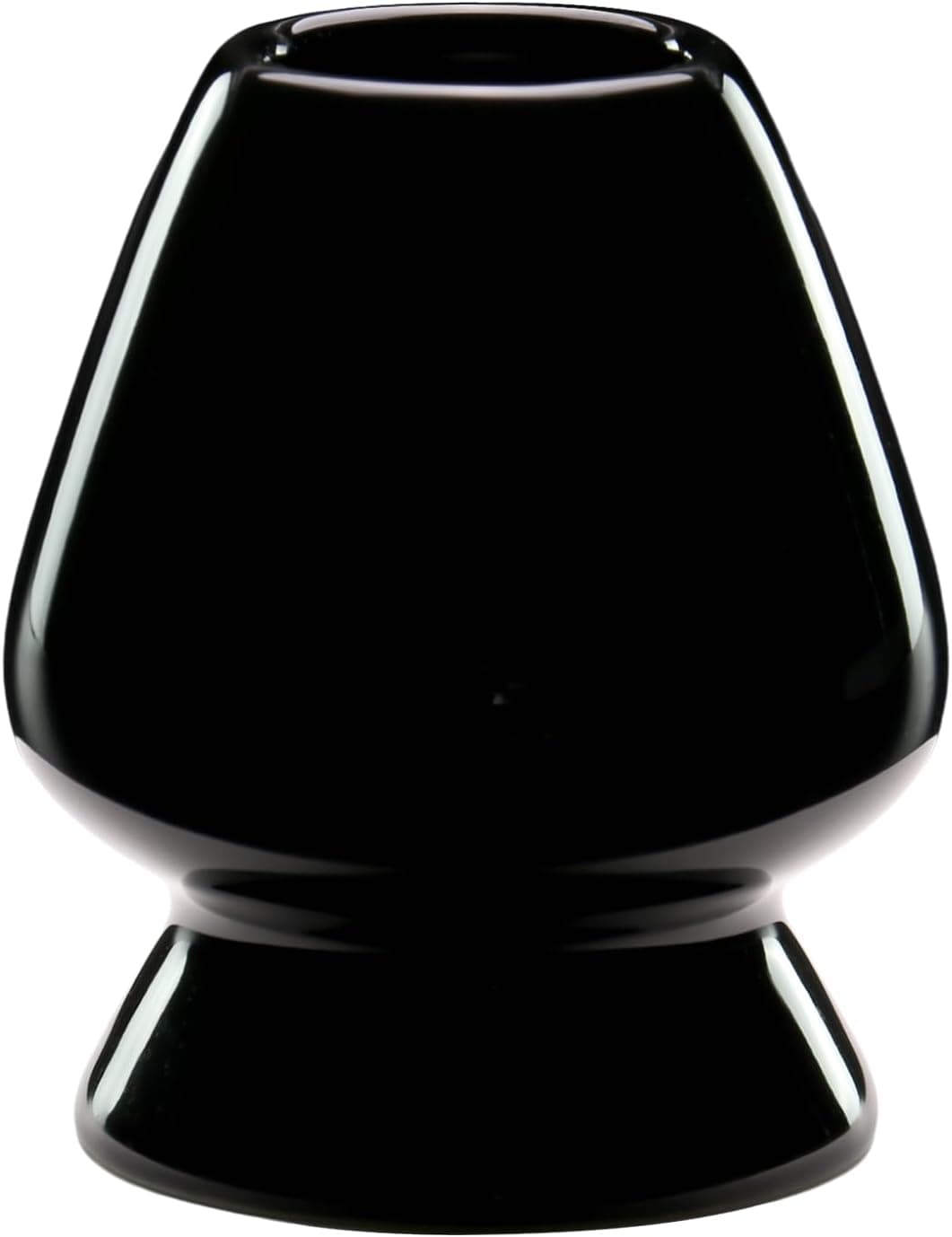
+ Dishwasher Safe holder is easier to clean than hand-wash-only pieces
From our guide: Best Matcha Whisk Holders to Protect Your Chasen
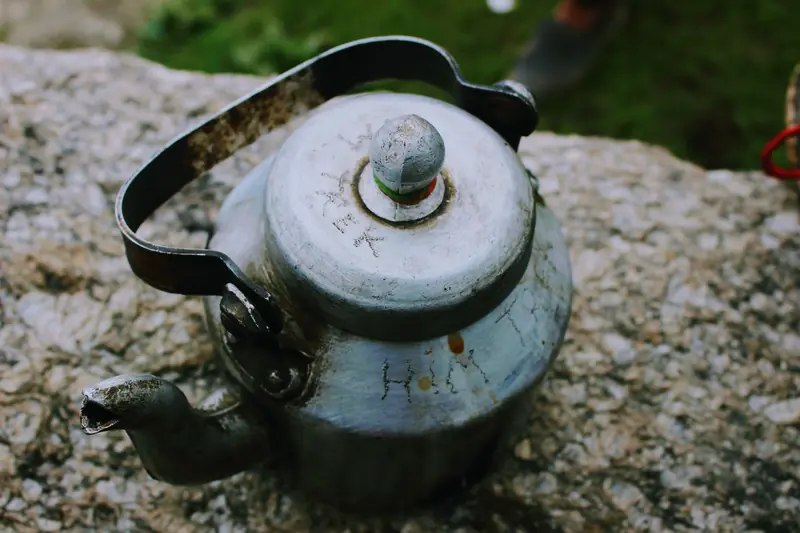
Limescale is mostly calcium carbonate, and it builds up faster the harder your water is. If you live in a hard-water area, you may notice flakes floating in your tea, a film on the surface of the water, or your kettle taking longer to boil. These are all signs it is time to descale. Even in soft-water areas, scale accumulates gradually and benefits from occasional attention.
The most common home remedy is white vinegar. Fill the kettle about halfway with a mixture of equal parts water and white vinegar, bring it to a boil, then switch it off and let it sit for twenty to thirty minutes so the acid can dissolve the mineral deposits. For heavy buildup, you can leave it longer or repeat the process. The acidity breaks down the calcium carbonate without harming the kettle.
Citric acid is an excellent alternative that leaves less lingering smell than vinegar. Dissolve a tablespoon or two of citric acid powder in a kettle of water, boil it, and let it stand for the same twenty to thirty minutes. Many people prefer it because it rinses cleaner and is gentle on the kettle's components while still being highly effective on scale.
After the soak, pour out the solution and inspect the interior. Stubborn deposits can be wiped away gently with a soft cloth or a non-abrasive sponge, but avoid metal scourers that can scratch and damage the heating element or coating. Once the visible scale is gone, the most important step is rinsing.
Rinse thoroughly, several times, and then boil a full kettle of fresh water and discard it entirely before making any tea. This flushes out any residual vinegar or citric acid so your first proper cup does not taste sour. If you can still detect a faint smell, boil and discard one more time until the water is neutral.
How often you descale depends on your water and usage, but once a month is a reasonable routine in hard-water areas, and every few months elsewhere. To slow buildup between cleanings, empty the kettle after use rather than leaving standing water, and consider using filtered water. A clean, scale-free kettle not only lasts longer but also gives you the neutral, fresh-tasting water that good tea deserves.
Popular right now
- Best Tea Storage TinsBuying guide
- Tea-to-water ratio explainedGlossary
- Best Electric Tea KettlesBuying guide
- Best Glass Electric KettlesBuying guide
- Best Matcha Bowls: Chawan Picks for WhiskingBuying guide
- Best Tea ScoopsBuying guide
Based on the last 28 days of search and visitor data.