Gaiwan vs Teapot
Published How we research

A gaiwan is a small lidded bowl ideal for gongfu brewing, offering remarkable control and versatility since neutral porcelain never retains flavor between different teas. A teapot excels at convenience and volume, holding heat better for larger batches shared over time. Gaiwans have a steeper learning curve since you grip the hot bowl to pour, while teapots with a handle and spout are immediately intuitive. Gaiwans are also easier to clean, coming apart into two simple pieces. Many tea drinkers own both, choosing a gaiwan for control and an intimate session, a teapot for relaxing with a larger batch. When you move beyond teabags, one of the first choices you face is what to brew in. Two of the most common vessels are the gaiwan, a lidded bowl from the Chinese tradition, and the familiar Western teapot. Both make excellent tea, but they suit different styles, and knowing their strengths helps you pick the right tool.
Products from this article
The highest-scoring picks from the buying guides this article links to. Scores are our editorial assessment, not customer ratings.
+ Borosil is a known glassware maker, so the carafe glass is its specialty
From our guide: Best Glass Electric Kettles
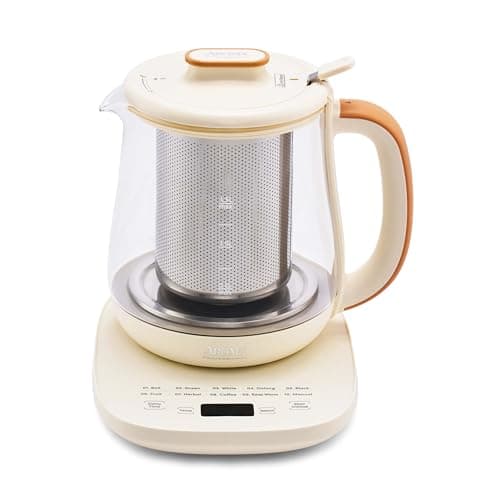
+ Ten presets cover green, white, oolong, black, fruit and herbal tea, plus rapid boil at 212 F and keep warm
From our guide: Best Glass Electric Kettles
+ SpeedBoil Tech and 1500W power get water hot quickly in the morning
From our guide: Best Glass Electric Kettles
+ Blue LED glow shows the kettle is on and makes the boil easy to watch
From our guide: Best Glass Electric Kettles



A gaiwan is the classic tool for gongfu brewing
A gaiwan is a small, lidded cup, usually holding around 100 to 150 milliliters, used to steep leaves and then pour off the liquor while the lid holds the leaves back. It is the classic tool for gongfu brewing, where you make many short, concentrated steeps from one portion of leaf. Its simplicity is deceptive: it offers remarkable control once you get comfortable with it.
The biggest advantage of the gaiwan is versatility
The biggest advantage of the gaiwan is versatility and feedback. Because it is a neutral porcelain bowl, it never retains flavor, so you can brew a green tea, then an oolong, then a black tea in the same vessel. The open shape also lets you see the leaves, smell the aroma directly from the lid, and judge exactly when to pour, which teaches you a great deal about each tea.
A teapot excels at convenience and volume
A teapot, by contrast, excels at convenience and volume. If you want to brew a larger amount to share or to sip over a longer stretch, a pot lets you make several cups in one go without constant attention. Pots also hold heat better than an open gaiwan, which matters for black and herbal teas that want to stay hot throughout a longer steep.
There is a learning curve difference too
There is a learning curve difference too. A gaiwan takes a little practice to handle, since you grip the hot bowl and lid together to pour, and beginners sometimes fumble or burn their fingers at first. A teapot with a handle and spout is immediately intuitive, which makes it the friendlier starting point for someone new to loose leaf.
Cleaning and maintenance also differ
Cleaning and maintenance also differ. A gaiwan comes apart into two simple pieces that rinse in seconds, with no narrow spout to scrub. Teapots, especially those with built-in strainers or intricate spouts, can trap leaves and take more effort to clean thoroughly, though a removable basket infuser eases this considerably.
Many dedicated tea drinkers end up owning both
Many dedicated tea drinkers end up owning both and reaching for each depending on the moment. Choose a gaiwan when you want control, versatility, and an intimate multi-steep session with fine leaf; choose a teapot when you want to relax, make a larger batch, and keep it warm. Neither is objectively better; the right one is simply the one that fits how you like to drink.
Frequently asked questions
What is a gaiwan used for? A gaiwan is a small, lidded cup used to steep leaves and pour off the liquor while the lid holds the leaves back, and it's the classic tool for gongfu brewing with many short, concentrated steeps.
Is a gaiwan or teapot easier for beginners? A teapot with a handle and spout is immediately intuitive, making it the friendlier starting point, while a gaiwan takes practice since you grip the hot bowl and lid together to pour.
Why is a gaiwan more versatile than a teapot? Because it's a neutral porcelain bowl that never retains flavor, so you can brew a green tea, then an oolong, then a black tea in the same vessel without cross-contamination.
Which is easier to clean, a gaiwan or a teapot? A gaiwan, since it comes apart into two simple pieces that rinse in seconds with no narrow spout to scrub, while teapots with strainers or intricate spouts take more effort.
At a glance: Gaiwan vs Teapot
| Gaiwan | Teapot | |
|---|---|---|
| Brewing style | Gongfu, many short infusions | Western, one longer steep |
| Capacity | Small, about 100-150 ml | Larger, often 500 ml or more |
| Flavour control | High, adjust each infusion | Moderate |
| Ease of use | Takes practice to pour without burns | Easy |
| Cleaning | Very easy, glazed and open | Easy with a removable infuser |
| Best teas | Oolong, pu-erh, high-quality green and white | Black tea, herbal, everyday blends |
Choose Gaiwan if
- You want to explore premium teas
- You enjoy a slow tea ritual
- You drink small cups through the day
Choose Teapot if
- You want big mugs of tea
- You brew for several people
- You prefer simplicity
Bottom line: A glazed gaiwan is the most versatile tool for tasting fine teas. A teapot with an infuser is the easier choice for everyday cups and sharing.
Popular right now
- Best Tea Storage TinsBuying guide
- Descaling a KettleArticle
- Tea-to-water ratio explainedGlossary
- Best Electric Tea KettlesBuying guide
- Best Glass Electric KettlesBuying guide
- Best Matcha Bowls: Chawan Picks for WhiskingBuying guide
Based on the last 28 days of search and visitor data.