Caffeine in Tea
Published How we research
A typical cup of tea contains less caffeine than coffee, roughly 20-60mg versus 80-120mg, though the exact amount varies widely. Plant type, growing conditions, and which part of the plant was harvested all affect caffeine content, and black tea doesn't reliably contain more than green. Brewing method has a large, controllable effect: hotter water, longer steeps, and more leaf all increase caffeine. A quick rinse does not meaningfully remove caffeine, contrary to popular belief. Herbal teas are naturally caffeine-free. L-theanine in tea leaves smooths out caffeine's stimulation, giving tea a calmer, steadier energy than coffee. Caffeine is one of the most common questions tea drinkers have, and the answer is more nuanced than most charts suggest. Tea does contain caffeine, since it comes from a plant that naturally produces it, but the amount in your cup depends on many factors. Understanding them helps you manage your intake and choose teas that suit your day.
Products from this article
The highest-scoring picks from the buying guides this article links to. Scores are our editorial assessment, not customer ratings.
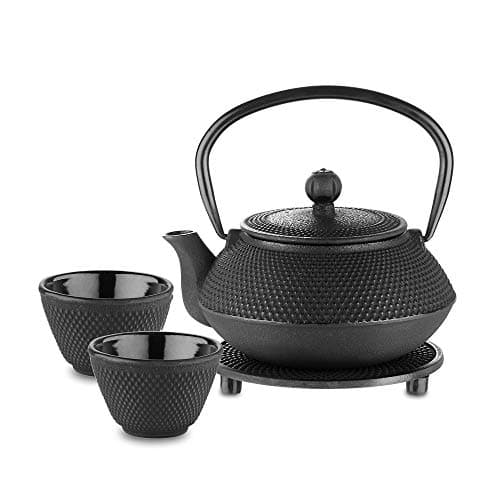
+ Set of 8 is ideal for hosting tea parties or showers
From our guide: Best Gifts for Tea Lovers
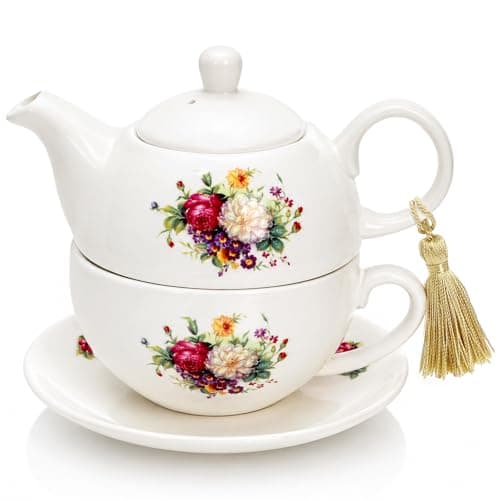
+ Complete single-serving set: 16 oz teapot, 12 oz cup and saucer, so one purchase covers a full personal tea setup.
From our guide: Best Tea For One Sets
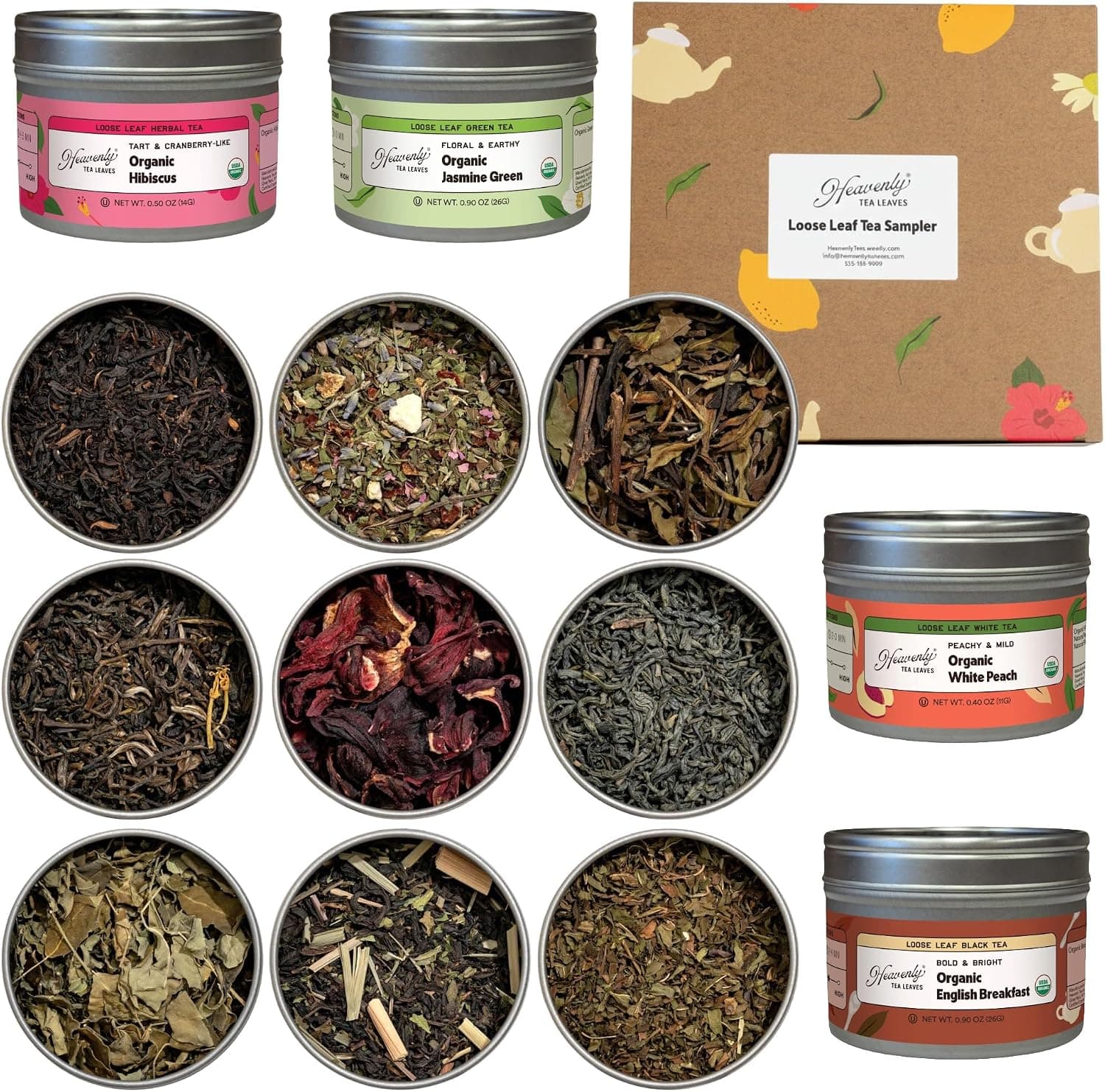
+ 9 Flavor Variety Pack covers a wide range of teas and tisanes
From our guide: Best Tea Sampler Sets to Explore New Flavors
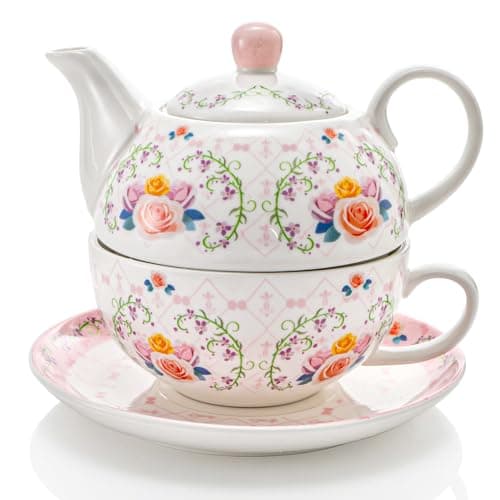
+ Listing states lead-free porcelain with no metallic trim, so the set is microwave and dishwasher safe.
From our guide: Best Tea For One Sets


Tea generally contains less caffeine than coffee
As a rough guide, a typical cup of tea contains less caffeine than a cup of coffee, often somewhere between a third and a half as much. A standard eight-ounce cup of brewed tea might contain roughly 20 to 60 milligrams of caffeine, compared with 80 to 120 milligrams in a similar cup of coffee. But these are averages, and the real number varies widely from cup to cup.
Several factors drive that variation
Several factors drive that variation. The type of tea plant, where and how it was grown, and which part of the plant was harvested all matter, with buds and young leaves generally containing more caffeine than older leaves. Processing plays a role too, though not in the simple way many assume. The popular belief that black tea always has more caffeine than green is unreliable.
How you brew has a large, controllable effect
How you brew has a large and controllable effect. Hotter water and longer steep times extract more caffeine, so a black tea steeped five minutes in boiling water will yield more than a green tea steeped two minutes in cooler water. Using more leaf per cup also increases caffeine. This means you have real influence over your cup's strength simply by adjusting temperature, time, and leaf quantity.
A common myth about rinsing away caffeine
A common myth is that a short first steep removes most of the caffeine, letting you rinse it away. In reality, caffeine extracts steadily over the full steep rather than all at once, so a quick fifteen-second rinse removes only a small fraction. If you are highly caffeine-sensitive, choosing naturally lower-caffeine teas or genuinely decaffeinated options is more effective than trying to rinse it out.
Herbal teas are the reliable choice for zero caffeine
Herbal teas are the reliable choice for avoiding caffeine entirely. Because tisanes like chamomile, peppermint, rooibos, and fruit blends are not made from the tea plant, they are naturally caffeine-free unless blended with actual tea. They are ideal for the evening or for anyone reducing their intake without giving up a warm, flavorful drink.
L-theanine makes tea's energy feel different
What makes tea's caffeine feel different from coffee's is the presence of L-theanine, an amino acid found in tea leaves. L-theanine promotes a sense of calm focus and appears to smooth out the stimulation of caffeine, which is why many people describe tea's energy as steadier and less jittery than coffee's. So while tea generally offers a gentler lift, the exact amount in your cup comes down to the leaf you choose and how you brew it.
Frequently asked questions
How much caffeine is in a cup of tea compared to coffee? A standard eight-ounce cup of brewed tea contains roughly 20 to 60 milligrams of caffeine, compared with 80 to 120 milligrams in a similar cup of coffee.
Does black tea always have more caffeine than green tea? No, the popular belief that black tea always has more caffeine than green is unreliable; factors like plant type and which part of the plant was harvested matter more.
Does rinsing tea leaves remove the caffeine? Not effectively. Caffeine extracts steadily over the full steep rather than all at once, so a quick fifteen-second rinse removes only a small fraction.
Why does tea's caffeine feel different from coffee's? L-theanine, an amino acid found in tea leaves, promotes calm focus and smooths out caffeine's stimulation, which is why tea's energy feels steadier and less jittery than coffee's.
Popular right now
- Best Tea Storage TinsBuying guide
- Descaling a KettleArticle
- Tea-to-water ratio explainedGlossary
- Best Electric Tea KettlesBuying guide
- Best Glass Electric KettlesBuying guide
- Best Matcha Bowls: Chawan Picks for WhiskingBuying guide
Based on the last 28 days of search and visitor data.