Chai From Scratch
Published How we research

Masala chai starts with a robust black tea like Assam that can stand up to spices and milk. Use whole spices, cardamom, cinnamon, ginger, cloves, and peppercorns, lightly crushed to release oils, rather than pre-ground powder. Simmer the crushed spices in water for several minutes to infuse deeply, then add tea and milk, continuing to heat without boiling over for a creamy body. Sweeten with sugar or honey while it simmers so it melds fully. Strain to remove leaves and spices before pouring, and adjust the spice blend, tea strength, milk ratio, and sweetness to your own taste. Masala chai is a spiced, milky tea with roots in South Asia, and making it from scratch at home is far more rewarding than any powdered mix or syrup. The word chai simply means tea, and masala refers to the spice blend, so masala chai is spiced tea. Building it from whole ingredients gives you a fragrant, warming drink you can tailor exactly to your taste.
Products from this article
The highest-scoring picks from the buying guides this article links to. Scores are our editorial assessment, not customer ratings.
+ 50 Cups/3.53oz labeling makes it easy to plan servings
From our guide: Best Chai Tea: Spiced Blends for Rich Lattes
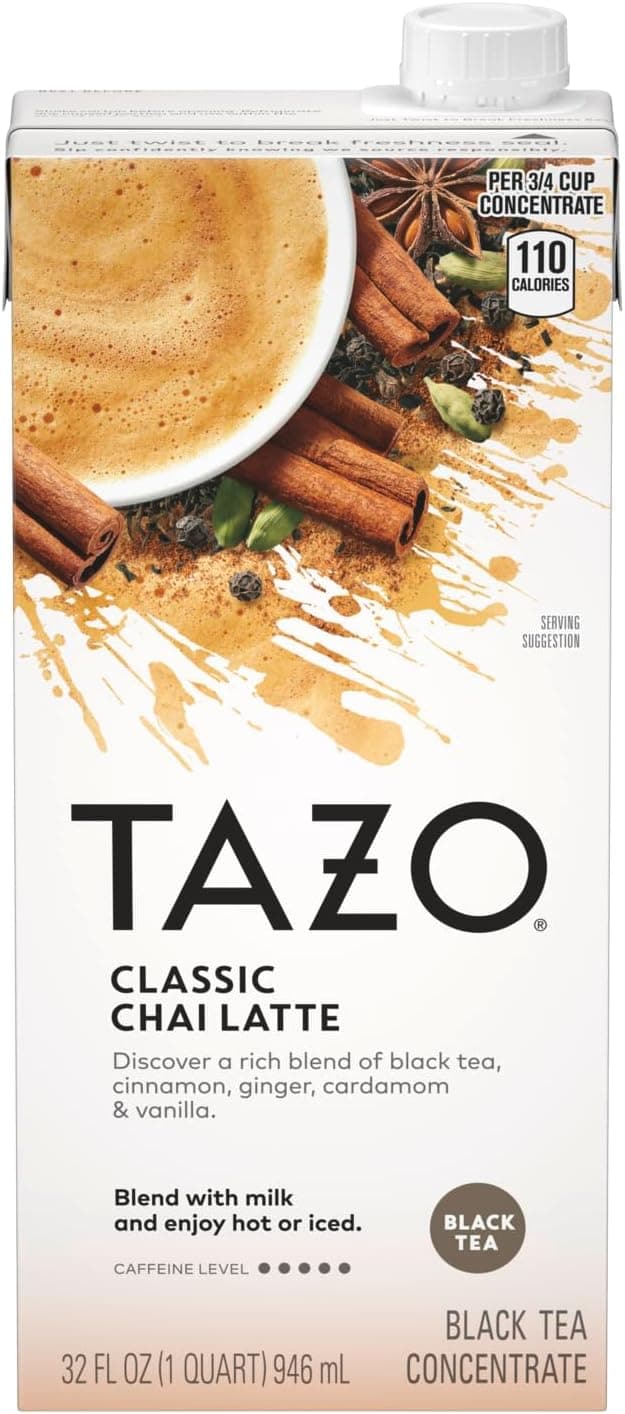
+ TAZO chai is a familiar cafe-style flavor many people know
From our guide: Best Tea Concentrates
+ Cardamom, Cinnamon, Ginger are listed, so you know the spice mix
From our guide: Best Chai Tea: Spiced Blends for Rich Lattes
+ Unsweetened concentrate lets you control sugar or skip it
From our guide: Best Tea Concentrates


The foundation is a robust black tea
The foundation is a robust black tea. A strong, malty tea such as an Assam stands up best to the spices and milk, since more delicate teas would be overwhelmed. Loose black tea works well, and you want enough of it to give the finished chai real backbone. This bold base is what carries the spices and keeps the drink from tasting thin.
The spices are where chai comes alive
The spices are where chai comes alive, and using whole spices rather than pre-ground powder makes a noticeable difference. A classic blend includes cardamom, cinnamon, ginger, cloves, and black peppercorns, though recipes vary widely by family and region. Fresh ginger adds warmth and a little bite, while cardamom brings the aromatic sweetness many consider the signature note of good chai. Lightly crushing the whole spices helps release their oils.
The traditional method is to simmer rather than steep
The traditional method is to simmer rather than merely steep. Bring water to a boil with the crushed spices and let them simmer for several minutes so their flavors infuse deeply into the liquid. This gentle extraction is what separates real chai from tea with a sprinkle of spice, drawing out the full aromatic depth that makes the drink so comforting.
Next comes the tea and the milk
Next comes the tea and the milk. Add the black tea to the simmering spiced water and let it brew, then pour in milk and continue to heat, watching closely so it does not boil over. Simmering the tea in the milk-and-water mixture gives chai its characteristic creamy body. The ratio of milk to water is a matter of preference, with more milk yielding a richer, more indulgent cup.
Sweetener is traditional and helps balance the spices
Sweetener is traditional and helps balance the spices. Sugar is common, though many use honey or other sweeteners, and the amount is entirely up to you. Add it while the chai simmers so it dissolves fully and melds with the spices. A properly sweetened chai has a rounded, harmonious flavor where no single element dominates.
Strain and adjust to make it your own
Once everything has simmered together and the color and aroma look right, strain the chai to remove the leaves and whole spices, and pour it hot. The beauty of making chai from scratch is total control: adjust the spice blend, the strength of the tea, the amount of milk, and the sweetness until it matches your ideal. Start with a balanced base recipe, then make it your own, and you will never reach for an instant mix again.
Frequently asked questions
What black tea is best for making chai? A strong, malty tea such as Assam stands up best to the spices and milk, since more delicate teas would be overwhelmed and the drink would taste thin.
Should chai spices be whole or ground? Whole spices, lightly crushed to release their oils, make a noticeable difference over pre-ground powder, with a classic blend including cardamom, cinnamon, ginger, cloves, and peppercorns.
Why is chai simmered instead of just steeped? Simmering the crushed spices in water for several minutes allows deep infusion, which separates real chai from tea with a sprinkle of spice and draws out full aromatic depth.
When should you add milk when making chai from scratch? After the spices have simmered and the black tea has been added and brewed, then pour in milk and continue heating without boiling over, which gives chai its creamy body.
Popular right now
- Best Tea Storage TinsBuying guide
- Descaling a KettleArticle
- Tea-to-water ratio explainedGlossary
- Best Electric Tea KettlesBuying guide
- Best Glass Electric KettlesBuying guide
- Best Matcha Bowls: Chawan Picks for WhiskingBuying guide
Based on the last 28 days of search and visitor data.