Choosing a Teapot
Published How we research
A teapot is often the centerpiece of a home tea setup, but choosing one involves more than looks. The material, size, and internal design all affect how your tea brews and how easy the pot is to live with day to day. Understanding the trade-offs helps you buy once rather than accumulating pots that disappoint.
Products from this article
The highest-scoring picks from the buying guides this article links to. Scores are our editorial assessment, not customer ratings.
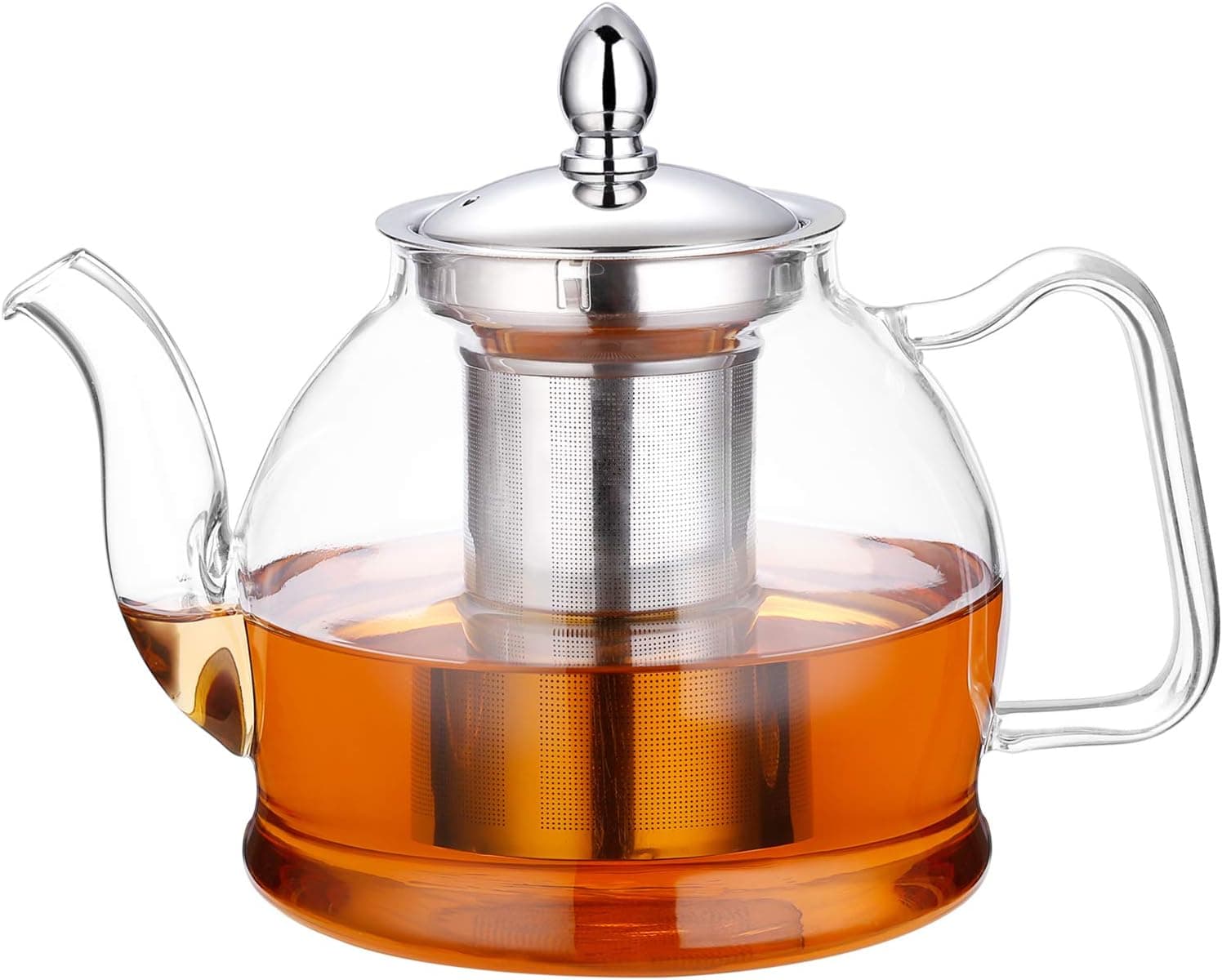
+ Stovetop safe glass lets you heat water and brew in the same vessel
From our guide: Best Teapots With Infuser
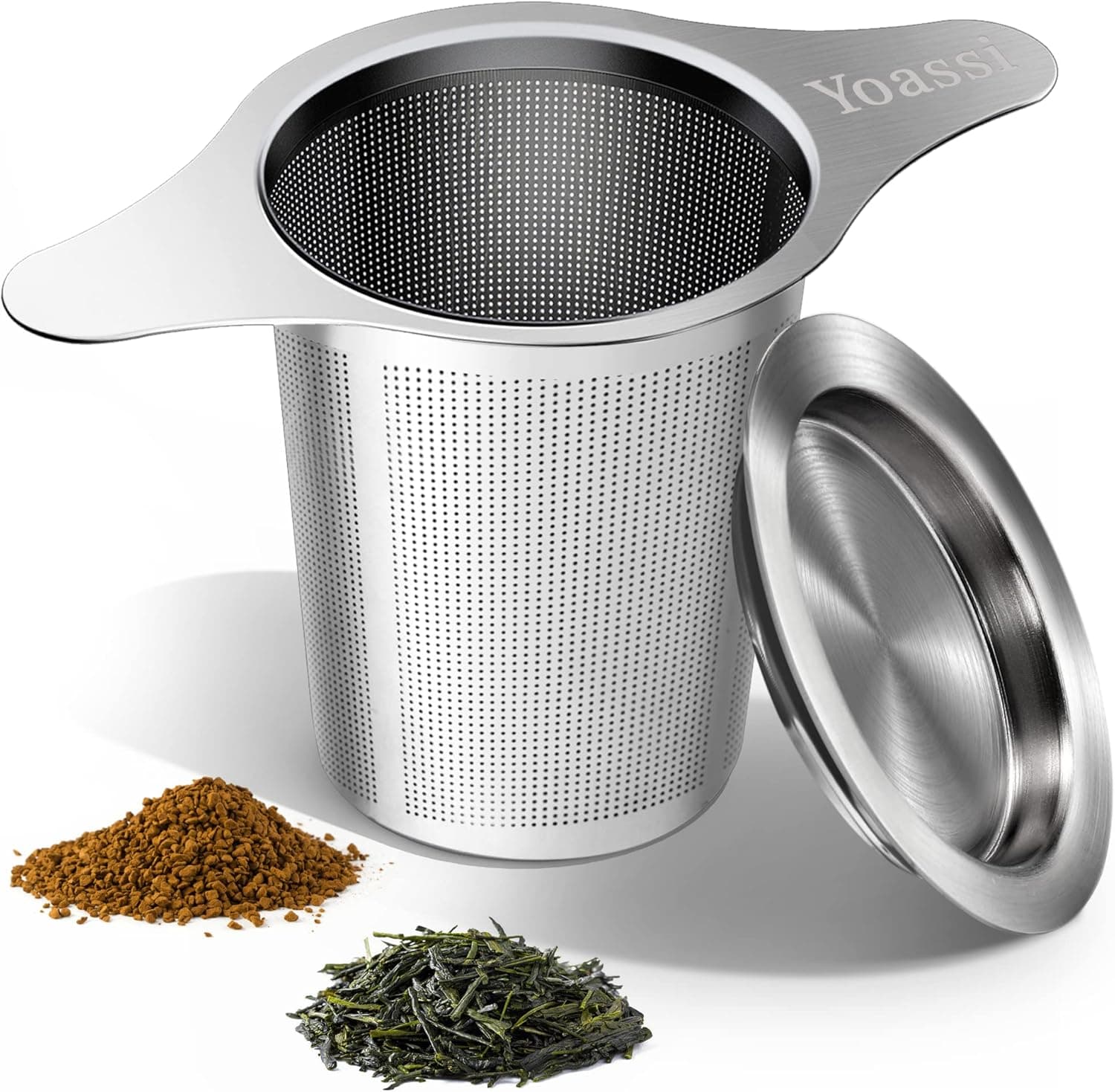
+ Double handles rest securely on most mug and teacup rims
From our guide: Best Loose Leaf Tea Essentials
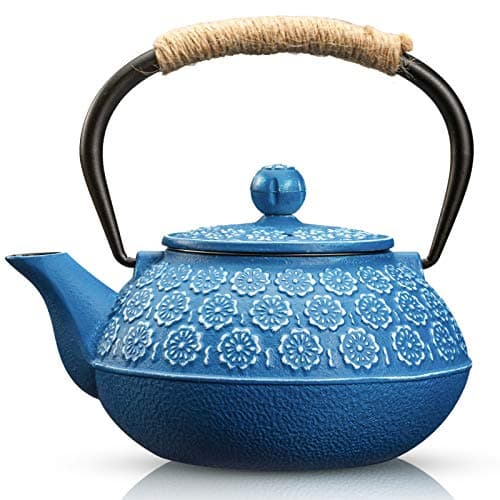
+ Listed at 30 oz (900 ml) with a stainless steel infuser that keeps loose leaves out of the cup, a fit for a small group.
From our guide: Best Cast Iron Teapots
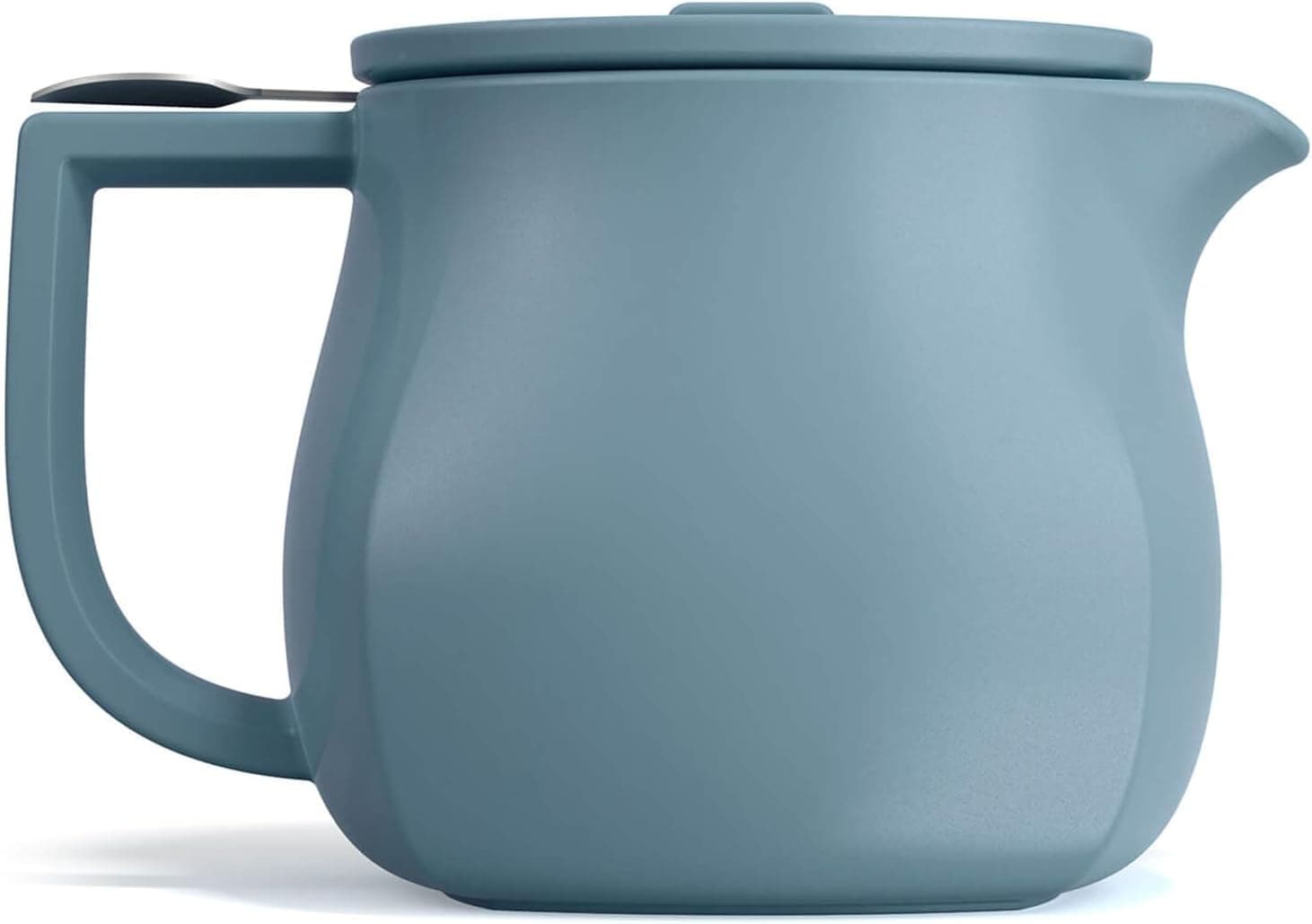
+ Stainless infuser basket gives leaves room to expand for fuller flavor
From our guide: Best Teapots With Infuser
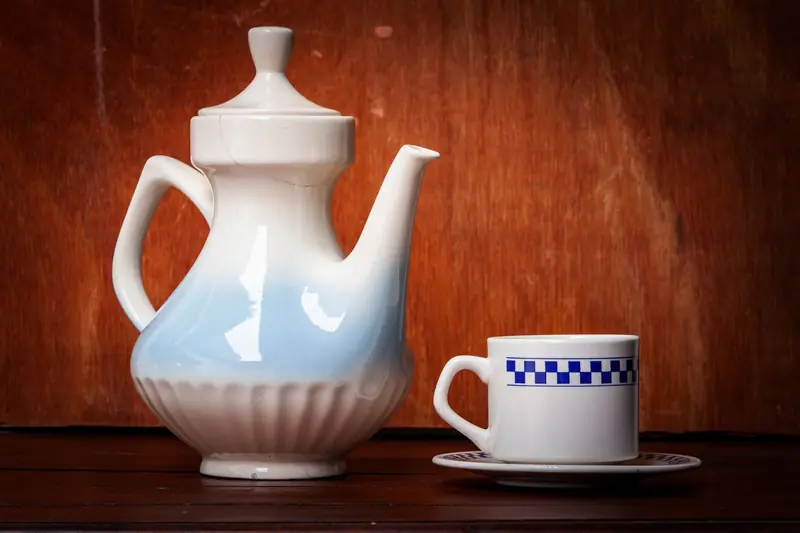
Material is the first big decision. Ceramic and porcelain are the most versatile choices, neutral in flavor and suitable for nearly any tea, which makes them ideal if you drink a variety. Glass pots offer the same neutrality with the bonus of watching the leaves unfurl and the liquor develop color, which is both practical and pleasant.
Clay teapots, especially Yixing clay from China, are a more specialized option. Unglazed clay is porous and gradually absorbs the character of the tea brewed in it, which means a single clay pot should be dedicated to one type of tea. Devotees prize the way a seasoned clay pot rounds out and deepens flavor over years of use, but it asks for commitment.
Cast iron teapots, often lined with enamel, retain heat exceptionally well and make a striking presence on the table. The enamel lining is important because it prevents rust and keeps the iron from affecting flavor. These pots are heavy and better suited to serving several cups of robust black or herbal tea than to delicate solo brewing.
Size should match how you actually drink. A large pot looks generous but leaves tea sitting and over-steeping if you brew more than you can drink promptly. For one or two people, a pot in the 350 to 600 milliliter range is practical, while a small 150 milliliter pot suits concentrated, multi-steep sessions with premium leaf.
The internal infuser design determines how well your loose leaf can breathe. Look for a pot with a wide, roomy strainer built into the spout or a large removable basket, not a cramped little cage. Leaves need space to expand and circulate, and a generous infuser directly improves extraction and flavor.
Finally, do not ignore the everyday practicalities. A well-balanced pot pours cleanly without dribbling, has a comfortable handle that stays cool enough to hold, and comes apart easily for cleaning. Test the pour if you can, and choose something you will enjoy using every day, because the best teapot is the one that makes brewing feel effortless rather than a chore.
Popular right now
- Best Tea Storage TinsBuying guide
- Descaling a KettleArticle
- Tea-to-water ratio explainedGlossary
- Best Electric Tea KettlesBuying guide
- Best Glass Electric KettlesBuying guide
- Best Matcha Bowls: Chawan Picks for WhiskingBuying guide
Based on the last 28 days of search and visitor data.