Common Tea Brewing Mistakes and How to Fix Them
Published How we research
Even seasoned tea drinkers fall into habits that quietly undermine their cup. Most brewing problems come down to a handful of common mistakes, and the good news is that each one has a simple fix. Recognizing these errors is the fastest way to turn a mediocre brew into a consistently excellent one.
Products from this article
The highest-scoring picks from the buying guides this article links to. Scores are our editorial assessment, not customer ratings.
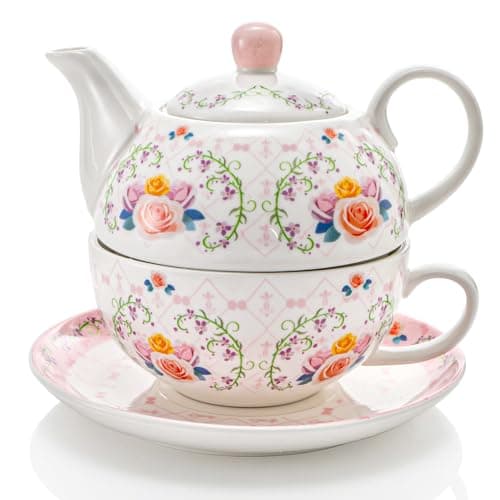
+ Complete single-serving set: 16 oz teapot, 12 oz cup and saucer, so one purchase covers a full personal tea setup.
From our guide: Best Tea For One Sets
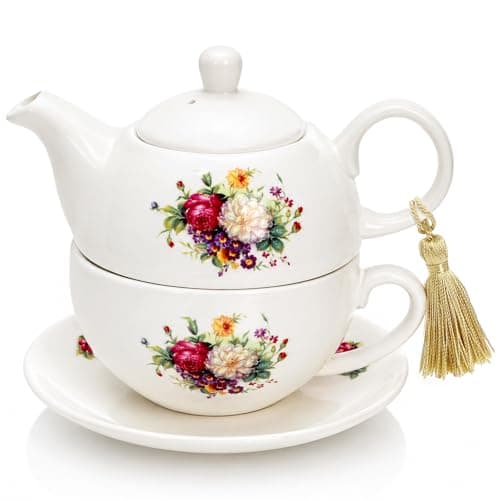
+ Listing states lead-free porcelain with no metallic trim, so the set is microwave and dishwasher safe.
From our guide: Best Tea For One Sets
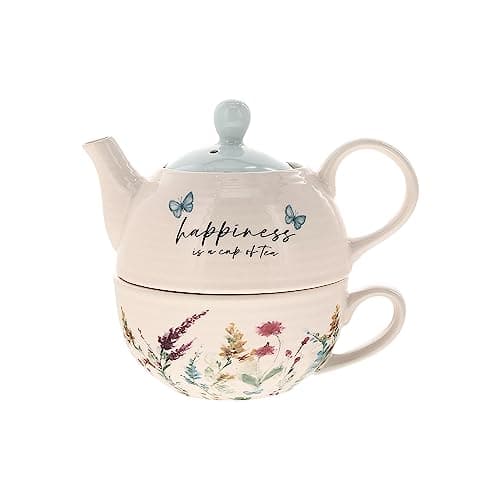
+ Stackable 3 piece design nests the lidded teapot on the cup, which keeps the set compact between uses.
From our guide: Best Tea For One Sets
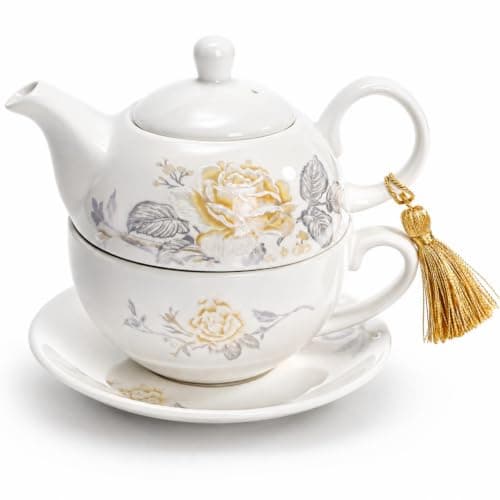
+ Includes a 15 oz teapot, 12 oz cup and saucer, a roomy size for one person who wants a second cup.
From our guide: Best Tea For One Sets
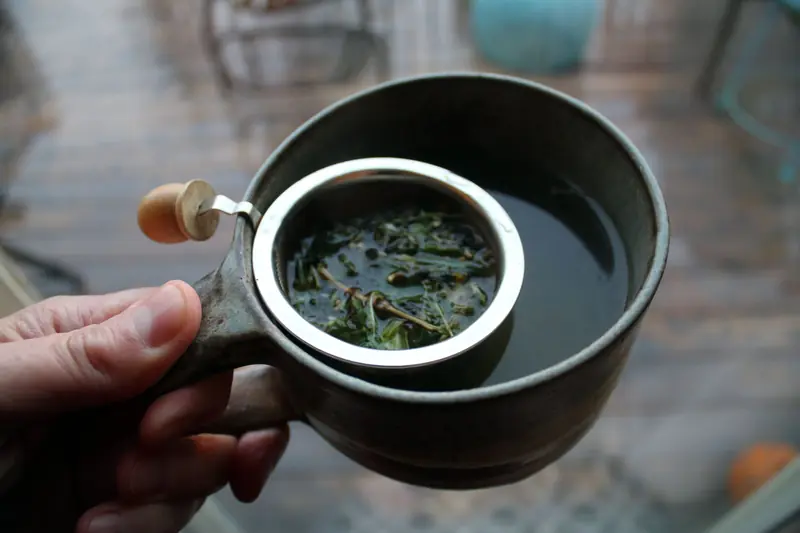
The most frequent mistake is using water that is too hot for the tea. Pouring boiling water over delicate green and white teas scorches the leaves and releases harsh, bitter tannins, which is why so many people wrongly believe they dislike green tea. The fix is to match the temperature to the tea, using cooler water around 160 to 175 degrees for greens and reserving a full boil for black and herbal teas.
Over-steeping runs a close second. Leaving the leaves in too long extracts excessive tannins and turns even a good tea bitter and astringent. Many people simply forget about their brewing tea and let it sit far too long. The remedy is to use a timer and to remove the leaves promptly when the target time is reached, rather than letting them linger in the cup.
A less obvious mistake is crowding the leaves in a tiny infuser. When loose leaf is stuffed into a small mesh ball, the leaves cannot expand or circulate, and the water cannot reach all of them, resulting in a weak, uneven brew. Give the leaves room by using a roomy basket infuser, a teapot with a large strainer, or steeping loose and filtering afterward, so the leaves can unfurl fully.
Getting the leaf-to-water ratio wrong is another common error, in both directions. Using too little leaf yields a thin, watery cup, while using too much can make the tea overpowering or bitter. Starting with about one teaspoon per cup and adjusting to taste solves this. Measuring with a spoon or a small scale brings welcome consistency once you find your preferred strength.
Many people also neglect their water quality and their equipment. Brewing with hard, heavily mineralized tap water can dull flavor and leave a film, and a kettle caked in limescale affects taste too. Using filtered water and descaling your kettle regularly are easy upgrades that improve every cup you make, yet they are frequently overlooked in favor of focusing only on the leaves.
Finally, a subtle waste rather than a flaw: throwing out quality loose leaf after a single steep. Good whole-leaf teas, especially oolong and pu-erh, can be re-steeped several times, each infusion revealing new flavor. Discarding them after one cup misses much of what you paid for. Add a little time to each subsequent steep and pour again.
None of these fixes is complicated. Mind your water temperature, time your steeps, give the leaves room, measure your leaf, tend to your water and kettle, and re-steep good leaves. Correct these common mistakes and you will notice an immediate, lasting improvement in the quality and consistency of your tea.
Popular right now
- Best Tea Storage TinsBuying guide
- Descaling a KettleArticle
- Tea-to-water ratio explainedGlossary
- Best Electric Tea KettlesBuying guide
- Best Glass Electric KettlesBuying guide
- Best Matcha Bowls: Chawan Picks for WhiskingBuying guide
Based on the last 28 days of search and visitor data.