Gongfu Brewing Basics
Published How we research
Gongfu brewing is a Chinese method built around a simple idea: use a lot of leaf in a small vessel and steep it many times for very short periods. Where Western brewing gives you one big mug, gongfu gives you a series of small, concentrated cups that evolve from steep to steep. It sounds fussy, but the core technique is easy to learn and endlessly rewarding.
Products from this article
The highest-scoring picks from the buying guides this article links to. Scores are our editorial assessment, not customer ratings.
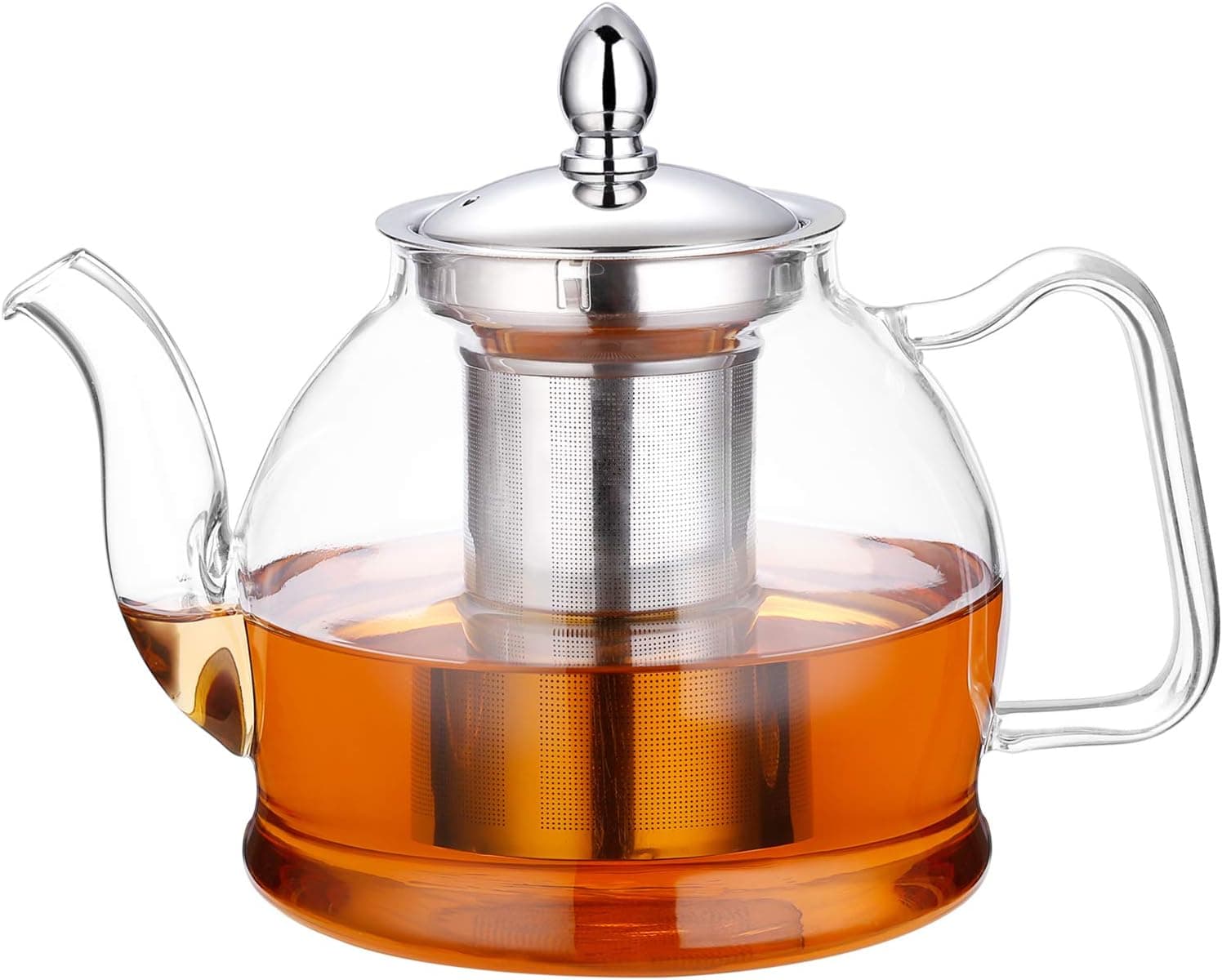
+ Stovetop safe glass lets you heat water and brew in the same vessel
From our guide: Best Teapots With Infuser
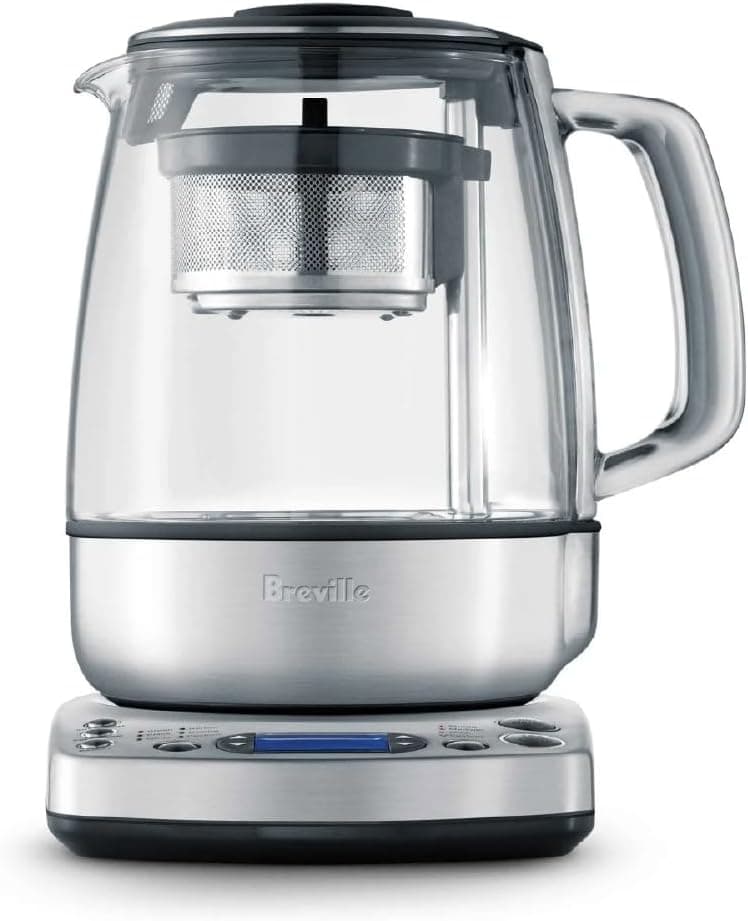
+ One-Touch basket lowers and raises automatically for a timed steep
From our guide: Best Electric Tea Makers
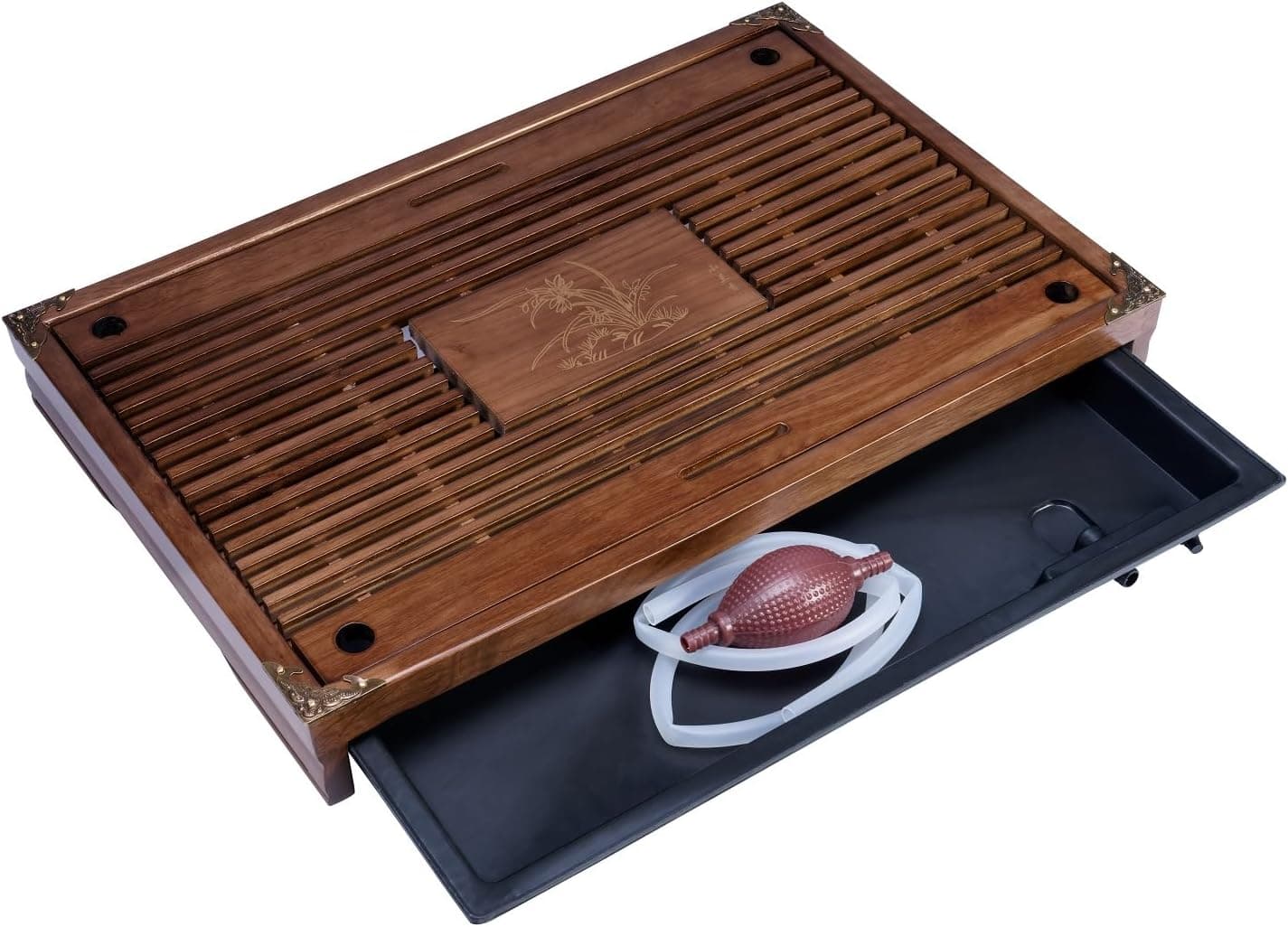
+ Drawer Water Storage catches rinse water during gongfu sessions
From our guide: Best Gongfu Tea Brewing Gear
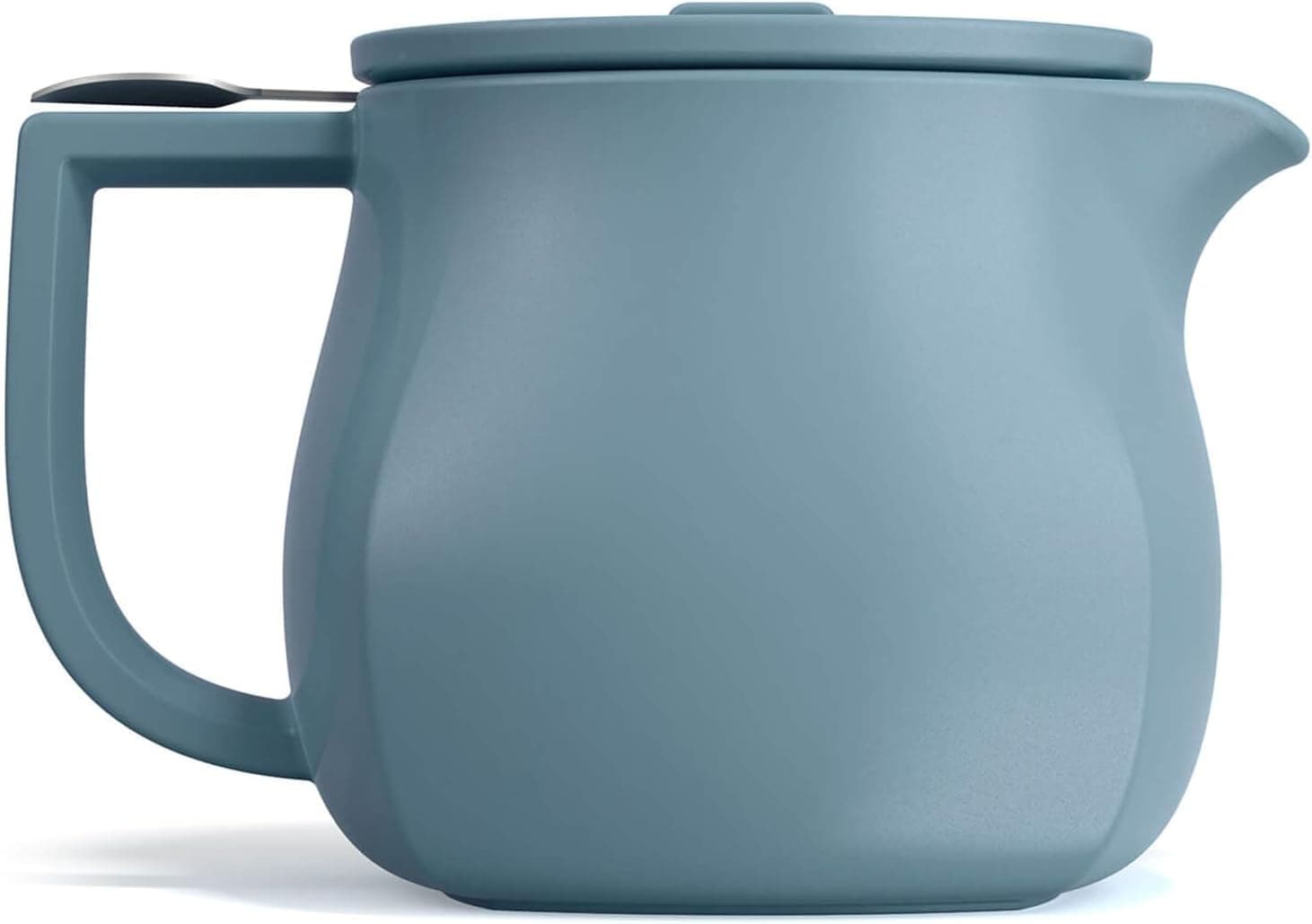
+ Stainless infuser basket gives leaves room to expand for fuller flavor
From our guide: Best Teapots With Infuser
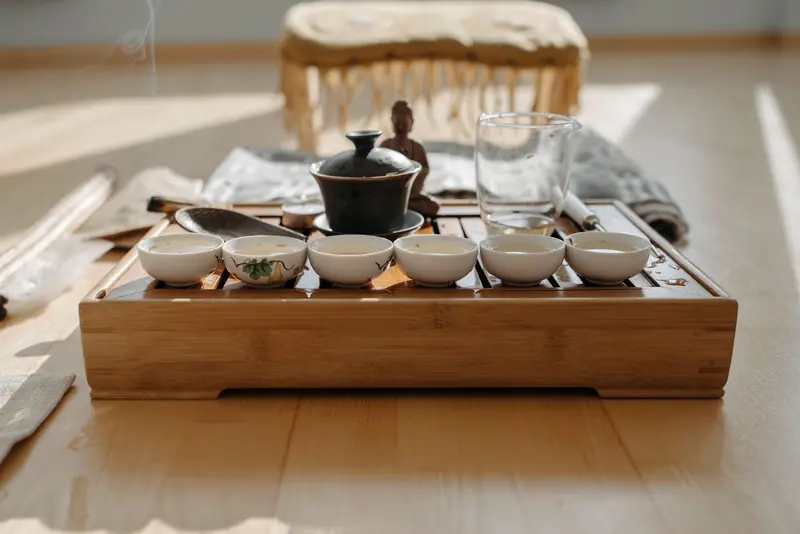
The essential gear is minimal. You need a small brewing vessel, either a gaiwan (a lidded bowl) or a small teapot of around 100 to 150 milliliters, plus a pitcher to decant into and a few small cups. A gaiwan is the most versatile starting point because it is inexpensive, easy to clean, and lets you see and smell the leaves as they open.
The ratio is what sets gongfu apart. Instead of one teaspoon per cup, you fill roughly a fifth of the vessel with dry leaf, which is far more than Western brewing uses. This high concentration is why the steeps are so short. A good starting point is about five grams of leaf for a 100-milliliter gaiwan, adjusted up or down for the tea style.
Most gongfu sessions begin with a quick rinse. Pour hot water over the leaves and immediately discard it, which wakes up rolled or compressed teas and washes away any dust. Then you begin the real steeps: the first might last only ten to twenty seconds, with each subsequent steep adding a few seconds as the leaves give up their flavor more slowly.
Because you steep so many times, a single portion of good leaf can yield six, eight, or even a dozen infusions. The magic is in how the tea changes. Early steeps may be bright and aromatic, the middle ones rich and full, and the later ones soft and sweet. Following this arc is the whole point, and it teaches you more about a tea than any single mug ever could.
Gongfu works best with teas that have complexity to reveal, especially oolong, pu-erh, and quality black and green teas. Tightly rolled oolongs are particularly dramatic, unfurling from small pellets into whole leaves over the course of a session. Cheaper, one-dimensional teas have less to show, so this is where investing in better leaf pays off.
Do not let the ceremony intimidate you. You can practice casual gongfu at a kitchen counter with a gaiwan, a timer on your phone, and a bit of curiosity. Pay attention to how each steep tastes, take notes if you like, and adjust leaf amount and timing to your palate. The method is less about strict rules and more about slowing down and really tasting what is in the cup.
Popular right now
- Best Tea Storage TinsBuying guide
- Descaling a KettleArticle
- Tea-to-water ratio explainedGlossary
- Best Electric Tea KettlesBuying guide
- Best Glass Electric KettlesBuying guide
- Best Matcha Bowls: Chawan Picks for WhiskingBuying guide
Based on the last 28 days of search and visitor data.