How to Read a Tea Label
Published Updated How we research
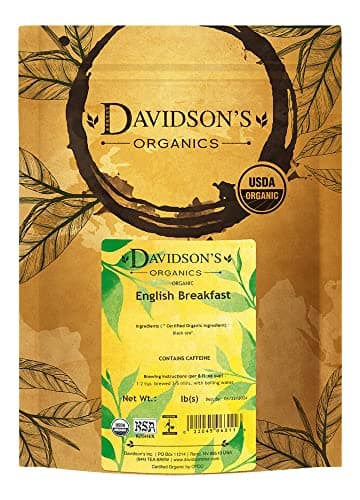
A tea label tells you far more than the name on the front, but the useful parts are rarely the parts printed largest. Once you know which four or five details to look for, you can judge a tea before buying it and brew it correctly the first time instead of guessing at temperature and time.
Products from this article
The highest-scoring picks from the buying guides this article links to. Scores are our editorial assessment, not customer ratings.
+ Listing describes a full-bodied Assam-based black tea with a malty finish, a good fit for milk and sugar
From our guide: Best Organic Loose Leaf Tea: Black, Herbal and Sampler Picks
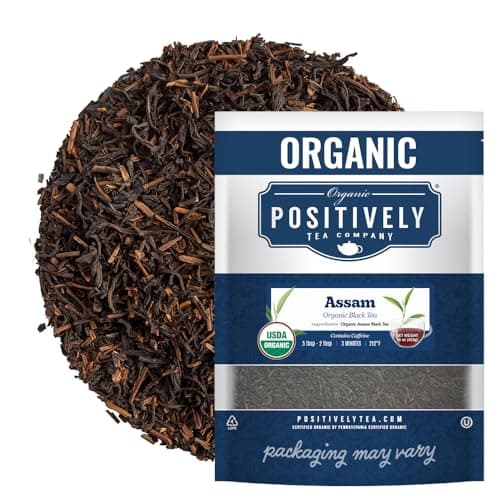
+ Listing states USDA Organic and Non-GMO certification, plus Kosher
From our guide: Best Organic Loose Leaf Tea: Black, Herbal and Sampler Picks
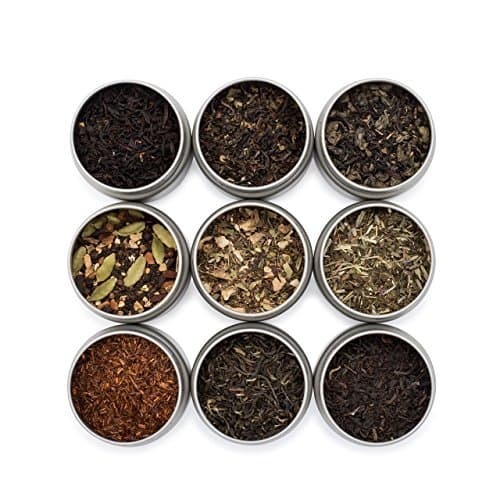
+ Nine different teas across black, green, white and herbal types in one set
From our guide: Best Organic Loose Leaf Tea: Black, Herbal and Sampler Picks
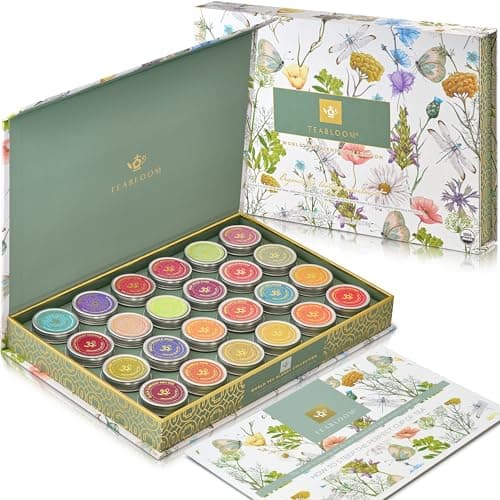
+ 24 organic blends cover every major tea type, from black and green to oolong and herbal
From our guide: Best Organic Loose Leaf Tea: Black, Herbal and Sampler Picks
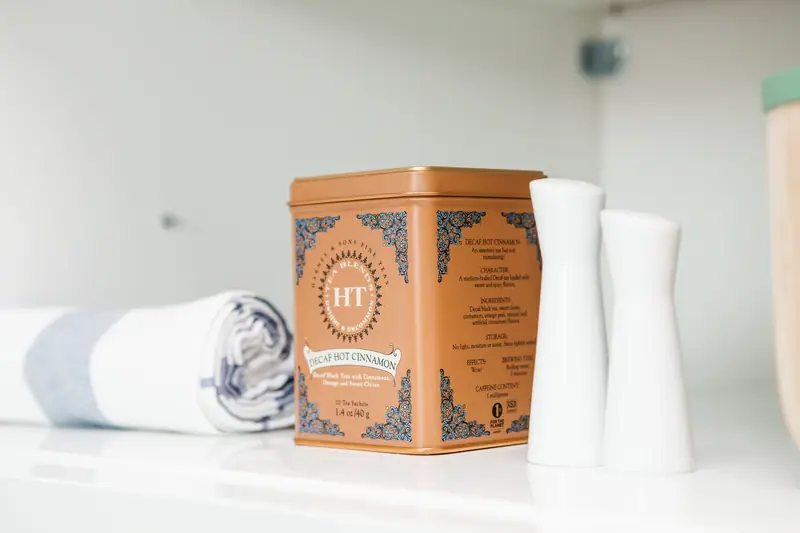
Start with origin, and prefer specific over vague. A label naming a region, a garden, or an estate is telling you the leaf can be traced, which producers only bother with when the leaf is worth tracing. Generic country-level descriptions such as blended Chinese green cover leaf bought on volume from many sources, which is not automatically bad but does mean the character will change between batches without warning.
Look for a harvest date or a season rather than a best-before date. Best-before is a shelf-life guess set by the packer and tells you nothing about age. Harvest information does: green and white teas are at their best within roughly a year of picking and fade noticeably after that, while a first-flush spring pick and an autumn pick from the same garden taste like different teas entirely. If a green tea gives you only a best-before two years out, assume the leaf is not fresh.
Check the cultivar and grade when they are given. Cultivar is the plant variety and it predicts flavour more reliably than price does. Grade terminology varies by region and is easy to over-read, but the distinction that matters is whole leaf versus broken. Whole leaf unfurls slowly and can be re-steeped several times; broken leaf and fannings release everything at once, brew strong and fast, and turn bitter if you treat them like whole leaf.
Read the ingredients list on anything flavoured. Natural flavouring is a legal category, not a quality claim, and a label listing bergamot oil is making a more specific promise than one listing flavouring. If dried fruit or petals appear near the top of the list, a meaningful share of what you are paying for by weight is not tea.
Brewing guidance on the packet is a starting point, not an instruction. Take the temperature seriously, since that is where most teas are ruined, but treat the suggested time as the upper limit for your first attempt and taste early. Packers err long because a weak cup generates more complaints than a bitter one, and a leaf you are unfamiliar with is easier to judge from under-extracted than from over.
Finally, look at the packaging itself as part of the label. Tea degrades from light, air, moisture, and heat, so an opaque, resealable, foil-lined pouch protects the leaf and a clear plastic window does not, however attractive it looks on a shelf. Loose leaf sold from a large open jar has already been exposed to all four, which is fine if the shop turns over stock quickly and a problem if it does not.
What an organic label tells you about tea
In the United States, a USDA Organic seal means the tea was grown and processed under the National Organic Program rules: no synthetic pesticides or fertilizers and no GMOs, verified by a certifier. Wording such as natural, pure or no artificial flavors is not the same thing and carries no certification, so look for the seal or the words certified organic when that matters to you.
Organic status says how the leaf was grown, not how good it tastes. Grade, origin and harvest date still decide the cup, and organic teas range from fine whole-leaf lots to ordinary bulk bags. Organic tea costs somewhat more, so it makes sense to compare by weight and type before buying.
Popular right now
- Best Tea Storage TinsBuying guide
- Descaling a KettleArticle
- Tea-to-water ratio explainedGlossary
- Best Electric Tea KettlesBuying guide
- Best Glass Electric KettlesBuying guide
- Best Matcha Bowls: Chawan Picks for WhiskingBuying guide
Based on the last 28 days of search and visitor data.