How to Store Loose-Leaf Tea to Keep It Fresh
Published How we research
Loose-leaf tea is a dried food, and like any dried food it slowly loses flavor and aroma over time. How you store it makes an enormous difference in how long it stays vibrant. Good storage is not complicated, but it does mean protecting the leaves from four specific enemies: air, light, heat, and moisture.
Products from this article
The highest-scoring picks from the buying guides this article links to. Scores are our editorial assessment, not customer ratings.
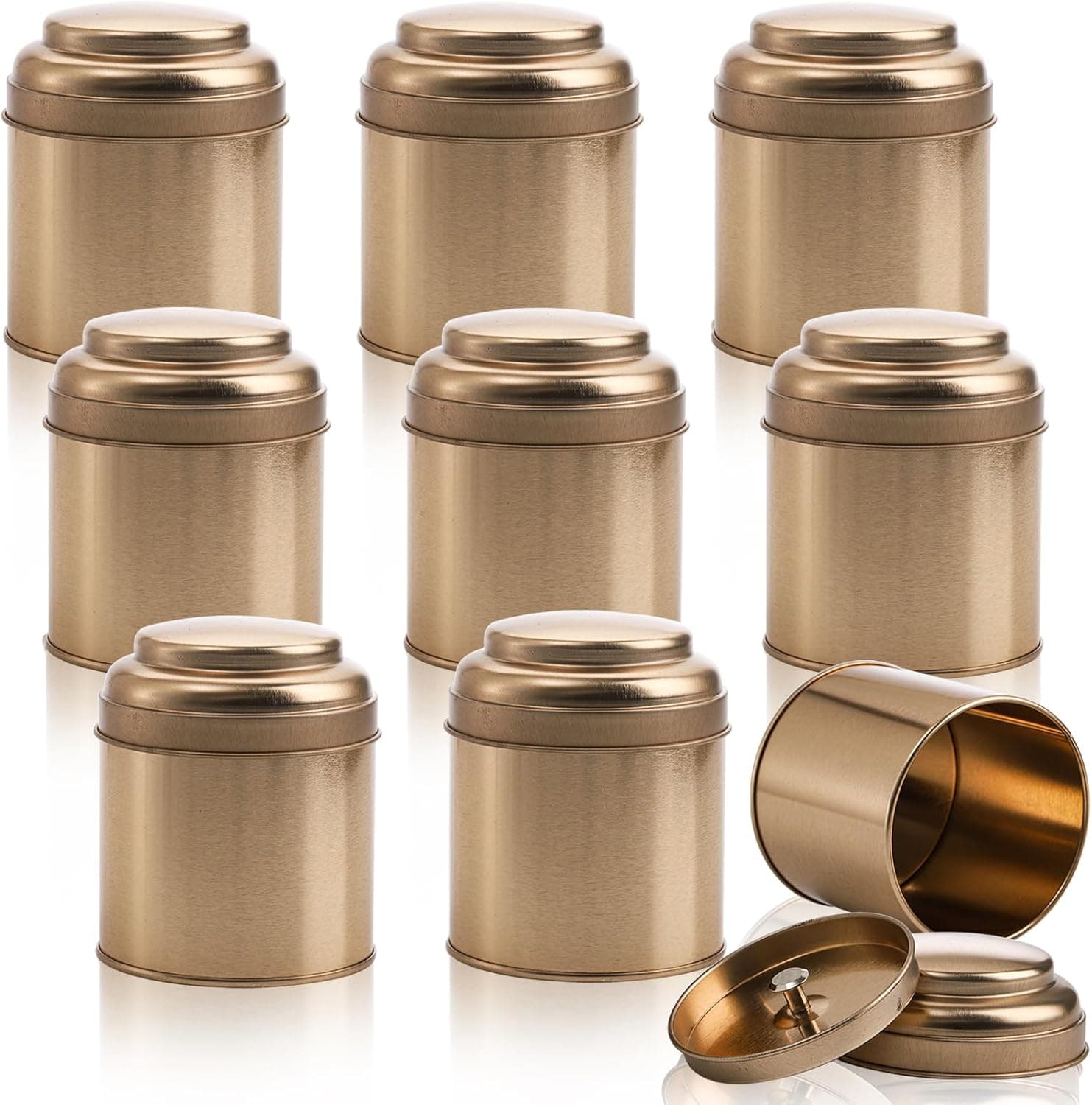
+ 9 Pack gives enough tins for a whole loose leaf collection
From our guide: Best Tea Storage Tins
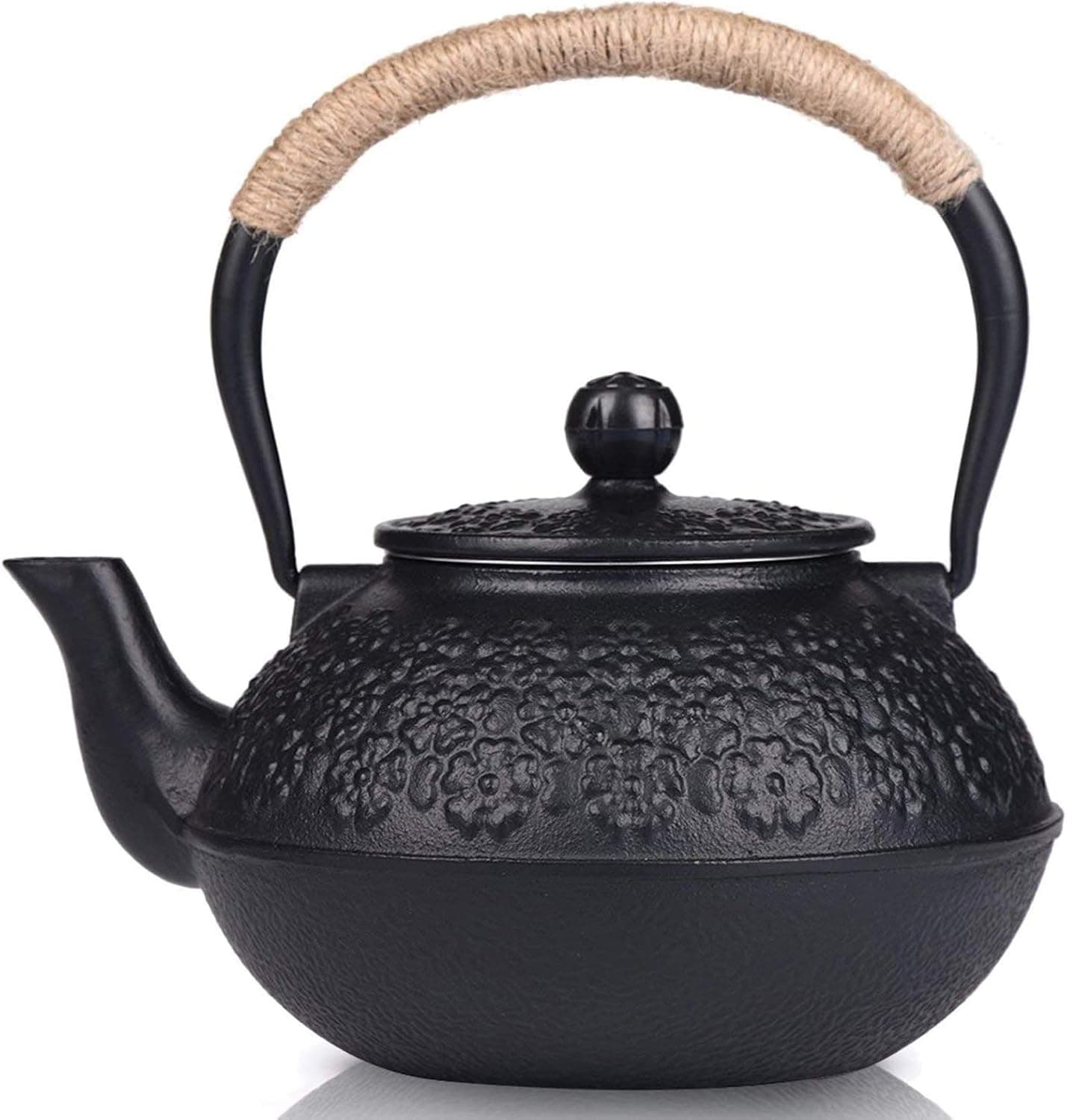
+ Listed at 30 oz (900 ml) with a stainless steel infuser that keeps loose leaves out of the cup, a fit for a small group.
From our guide: Best Cast Iron Teapots
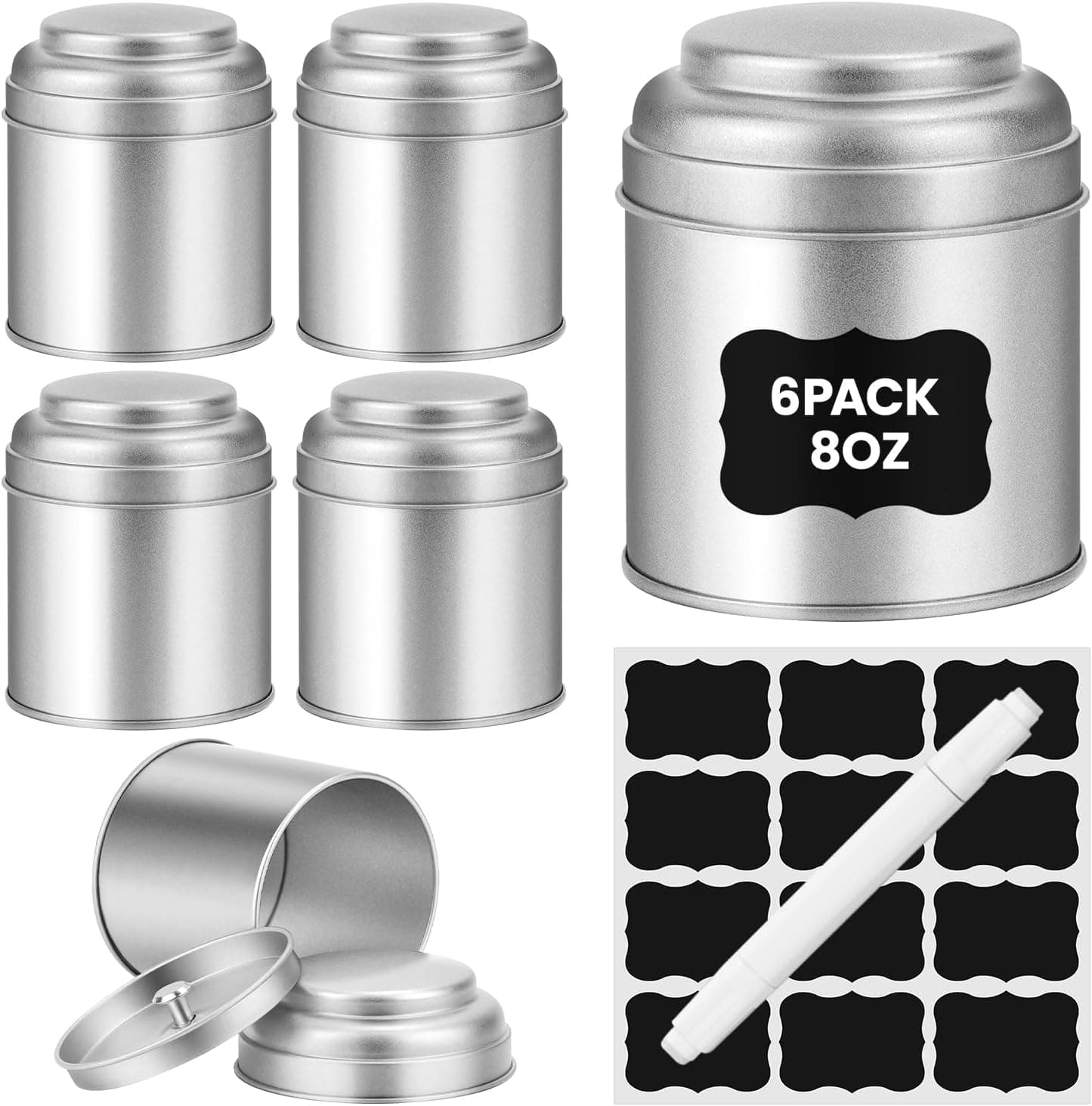
+ Airtight Double Lids provide a strong seal for fresh tea
From our guide: Best Tea Storage Tins
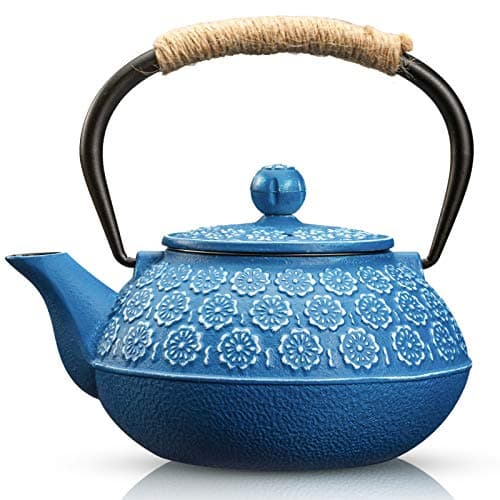
+ 40oz capacity is great for pouring a round of tea for guests
From our guide: Best Cast Iron Teapots
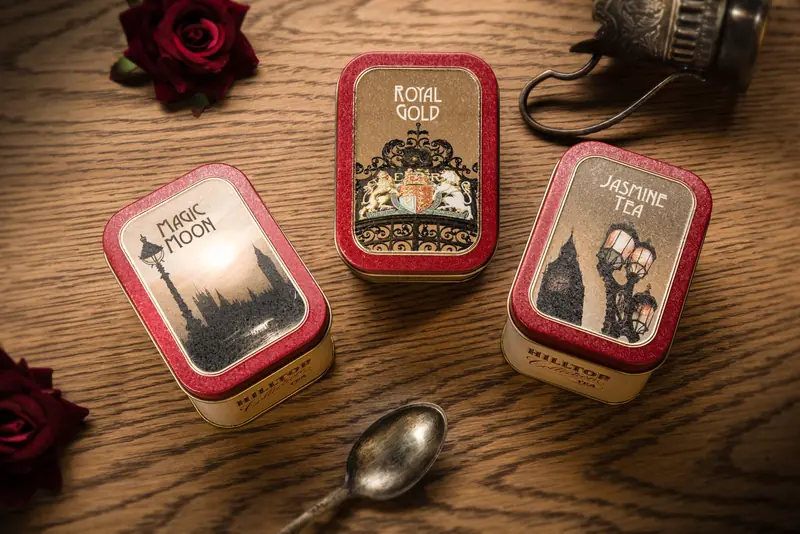
Air and oxygen are the primary culprits. Exposure to air causes the volatile aromatic compounds in tea to fade and the leaves to go stale, much like ground coffee losing its punch. The solution is an airtight container that limits contact with oxygen. Opaque tins with tight-fitting lids, sealed glass jars kept in a dark place, or resealable foil-lined bags all work well.
Light, especially sunlight, degrades tea quickly by breaking down its delicate compounds and bleaching color and flavor. This is why the worst place to keep tea is in a clear glass jar on a sunny counter, however attractive it looks. If you love the look of glass, store it inside a cupboard, or choose opaque ceramic or metal containers that block light entirely.
Heat accelerates staling, so keep tea away from warm spots in the kitchen. The area above the stove, next to the oven, or on top of the refrigerator may be convenient but subjects your tea to heat that drives off aroma. A cool, stable cupboard away from appliances is ideal. Avoid big temperature swings, which can also cause condensation inside the container.
Moisture is particularly damaging because tea leaves are hygroscopic, meaning they readily absorb water from the air. Damp leaves lose flavor fast and can even grow mold. Never store tea near the sink, kettle, or dishwasher where steam collects, and always use a dry spoon to scoop it so you never introduce moisture into the container.
Tea also readily absorbs surrounding odors, which is a separate storage concern. Keep it away from strong-smelling spices, coffee, and cleaning products, and store different aromatic teas in separate sealed containers so a smoky or flavored blend does not taint a delicate green. This is one reason dedicated tea tins are worth the small investment.
As for shelf life, most loose-leaf teas stay at their best for six months to two years depending on the type. Green and white teas are the most perishable and are best enjoyed within a year, while heavily oxidized black teas and aged pu-erh keep far longer. Tea rarely becomes unsafe, but it goes flat, so buy in reasonable quantities you will finish while it is fresh, and label your containers with the purchase date so you know what to drink first.
Popular right now
- Best Tea Storage TinsBuying guide
- Descaling a KettleArticle
- Tea-to-water ratio explainedGlossary
- Best Electric Tea KettlesBuying guide
- Best Glass Electric KettlesBuying guide
- Best Matcha Bowls: Chawan Picks for WhiskingBuying guide
Based on the last 28 days of search and visitor data.