Seasoning a Yixing Clay Teapot
Published How we research
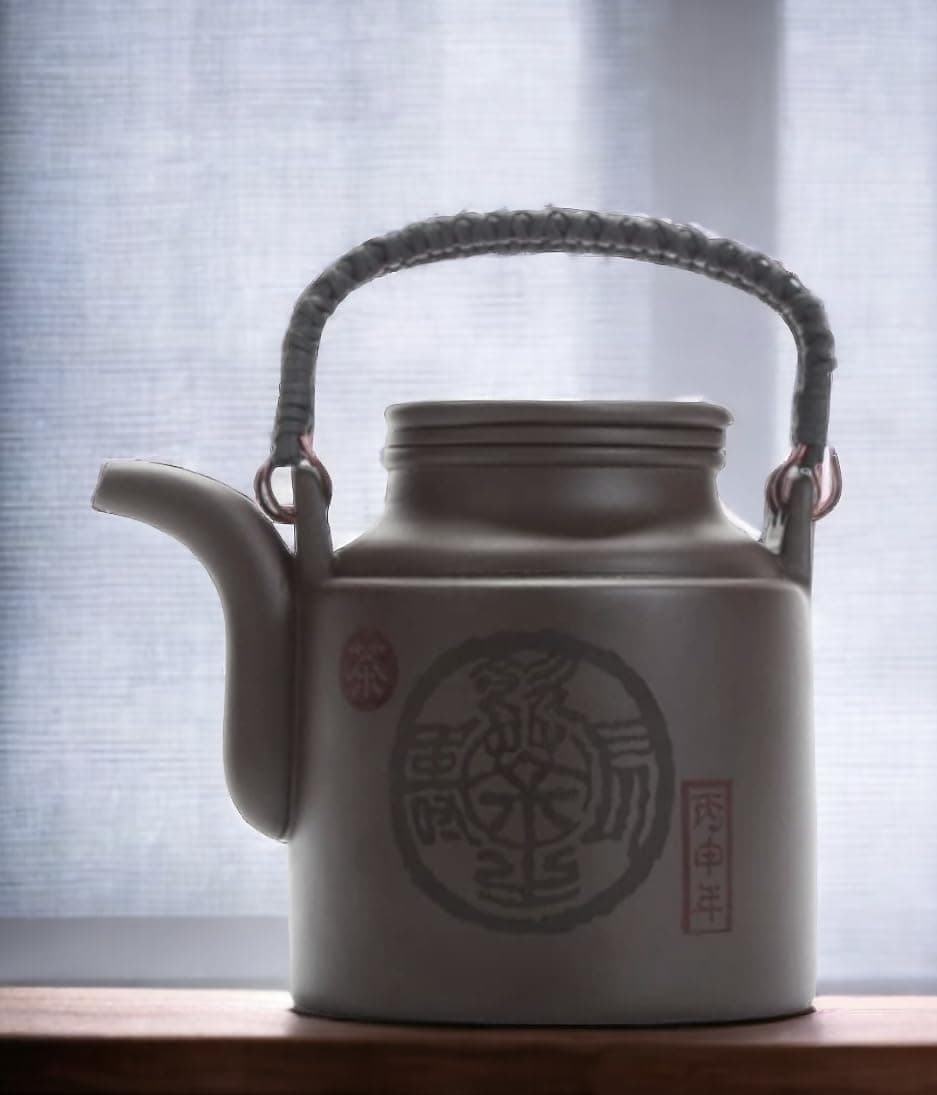
Yixing pots are made from an unglazed, porous clay, and that single fact drives every rule about using them. The clay absorbs oils from the tea you brew, which is why a well-used pot deepens the flavour of the tea it is dedicated to, and why the same property will ruin the pot if you treat it like ordinary crockery.
Products from this article
The highest-scoring picks from the buying guides this article links to. Scores are our editorial assessment, not customer ratings.
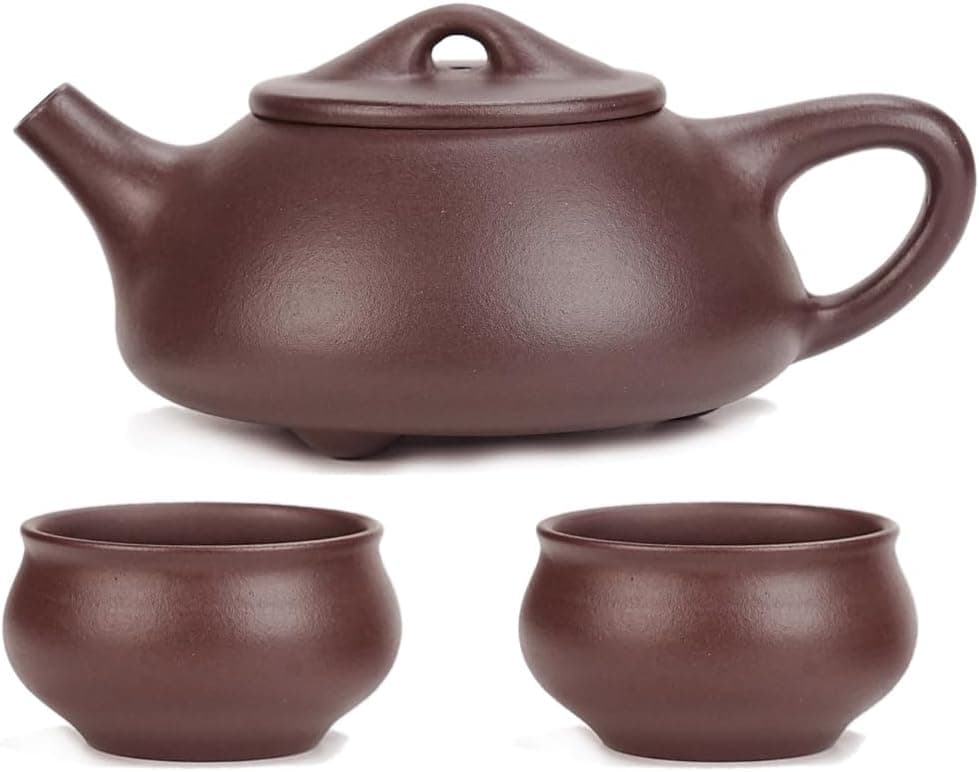
+ 2 Cups are included, so the set is ready for two people straight away
From our guide: Best Yixing Clay Teapots
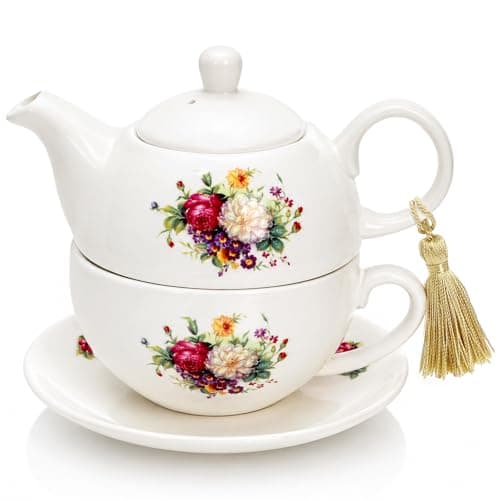
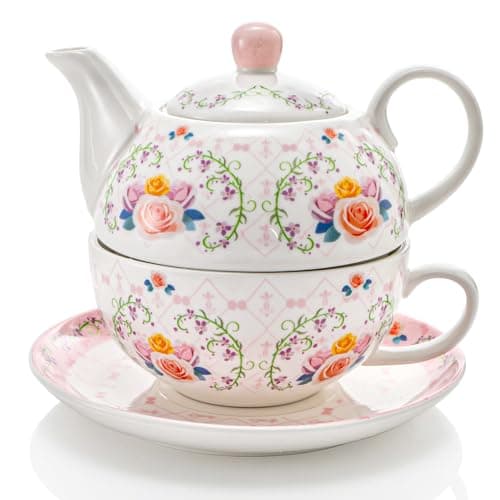
+ Complete single-serving set: 16 oz teapot, 12 oz cup and saucer, so one purchase covers a full personal tea setup.
From our guide: Best Tea For One Sets
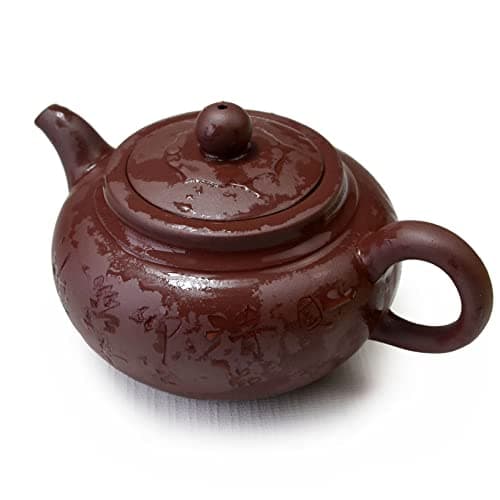
+ Listing states natural red-brown qingshuini clay with hand-carved characters, in the traditional zisha style.
From our guide: Best Yixing Clay Teapots
+ Listing states lead-free porcelain with no metallic trim, so the set is microwave and dishwasher safe.
From our guide: Best Tea For One Sets
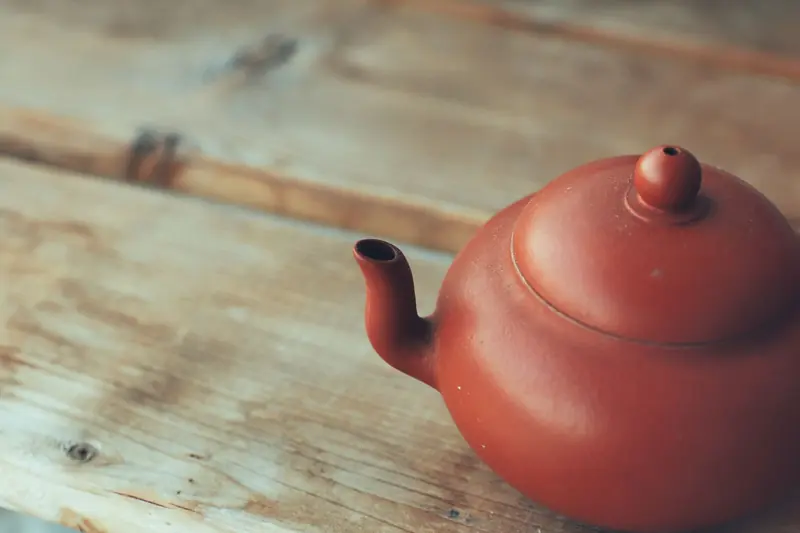
Begin by opening the pot, which simply means cleaning off clay dust from manufacture and letting it expand and settle with heat. Rinse it in hot water, then simmer it gently in a pot of clean water for around twenty minutes, ideally with a handful of the tea leaves you intend to dedicate it to. Let it cool in that water rather than lifting it into cold air, because a sudden temperature change is the most common way a new pot cracks.
Dedicate the pot to one tea type and stick to it. This is the rule people find hardest and it is not superstition: the clay retains oils, so brewing a smoky lapsang and then a delicate green in the same pot gives you a muddled cup of both. Dedicating by broad category is enough for most people, so one pot for aged pu-erh, another for oolong, rather than a separate pot for every tea you own.
Never use soap or detergent. The clay will absorb it and release it into every cup afterwards, and there is no way to reverse it. Rinse the pot with hot water after brewing, tip out the spent leaves promptly rather than letting them sit and sour, and wipe the outside with a soft cloth. Nothing else is needed, because the tannins in tea are themselves mildly antibacterial.
Drying matters more than washing. Leave the lid off and the pot somewhere with air movement until it is completely dry inside, since a sealed damp pot is exactly the environment mould wants. If you use a pot rarely, check inside before brewing rather than assuming it dried weeks ago, and never store it in a closed box while still damp.
The patina builds slowly and honestly. A pot used daily for a year develops a soft sheen on the clay from handling and from the tea itself, and its brewing character mellows in a way regular users notice. Some sellers offer pre-seasoned or artificially darkened pots, which is a cosmetic shortcut that skips the part that actually changes how the pot performs.
One practical caution before buying: genuine Yixing clay is a specific material from a specific place and the market carries a great deal of ordinary stoneware sold under the name. An honest test is thermal behaviour rather than appearance, since real Yixing warms noticeably slower than thin commercial stoneware and holds heat longer. Buy from a seller who names the clay type and can tell you who made the pot, and treat a suspiciously cheap large pot with scepticism.
Popular right now
- Best Tea Storage TinsBuying guide
- Descaling a KettleArticle
- Tea-to-water ratio explainedGlossary
- Best Electric Tea KettlesBuying guide
- Best Glass Electric KettlesBuying guide
- Best Matcha Bowls: Chawan Picks for WhiskingBuying guide
Based on the last 28 days of search and visitor data.