Steep-Time Guide
Published How we research
Green tea wants a short one to three minute steep since its tannins release quickly; black tea is more patient at three to five minutes. White tea and oolong occupy a flexible middle ground, four to five minutes for white and three to five (or short gongfu bursts) for oolong. Herbal teas and tisanes are most forgiving at five to seven minutes or longer since they lack tannins. Pu-erh, after a quick rinse, brews in short thirty-second to few-minute bursts and can be re-steeped many times. Taste as you go and adjust for water temperature and leaf quantity, which both interact with steep time. Steep time controls how much flavor, caffeine, and tannin end up in your cup. Too short and the tea is watery and timid; too long and it turns bitter and drying. Once you know the target window for each tea type, you can brew with confidence and stop relying on guesswork.
Products from this article
The highest-scoring picks from the buying guides this article links to. Scores are our editorial assessment, not customer ratings.
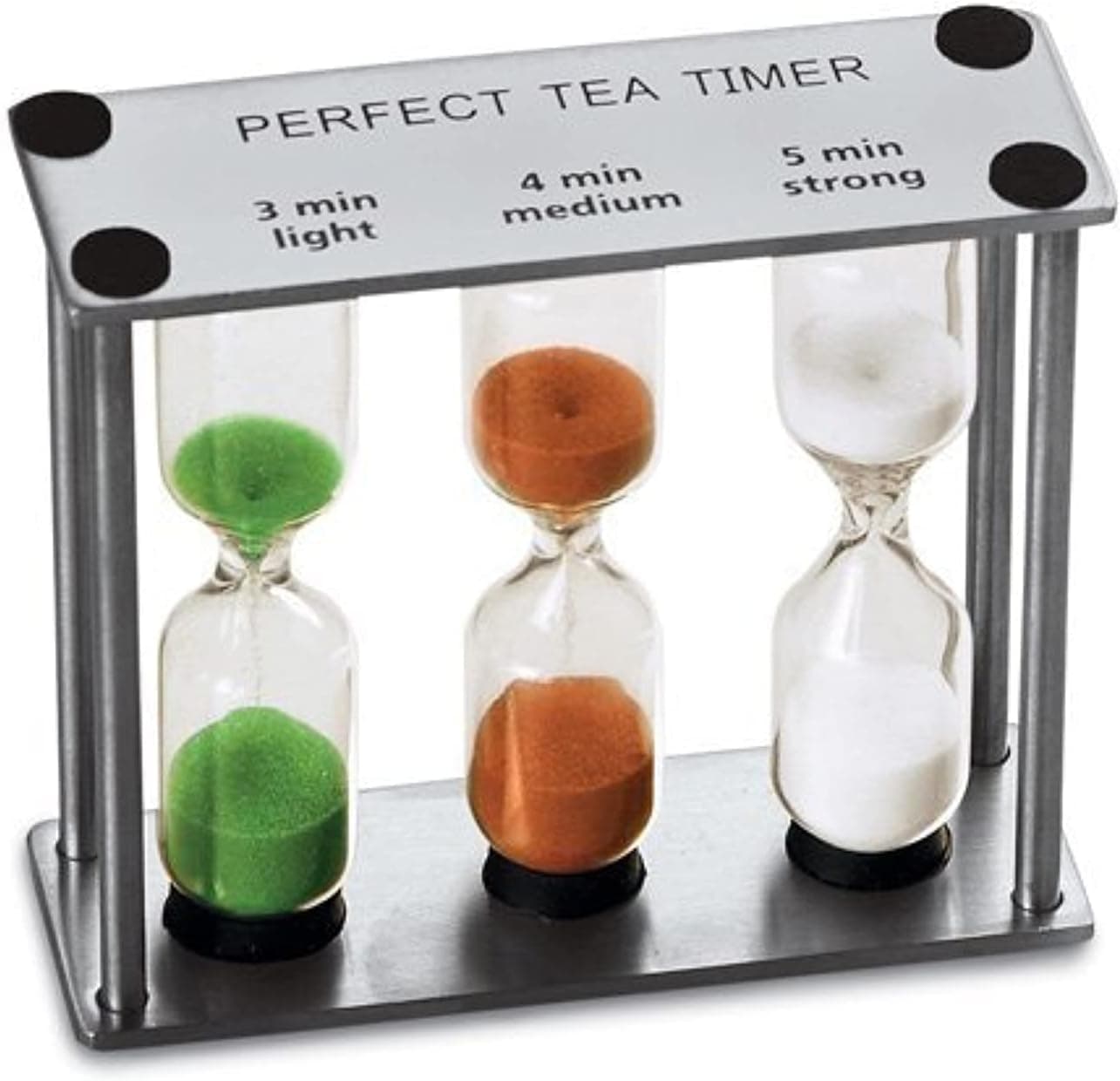
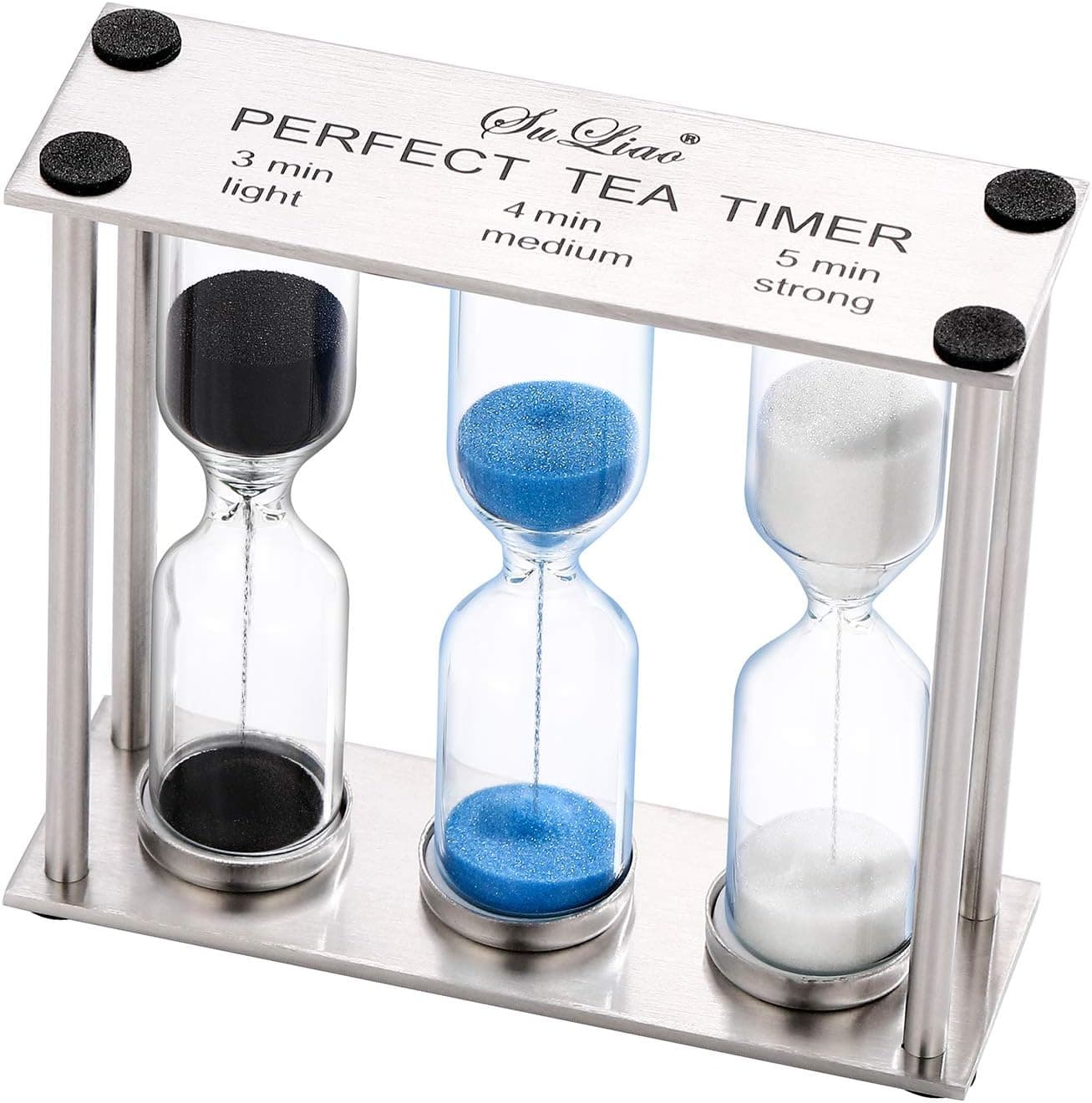
+ 3/4/5 Minute timers cover green, oolong and black tea steeps
From our guide: Best Tea Timers
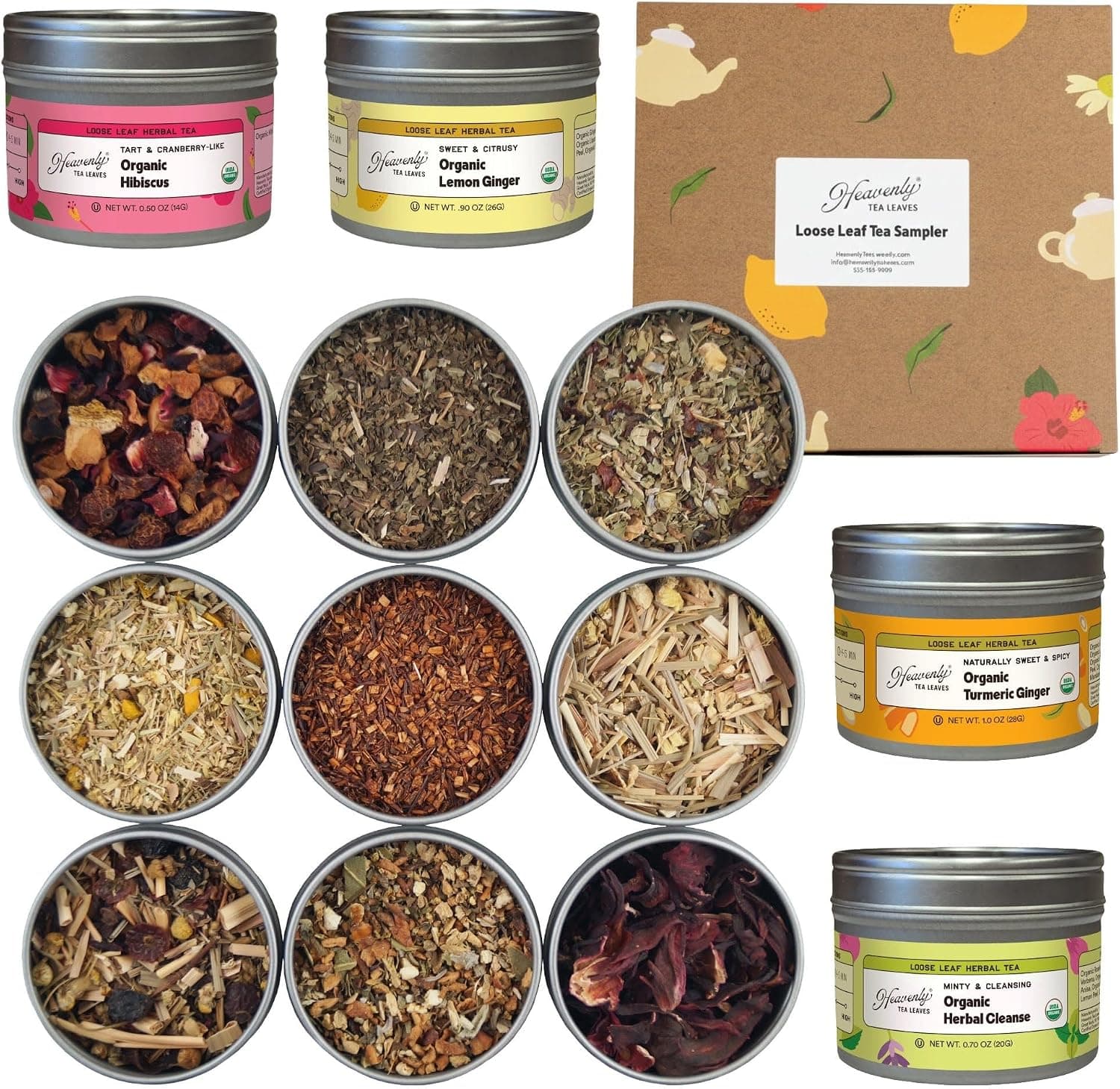
+ 9 Tisanes let you find a favorite herbal tea without buying big bags
From our guide: Best Herbal Tea: Caffeine-Free Blends Compared
+ Resealable Bag keeps rooibos fresh between uses
From our guide: Best Rooibos Tea: Caffeine-Free Red Bush Picks
+ 3-4-5 Minute layout matches green, oolong and black tea timing
From our guide: Best Tea Timers


Green tea generally wants a short steep
Green tea generally wants a short steep of one to three minutes. Japanese greens often peak around one to two minutes, while some Chinese greens can go slightly longer. Because green tea leaves release their tannins quickly in hot water, leaving them too long is the fastest route to a harsh, vegetal cup. Start short and extend only if the flavor is too light.
Black tea is more patient
Black tea is more patient, usually needing three to five minutes. Delicate first-flush Darjeelings sit near the lower end, while robust breakfast blends and Assam can handle the full five. If you like milk in your tea, steep toward the longer side so the flavor stands up to the dilution. Past five minutes, most black teas start to taste astringent.
White tea and oolong occupy a flexible middle ground
White tea and oolong occupy a flexible middle ground. Whites do well at four to five minutes, sometimes longer given how gentle they are. Oolongs steeped Western style take around three to five minutes, but they truly shine with the gongfu method, where short steeps of twenty to forty seconds are repeated many times to draw out evolving layers of flavor.
Herbal teas and tisanes are the most forgiving
Herbal teas and tisanes are the most forgiving and reward patience. Chamomile, rooibos, peppermint, and fruit blends need five to seven minutes, and some hardy roots and barks can steep even longer without becoming bitter, since they lack the tannins of true tea. When in doubt with an herbal, err toward more time rather than less.
Pu-erh behaves differently again
Pu-erh behaves differently again. After a quick rinse to awaken the leaves, ripe pu-erh brews beautifully in short bursts of thirty seconds to a couple of minutes, and it can be re-steeped many times. Each infusion reveals a slightly different character, from earthy and deep early on to mellow and sweet as the session continues.
Taste as you go and build intuition
The most important habit is to taste as you go and remove the leaves the moment the tea is right. Keep in mind that temperature and leaf quantity interact with time: hotter water and more leaf mean you should steep for less. Treat these ranges as starting points, jot down what works, and you will quickly build an intuition for the perfect steep on every tea you own.
Frequently asked questions
How long should green tea steep? Generally one to three minutes, with Japanese greens often peaking around one to two minutes; leaving green tea too long is the fastest route to a harsh, vegetal cup.
How long should black tea steep? Usually three to five minutes, with delicate first-flush Darjeelings near the lower end and robust breakfast blends and Assam able to handle the full five minutes.
How long should herbal tea steep? Five to seven minutes, and some hardy roots and barks can steep even longer without becoming bitter, since herbal tisanes lack the tannins found in true tea.
How is pu-erh tea steeped differently from other teas? After a quick rinse to awaken the leaves, ripe pu-erh brews in short bursts of thirty seconds to a couple of minutes and can be re-steeped many times, each infusion revealing a different character.
Popular right now
- Best Tea Storage TinsBuying guide
- Descaling a KettleArticle
- Tea-to-water ratio explainedGlossary
- Best Electric Tea KettlesBuying guide
- Best Glass Electric KettlesBuying guide
- Best Matcha Bowls: Chawan Picks for WhiskingBuying guide
Based on the last 28 days of search and visitor data.