Tea and Health Basics
Published How we research
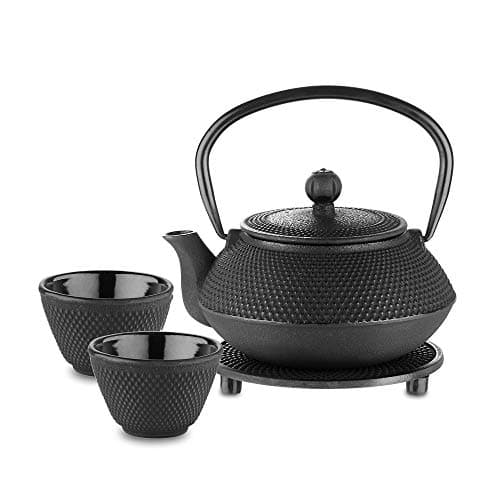
Tea has been enjoyed for thousands of years, and modern interest in its potential health benefits has made it one of the most studied beverages in the world. While tea is not a medicine and should not be treated as a cure for anything, a look at the basics helps set realistic expectations for what a daily cup may and may not offer.
Products from this article
The highest-scoring picks from the buying guides this article links to. Scores are our editorial assessment, not customer ratings.
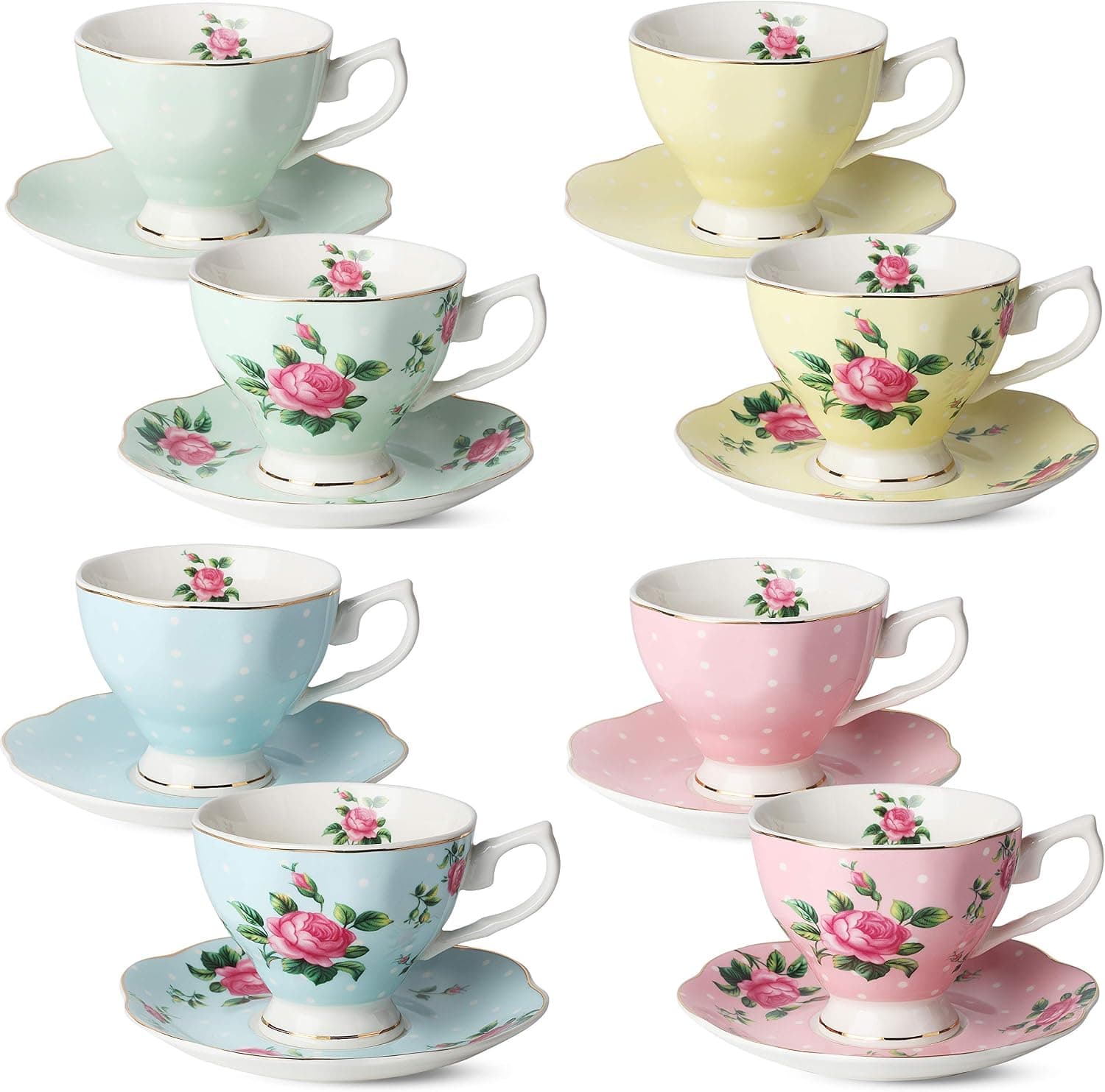
+ Set of 8 is ideal for hosting tea parties or showers
From our guide: Best Gifts for Tea Lovers
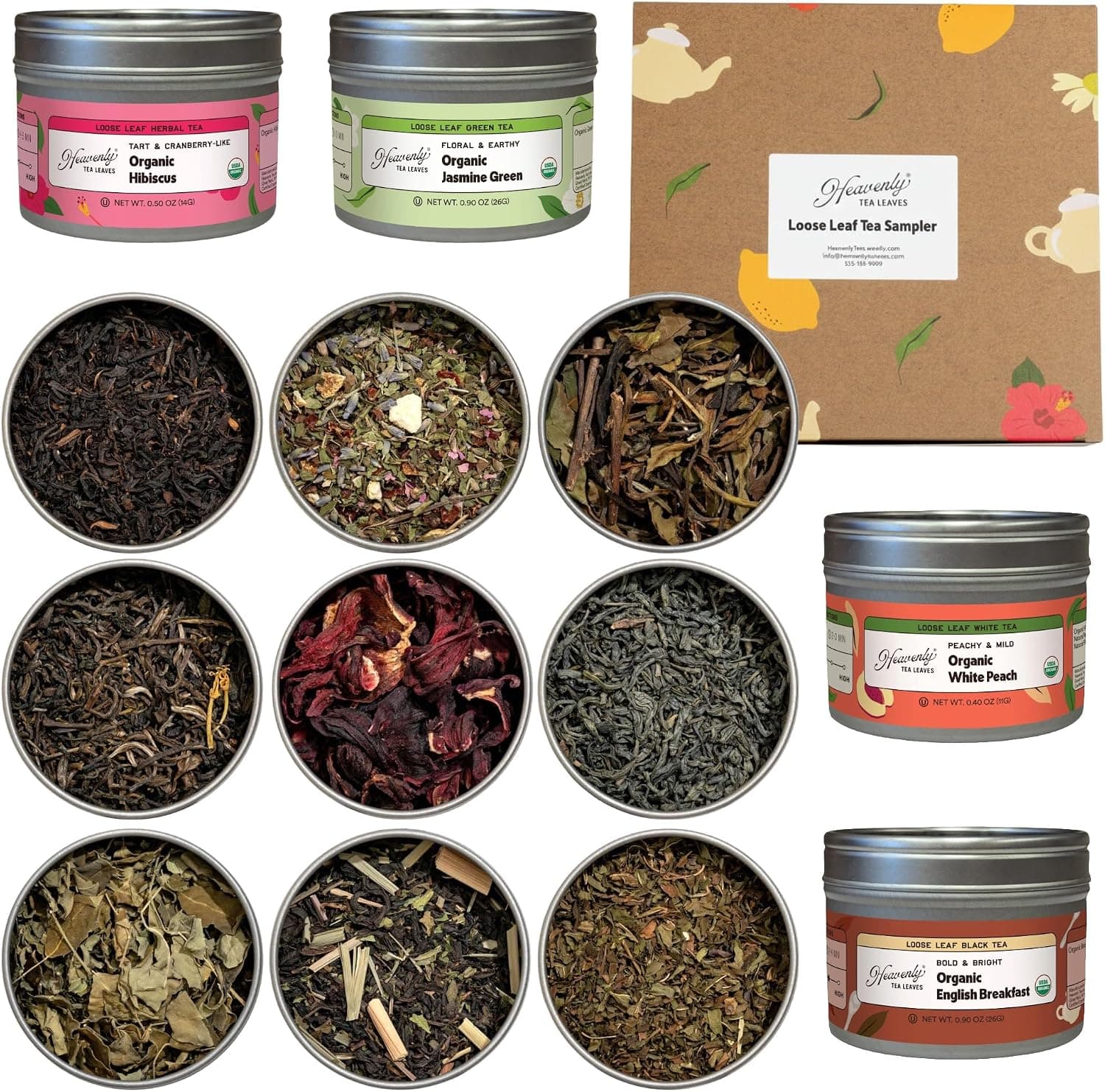
+ 9 Flavor Variety Pack covers a wide range of teas and tisanes
From our guide: Best Gifts for Tea Lovers
+ 12 Compartments hold a large variety of tea bags neatly
From our guide: Best Gifts for Tea Lovers
+ 3/4/5 Minute timers cover green, oolong and black tea steeps
From our guide: Best Gifts for Tea Lovers


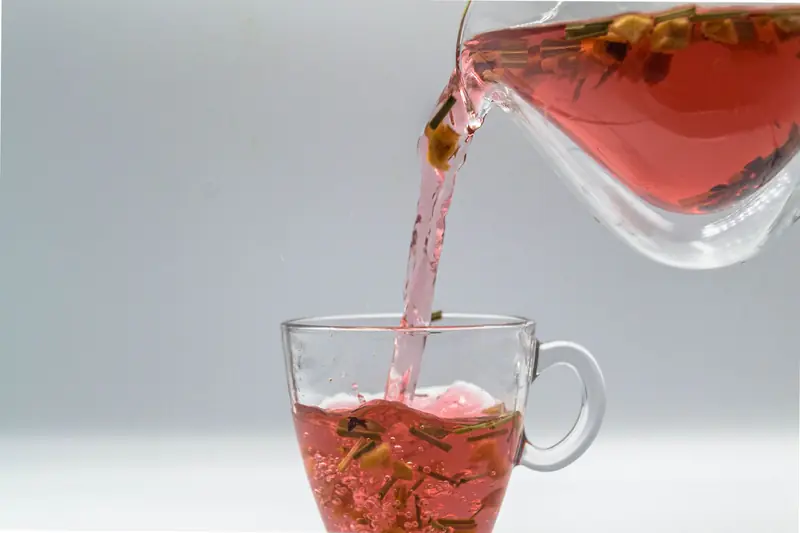
One reason tea attracts attention is its content of natural compounds called polyphenols, a group of antioxidants. Green tea in particular is rich in a class of polyphenols called catechins, while black tea contains compounds formed during oxidation. Antioxidants are molecules that help counter oxidative stress in the body, and diets rich in plant polyphenols are generally associated with good health, though tea is just one small contributor among many foods.
It is important to keep the evidence in perspective. Much of the research on tea comes from observational studies, which can show associations but cannot prove that tea directly causes a benefit. People who drink tea regularly may also share other healthy habits. So while patterns in the data are encouraging, sweeping claims that tea prevents specific diseases go well beyond what the science currently supports.
Hydration is a simpler and more concrete benefit. Despite an old belief that caffeinated drinks are dehydrating, the modest caffeine in a normal cup of tea does not offset the fluid it provides. For most people, tea counts toward daily fluid intake and is a pleasant, low-calorie way to stay hydrated, especially when enjoyed without added sugar.
Tea also contains L-theanine, an amino acid that has drawn interest for its calming effects. In combination with caffeine, L-theanine is associated with a state some describe as relaxed alertness, which may explain why many people find tea focusing without the jitters of coffee. This is one of tea's more distinctive and well-documented characteristics.
There are a few sensible cautions. Tea contains caffeine, so those who are sensitive or pregnant may want to moderate their intake or choose herbal options. The tannins in tea can also interfere with the absorption of iron from plant sources, so people managing low iron might avoid drinking strong tea with meals. And adding lots of sugar or sweetened syrups can undo tea's low-calorie advantage.
The balanced takeaway is that tea is a healthy, hydrating, enjoyable beverage that fits well into a good diet, but it is not a magic elixir. Drink it because you like it and because it is a soothing ritual, and let any modest health benefits be a bonus rather than the reason. As with any dietary question, anyone with specific health concerns should consult a qualified professional rather than relying on tea alone.
Popular right now
- Best Tea Storage TinsBuying guide
- Descaling a KettleArticle
- Tea-to-water ratio explainedGlossary
- Best Electric Tea KettlesBuying guide
- Best Glass Electric KettlesBuying guide
- Best Matcha Bowls: Chawan Picks for WhiskingBuying guide
Based on the last 28 days of search and visitor data.