Tea for Beginners
Published How we research
Getting into loose-leaf tea can feel intimidating when you first encounter talk of temperatures, steep times, and specialized gear. The good news is that starting is genuinely simple, and you do not need much to brew a delicious cup. This guide strips things down to the essentials so you can begin with confidence and grow from there.
Products from this article
The highest-scoring picks from the buying guides this article links to. Scores are our editorial assessment, not customer ratings.
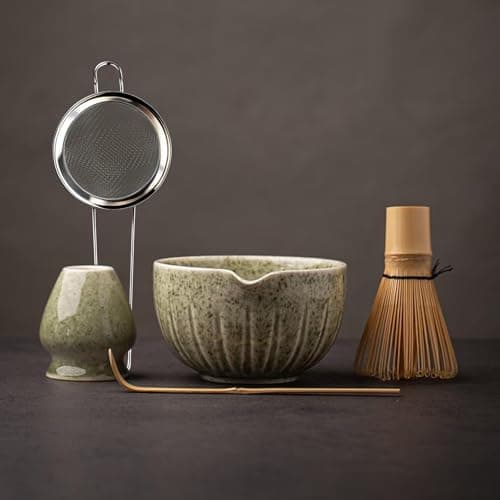
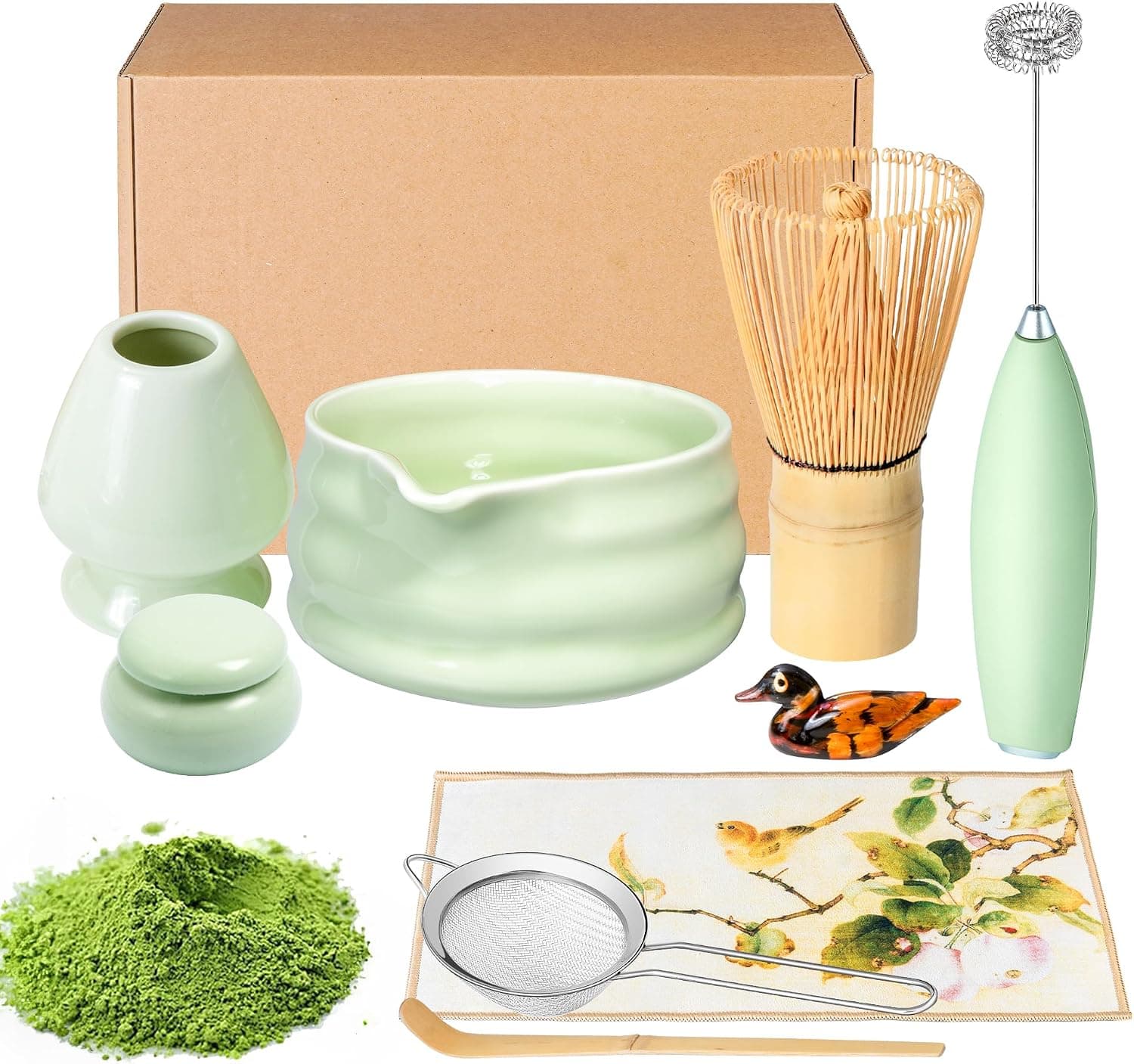
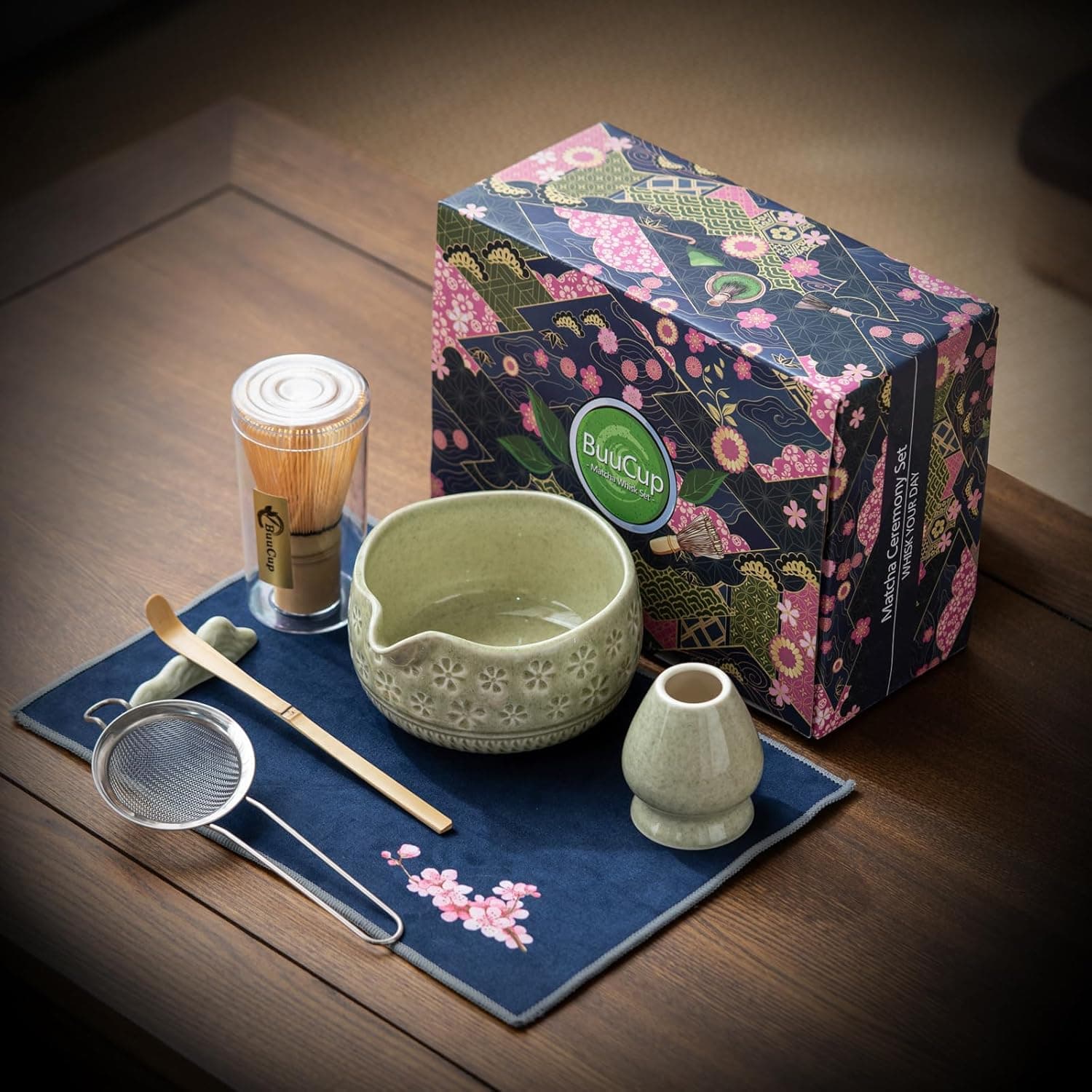
+ 9 Pack bundle covers bowl, whisk, holder, sifter and measuring tools
From our guide: Best Matcha Starter Kits for Beginners
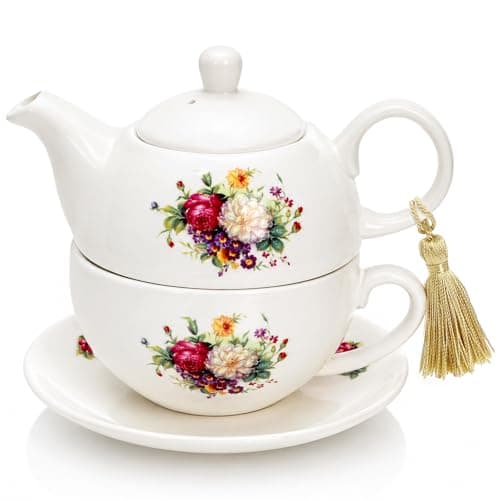
+ Complete single-serving set: 16 oz teapot, 12 oz cup and saucer, so one purchase covers a full personal tea setup.
From our guide: Best Tea For One Sets
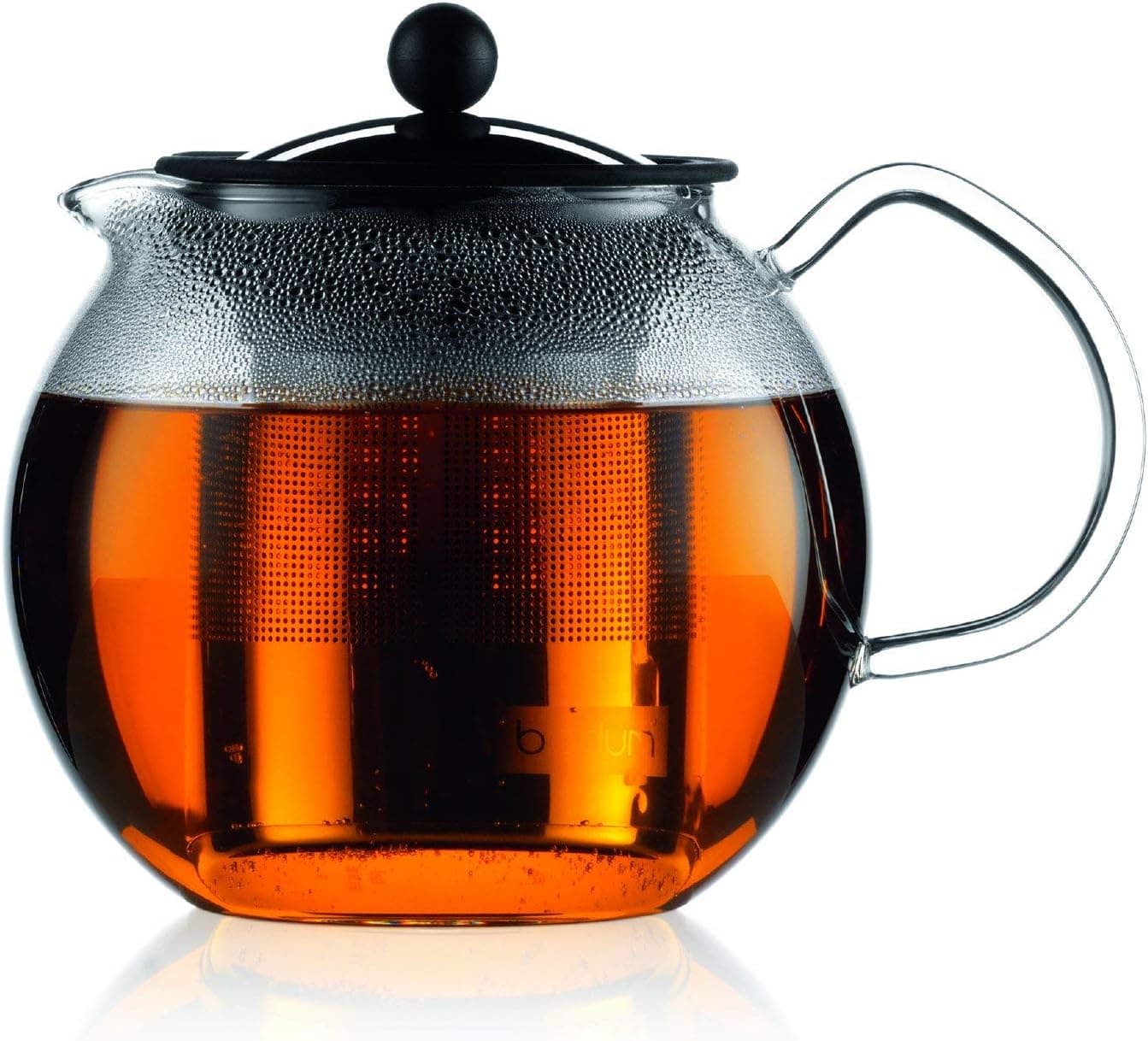
+ Bodum is a long-standing maker of press brewers
From our guide: Best Tea Presses
+ Tea towel is a thoughtful extra for wiping the bowl and whisk
From our guide: Best Matcha Starter Kits for Beginners
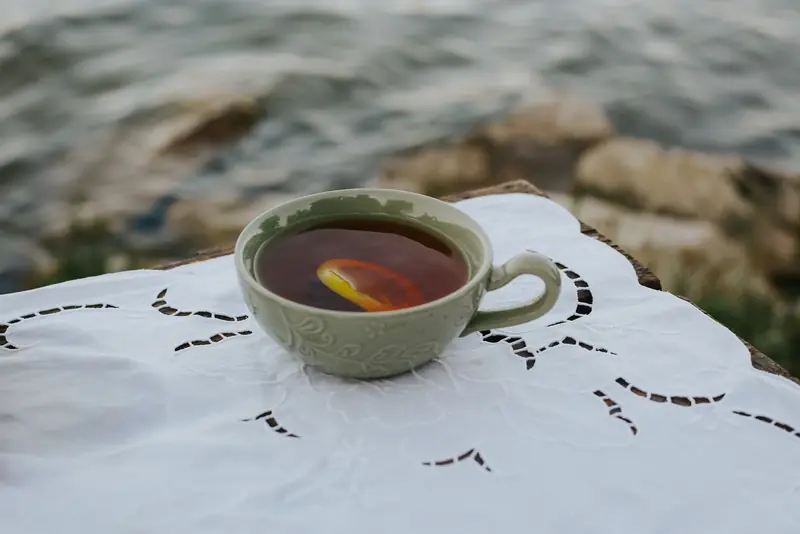
First, understand the basic families of tea. Green, black, oolong, and white teas all come from the same plant and differ by how they are processed, while herbal teas are made from other plants and contain no caffeine. As a beginner, it helps to try one from a couple of these categories to discover what you like. A friendly black tea and a mild green are a good starting pair, plus a herbal option for the evening.
You need very little equipment to begin. A way to heat water, a vessel to steep in, and something to separate the leaves from the liquid covers the basics. A simple basket infuser that sits in a mug is the easiest and cheapest entry point, giving the leaves plenty of room to expand while letting you lift them out cleanly when the steep is done. A teapot with a built-in strainer works just as well.
The core brewing steps are straightforward. Use about one teaspoon of loose leaf per cup, pour hot water over it, let it steep for the right time, and remove the leaves. That is the whole process. The main things to get right are the water temperature and the steep time, and both are easy to learn with a little attention.
Temperature is the detail beginners most often overlook. Delicate green and white teas prefer water below boiling, around 160 to 175 degrees Fahrenheit, while black and herbal teas want a full boil. If you do not have a variable-temperature kettle, simply let boiled water rest for a minute or two before pouring it over greens. This one habit prevents the bitterness that turns many newcomers off green tea.
Steep time is the other key. Green teas need only one to three minutes, black teas three to five, and herbal teas five or more. Over-steeping is the most common beginner mistake and makes tea bitter and harsh, so use a timer at first rather than guessing. When the time is up, take the leaves out completely so the tea stops brewing.
Above all, treat tea as an enjoyable experiment rather than a test you can fail. Taste as you go, adjust the leaf amount, temperature, and time to suit your palate, and do not worry about doing everything perfectly. Remember that good loose leaf can often be steeped more than once, so you can keep exploring a single portion. Start simple, stay curious, and let your taste guide you toward the teas and rituals you enjoy most.
Popular right now
- Best Tea Storage TinsBuying guide
- Descaling a KettleArticle
- Tea-to-water ratio explainedGlossary
- Best Electric Tea KettlesBuying guide
- Best Glass Electric KettlesBuying guide
- Best Matcha Bowls: Chawan Picks for WhiskingBuying guide
Based on the last 28 days of search and visitor data.