Why Your Green Tea Tastes Bitter and How to Fix It
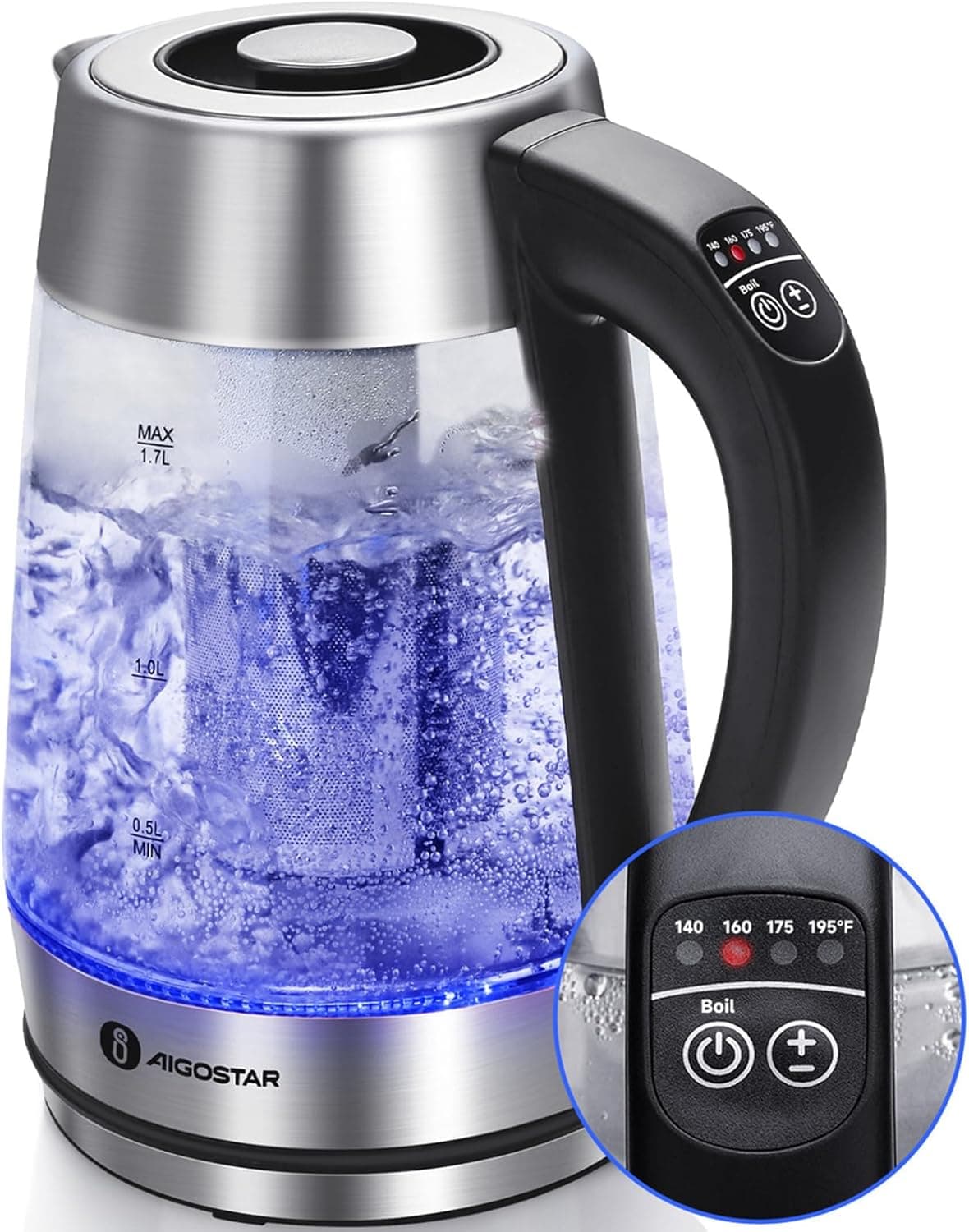
Many people decide they do not like green tea after drinking a cup that tastes harsh, bitter and mouth-drying. Good green tea should taste fresh, sweet, vegetal or nutty, not like chewing leaves. Bitterness nearly always comes from brewing choices rather than the tea itself. Adjusting water temperature, steeping time and leaf quantity usually transforms the cup.
Use cooler water
Boiling water extracts bitter catechins and caffeine from green tea very quickly. Most green teas brew best at roughly 70-80°C (158-176°F), and delicate Japanese green teas like gyokuro even lower.
A variable temperature kettle makes this easy. Without one, let boiled water cool with the lid off for a few minutes, or pour it into a cup first and then into the teapot to lower the temperature.
Shorten steeping time
Green tea steeped for five minutes like black tea will taste bitter. Start with around one to three minutes, depending on the tea, and taste as you go.
Remove leaves or the infuser as soon as steeping is done. Leaving leaves sitting in the pot keeps extracting bitterness while you drink.
Measure the leaves
Too much leaf for the amount of water makes tea strong and astringent. A digital scale helps: many green teas taste good with around 2-3 grams of leaf per 200-250 ml of water, but follow the seller's guidance.
For gongfu-style brewing with more leaf, use very short steeps of a few seconds to avoid bitterness.
Choose fresh, quality tea
Green tea loses freshness quickly. Old or poorly stored tea tastes flat and harsh. Buy smaller quantities from reputable sellers and look for harvest dates.
Store tea in an airtight, opaque container away from light, heat, moisture and strong smells. Broken leaf and dusty tea bags extract faster and more bitterly than whole leaves.
Adjust for tea type
Japanese steamed green teas such as sencha can be more sensitive to temperature than Chinese pan-fired teas like Dragon Well. Experiment with each tea separately.
If you still find green tea bitter, try naturally sweeter styles such as genmaicha, hojicha or Chinese green teas, or cold brew green tea for a smooth, mellow flavour.
Check your water and teaware
Hard or heavily chlorinated tap water can make green tea taste flat, harsh or metallic, even when temperature and timing are right. Try the same tea with filtered or low-mineral bottled water and taste the difference side by side.
Teapots and infusers with built-up tannin stains or leftover flavours from strong black or smoky teas can also add bitterness. Keep a clean glass, porcelain or dedicated teapot for green teas, and preheat it with hot water so the brewing temperature stays steady.
Re-steep the leaves wisely
Quality whole leaf green teas can be steeped several times. The first infusion is often the most delicate, while later infusions need slightly hotter water or a little more time to draw out flavour without becoming bitter.
Add around 30 seconds to each following steep and taste as you go. When the tea starts to taste thin rather than bitter, the leaves are spent and it is time for a fresh measure.