Green vs Black vs Oolong
Published How we research
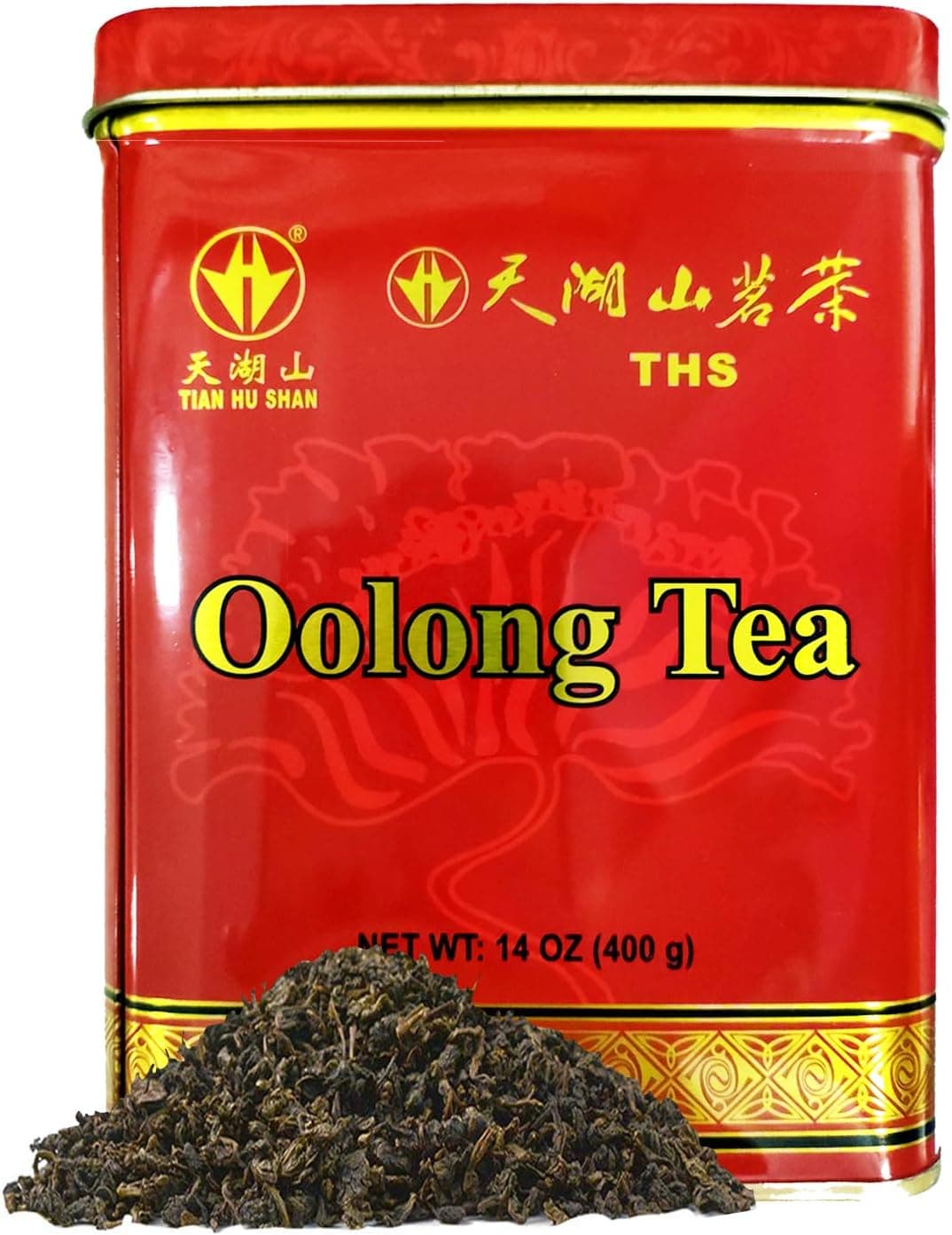
One of the most surprising facts for newcomers is that green, black, and oolong tea all come from the same plant, Camellia sinensis. What separates them is not the plant but the processing, specifically how much the leaves are allowed to oxidize after picking. Understanding oxidation is the key to understanding why these teas taste so different and why they brew differently.
Products from this article
The highest-scoring picks from the buying guides this article links to. Scores are our editorial assessment, not customer ratings.
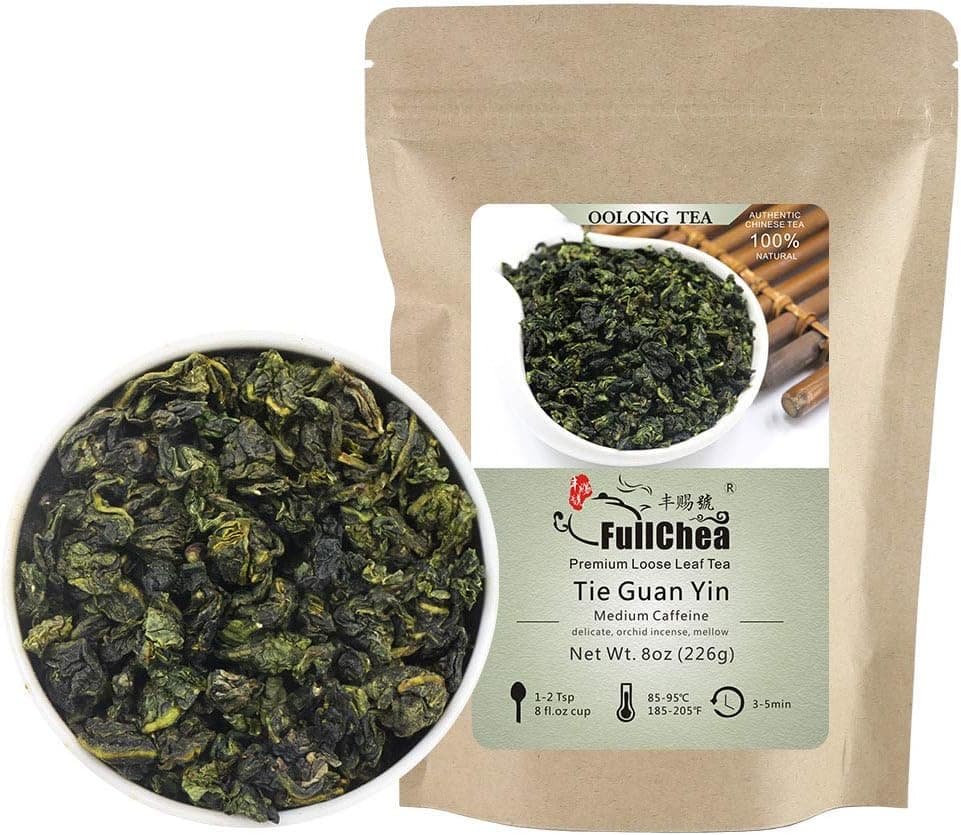
+ Anxi origin is the classic region for Tieguanyin oolong
From our guide: Best Oolong Tea: Light to Dark Styles Compared
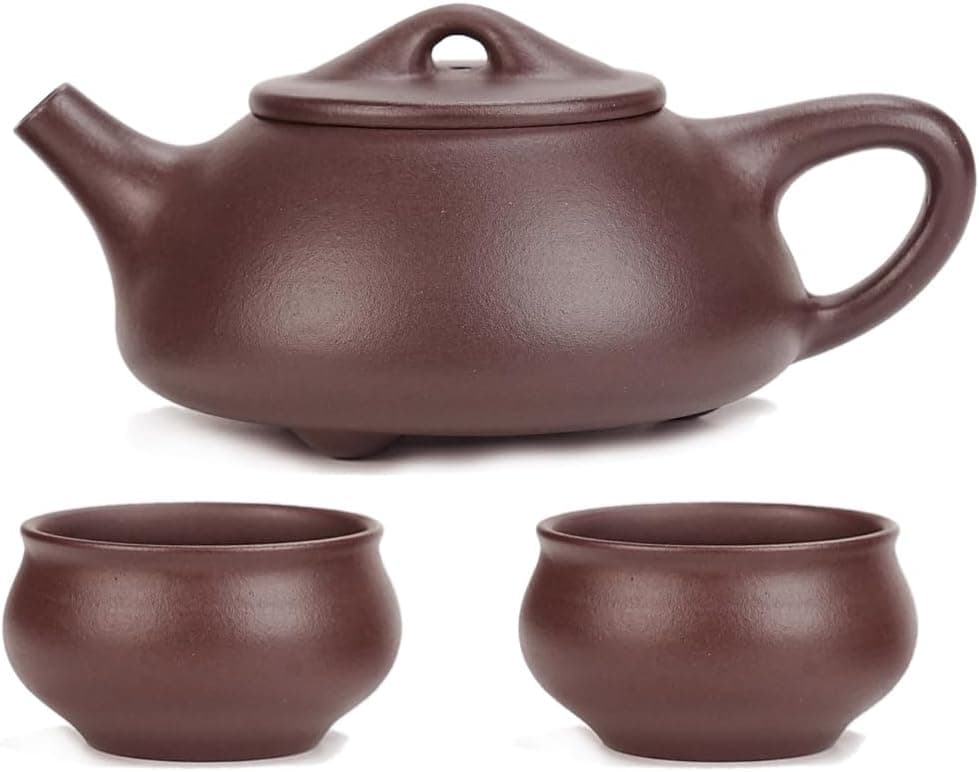
+ 2 Cups are included, so the set is ready for two people straight away
From our guide: Best Yixing Clay Teapots
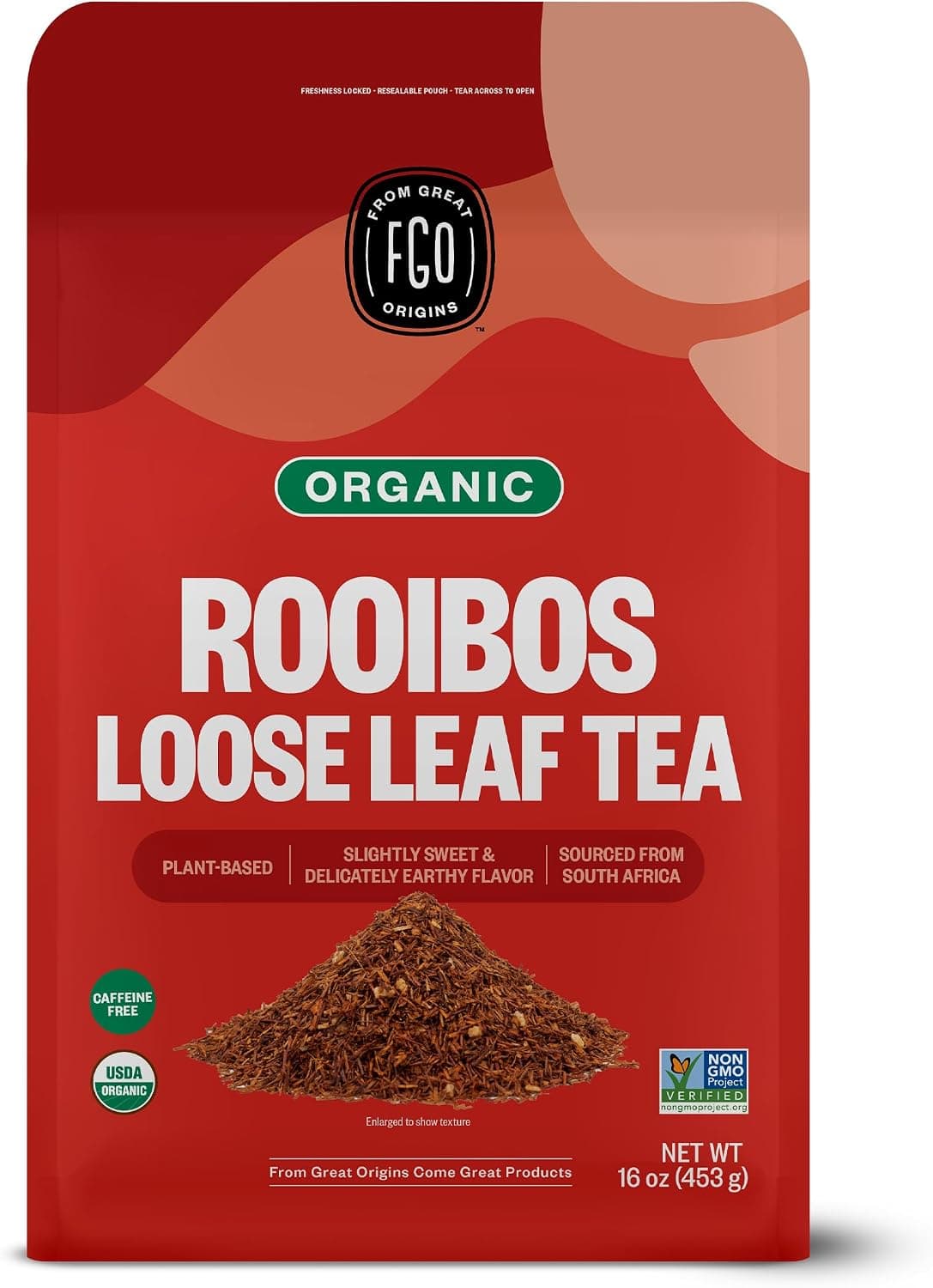
+ Resealable Bag keeps rooibos fresh between uses
From our guide: Best Rooibos Tea: Caffeine-Free Red Bush Picks
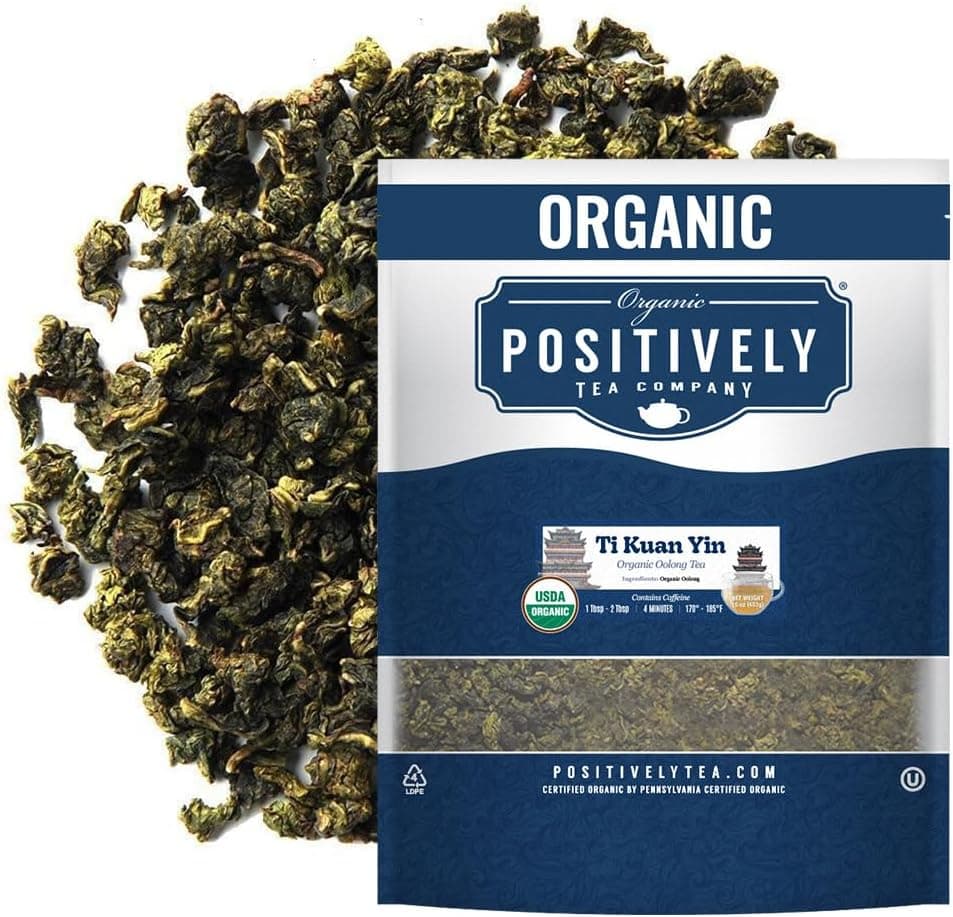
+ Ti Kuan Yin is one of China's most famous oolong styles
From our guide: Best Oolong Tea: Light to Dark Styles Compared
Oxidation is a natural chemical reaction that begins when tea leaves are bruised or broken and exposed to air, similar to how a sliced apple browns. Tea producers control this reaction carefully, halting it early, letting it run to completion, or stopping it somewhere in between. The point at which they stop defines the category and character of the final tea.
Green tea is essentially unoxidized. Soon after picking, the leaves are heated by steaming or pan-firing to deactivate the enzymes that cause oxidation, locking in their fresh green color and vegetal flavor. The result is a light, often grassy or marine cup with a delicate profile. Because it is so gentle, green tea needs cooler water around 160 to 175 degrees and a short steep to avoid bitterness.
Black tea sits at the opposite end, fully oxidized. The leaves are allowed to oxidize completely, which turns them dark and develops bold, malty, sometimes sweet or brisk flavors. This heavier processing also makes black tea the most robust of the three, standing up well to milk and holding its flavor longer in storage. It brews with near-boiling water and a longer steep of three to five minutes.
Oolong is the fascinating middle ground, partially oxidized anywhere from roughly ten to eighty percent. This enormous range means oolong is not one flavor but a spectrum, from light and floral greener oolongs to dark, roasted, and honeyed varieties. Oolong leaves are often rolled and can be steeped many times, revealing new layers with each infusion, which makes them a favorite for gongfu brewing.
Caffeine content is often assumed to track with color, but the reality is more nuanced. While black tea is popularly considered the strongest, caffeine levels depend on the specific leaf, growing conditions, and how you brew far more than on oxidation alone. All three can deliver a meaningful lift, so brewing method and leaf quantity influence your cup's caffeine more than category.
The practical takeaway is that oxidation tells you how to treat each tea. Lighter, less oxidized teas want cooler water and shorter steeps, while darker, more oxidized teas want hotter water and longer steeps. Once you grasp that a single plant produces this whole range through processing, exploring green, oolong, and black tea becomes a journey along one continuous spectrum rather than three unrelated drinks.
Popular right now
- Best Tea Storage TinsBuying guide
- Descaling a KettleArticle
- Tea-to-water ratio explainedGlossary
- Best Electric Tea KettlesBuying guide
- Best Glass Electric KettlesBuying guide
- Best Matcha Bowls: Chawan Picks for WhiskingBuying guide
Based on the last 28 days of search and visitor data.