Hard Water and Tea
Published How we research
Hard water's dissolved minerals, mainly calcium and magnesium, dull tea's flavor and can create a thin, oily-looking surface film. It also makes tea's color look duller and hurts delicate green and white teas most. Completely mineral-free water like distilled isn't ideal either, since a small amount of mineral content helps extract flavor, so balanced water is the goal. Hard water also causes limescale buildup in kettles, reducing efficiency and leaving flakes in your cup. Filtering with an activated-carbon jug is the most accessible fix, and experimenting with filtered or bottled water can reveal a striking difference in your cup. Tea is mostly water, so it is no exaggeration to say that your water quality shapes your cup as much as the leaves do. Many people struggle to understand why the same tea tastes different at home than at a friend's house or a cafe, and the answer often comes down to the water, particularly whether it is hard or soft.
Products from this article
The highest-scoring picks from the buying guides this article links to. Scores are our editorial assessment, not customer ratings.
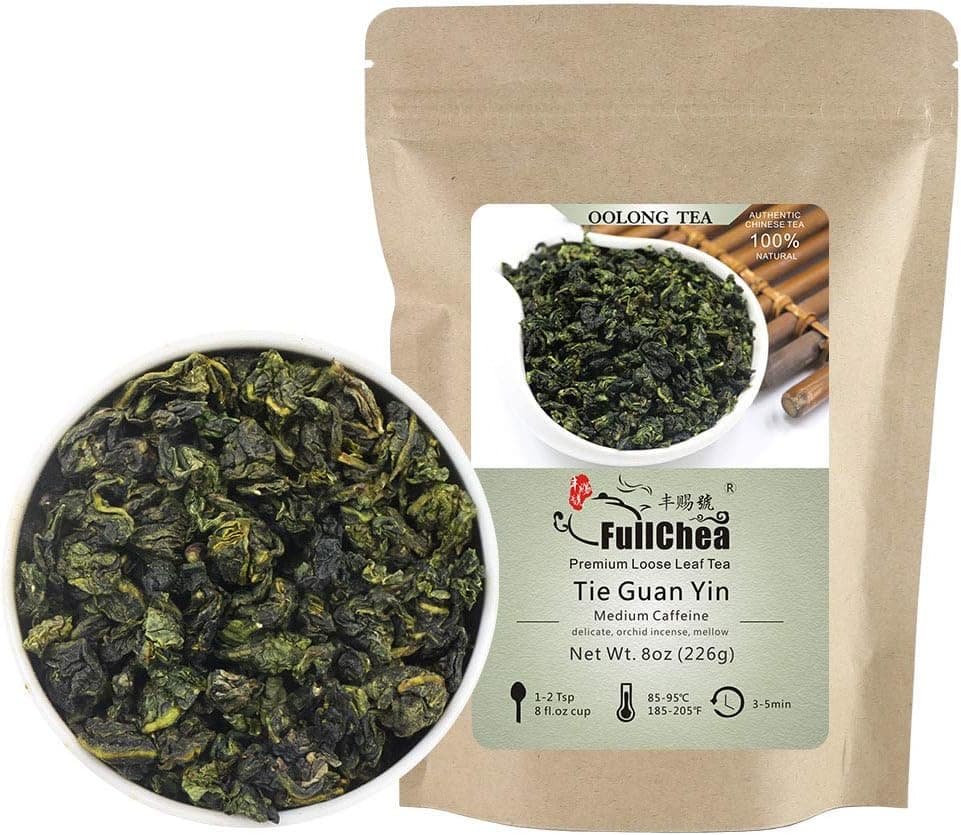
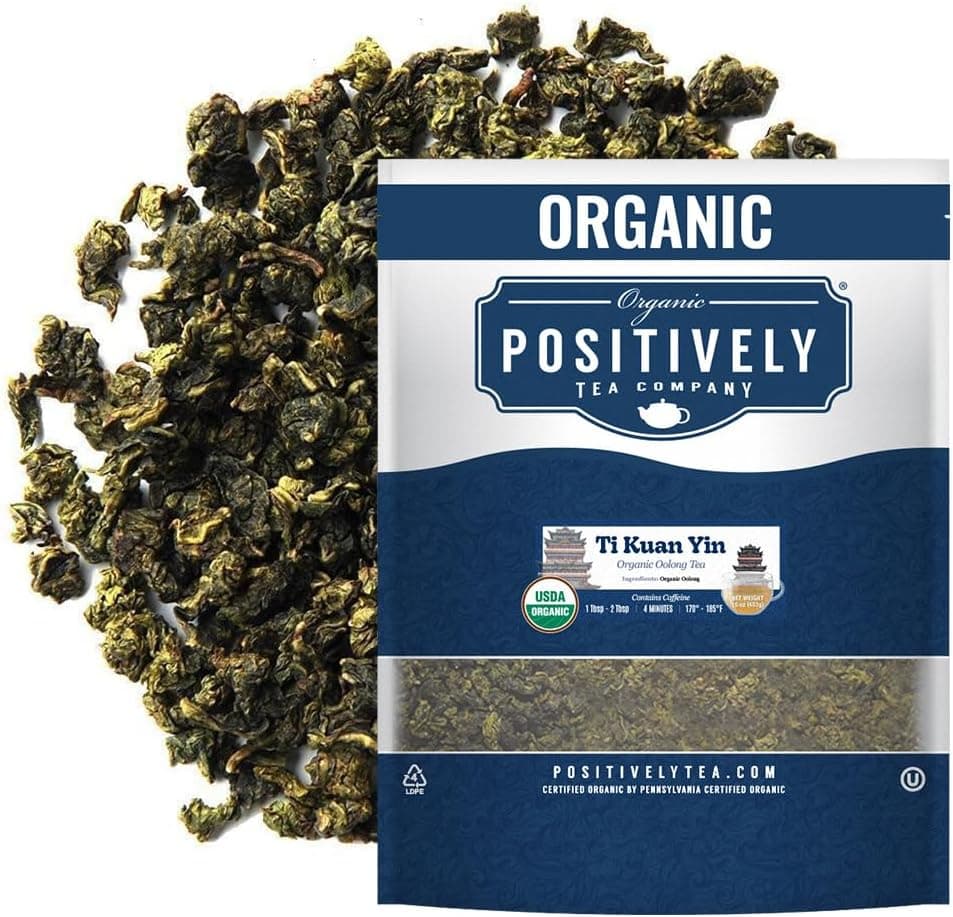
+ Anxi origin is the classic region for Tieguanyin oolong
From our guide: Best Oolong Tea: Light to Dark Styles Compared
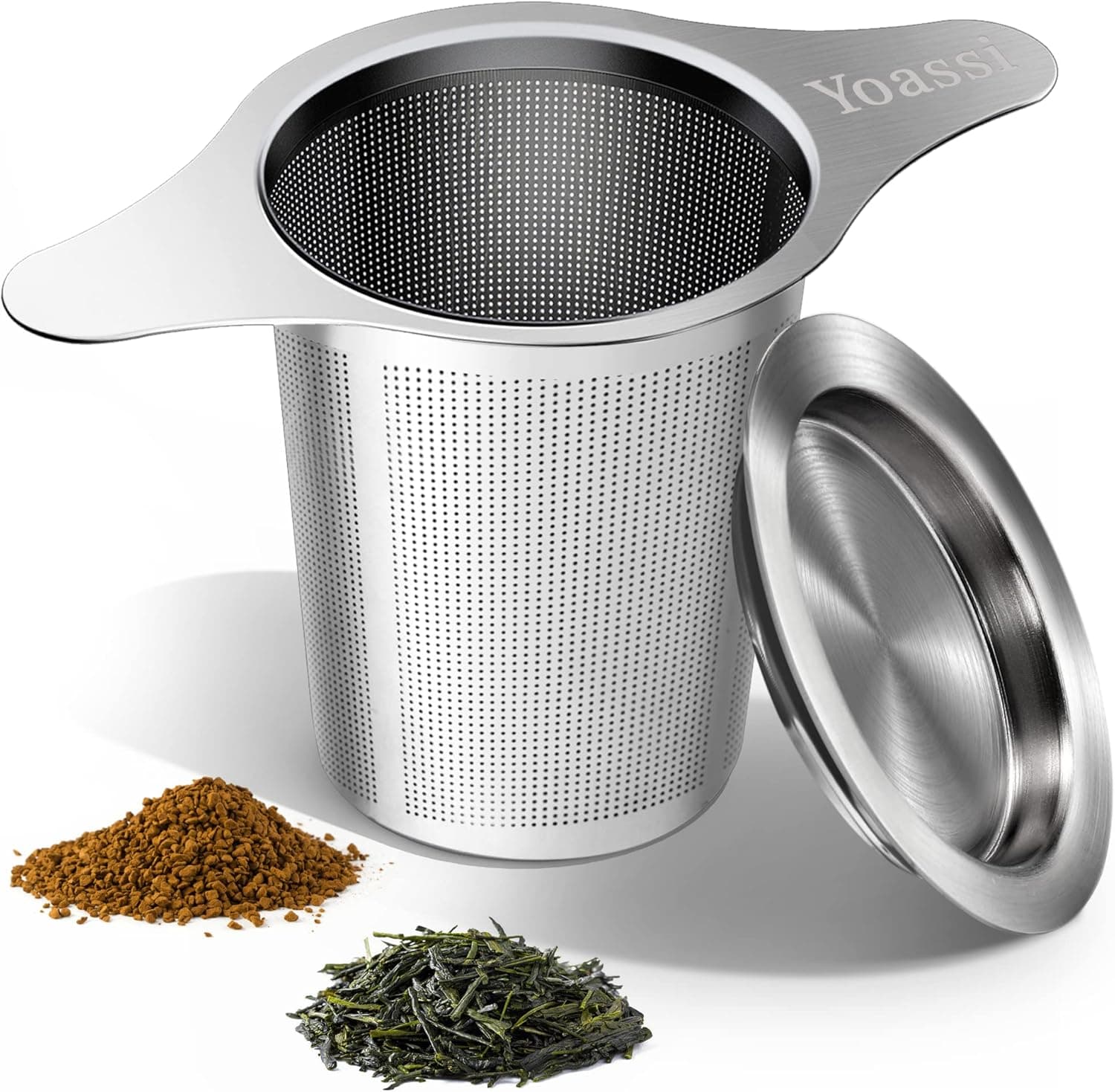
+ Double handles rest securely on most mug and teacup rims
From our guide: Best Loose Leaf Tea Essentials
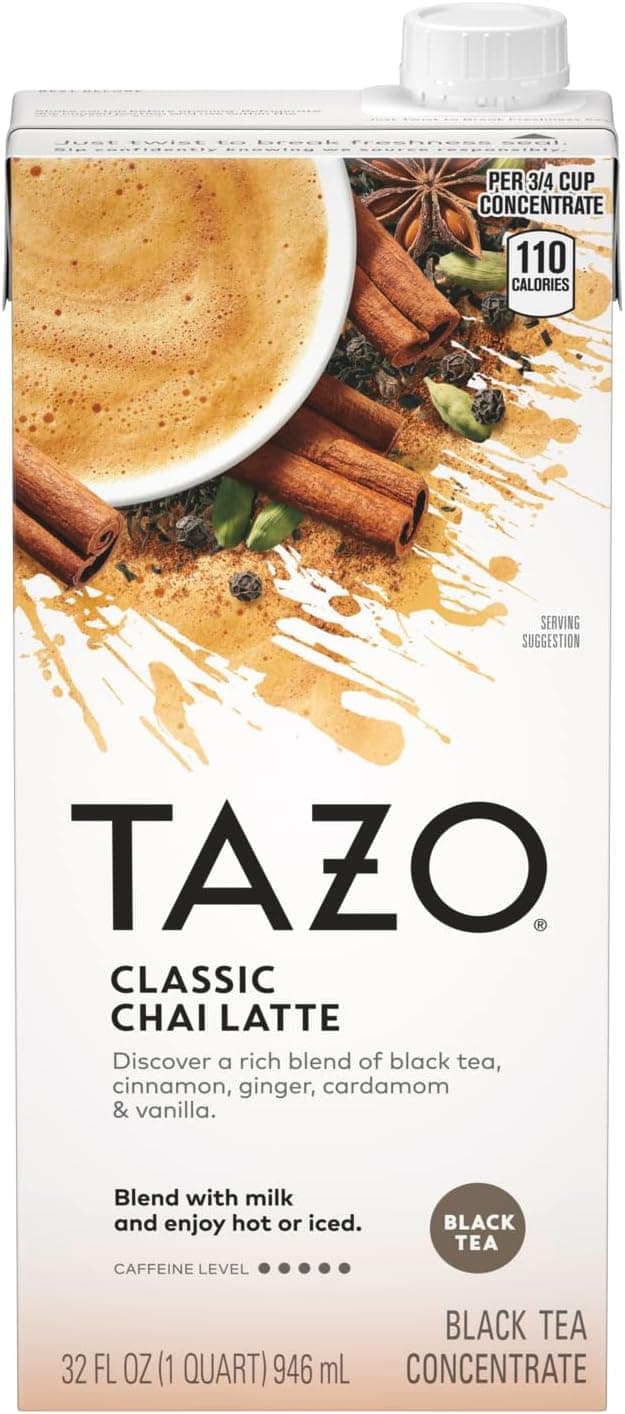
+ TAZO chai is a familiar cafe-style flavor many people know
From our guide: Best Tea Concentrates
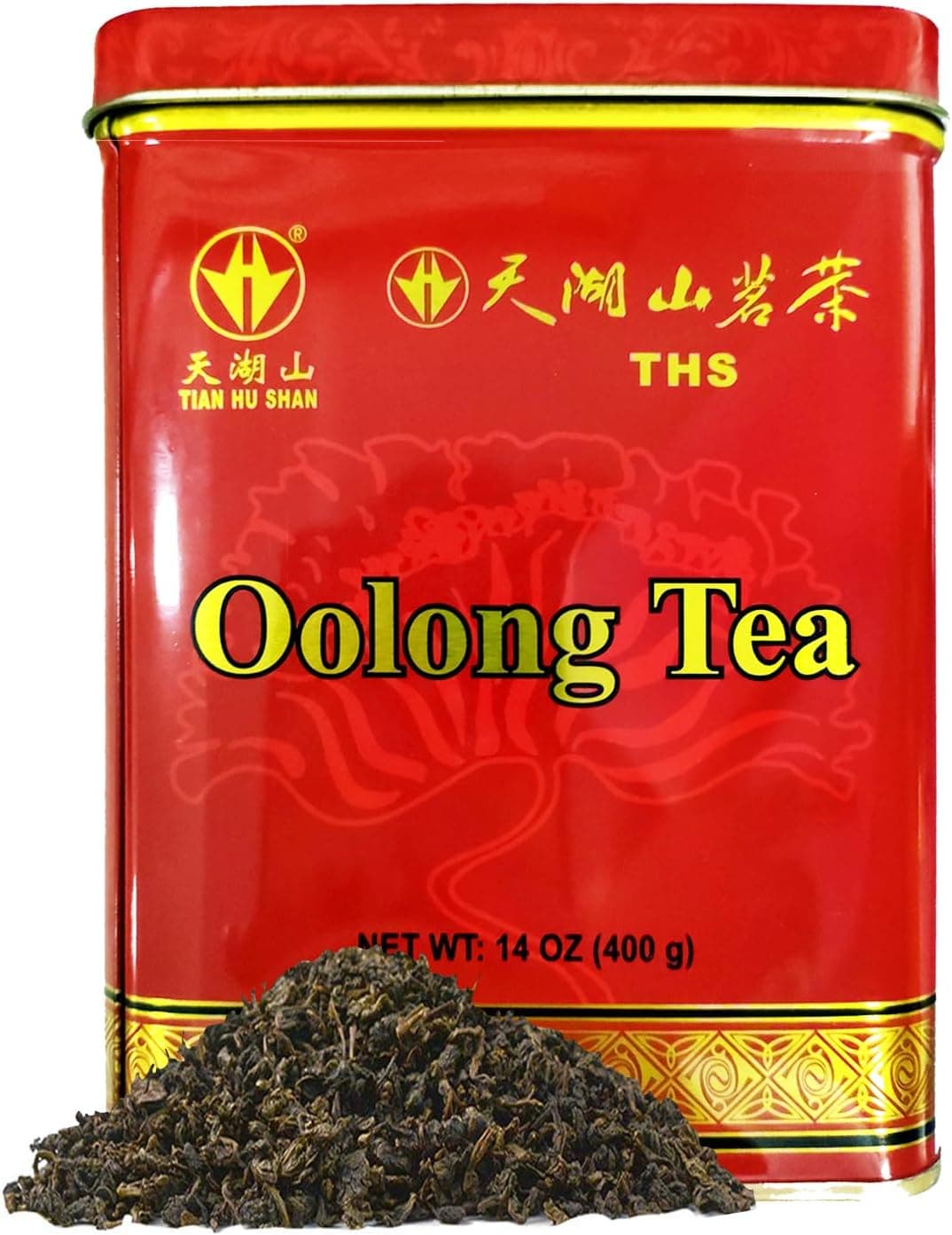
+ Ti Kuan Yin is one of China's most famous oolong styles
From our guide: Best Oolong Tea: Light to Dark Styles Compared
Hard water contains dissolved minerals that dull flavor
Hard water contains a high concentration of dissolved minerals, mainly calcium and magnesium. These minerals interact with the compounds in tea and can noticeably dull its flavor and change its appearance. In hard-water areas, tea often tastes flatter and less vibrant, and the surface may develop a thin, oily-looking film, sometimes called a scum, that many people find unappealing.
The surface film is harmless but telling
That surface film is the result of minerals reacting with tea's natural compounds. It is harmless, but it is a visible sign that the water is affecting the brew. Hard water can also make the color of the tea look duller or darker than it should, masking the bright, clear liquor that the same leaves would produce in softer water. Delicate green and white teas suffer most, since their subtle flavors are easily overwhelmed.
Completely pure water isn't ideal either
Soft water, which is low in dissolved minerals, generally produces a cleaner, brighter cup that lets the tea's true character shine. However, water that is completely stripped of all minerals, such as distilled water, is not ideal either. A small amount of mineral content actually helps extract and express tea's flavor, so the goal is balanced water rather than absolutely pure water.
Hard water causes limescale buildup in your kettle
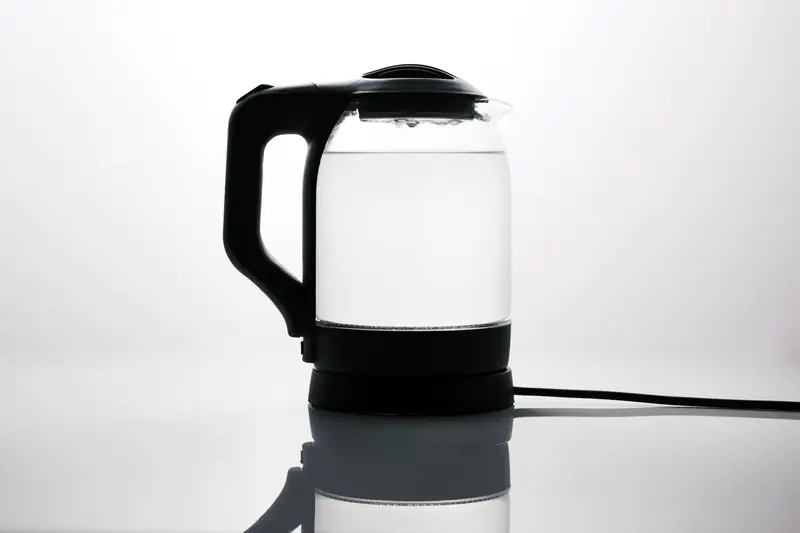
Hard water has a second, practical consequence: limescale buildup in your kettle. The same minerals that dull your tea precipitate out when heated, coating the heating element and interior with chalky scale. This not only reduces your kettle's efficiency but can leave flakes in your tea, which is why regular descaling is important in hard-water households.
Filtering is the most accessible fix
The most accessible fix for most people is filtering. A simple activated-carbon filter jug reduces some of the impurities and can improve taste, and for harder water, filters designed to reduce mineral content help more. Using filtered water is a cheap, easy upgrade that many tea drinkers find transforms their everyday cup, especially for lighter teas.
Experiment with your water before blaming the leaves
If you have ever wondered why your tea does not taste like it should, experiment with your water before blaming the leaves. Try brewing the same tea with filtered or bottled water and compare it to your tap water. The difference can be striking, and once you find water that suits your teas, you will get far more out of every leaf in your collection. Good water is the invisible ingredient behind every great cup.
Frequently asked questions
Does hard water affect the taste of tea? Yes, hard water's dissolved minerals, mainly calcium and magnesium, can noticeably dull tea's flavor and change its appearance, making it taste flatter and less vibrant.
What is the oily film on top of tea made from hard water? It's the result of minerals reacting with tea's natural compounds, sometimes called scum. It is harmless but a visible sign the water is affecting the brew.
Is distilled water good for brewing tea? Not necessarily. Water completely stripped of minerals is not ideal either, since a small amount of mineral content actually helps extract and express tea's flavor.
How can I fix hard water for better tea? A simple activated-carbon filter jug reduces impurities and can improve taste, and for harder water, filters designed to reduce mineral content help even more.
Popular right now
- Best Tea Storage TinsBuying guide
- Descaling a KettleArticle
- Tea-to-water ratio explainedGlossary
- Best Electric Tea KettlesBuying guide
- Best Glass Electric KettlesBuying guide
- Best Matcha Bowls: Chawan Picks for WhiskingBuying guide
Based on the last 28 days of search and visitor data.