How to Brew Loose-Leaf Tea
Published How we research
Use one level teaspoon of leaf per eight ounces of water as a starting ratio, adjusting for fluffy or dense leaves. Match water temperature to tea type: 160-175F for delicate greens and whites, 185-200 for oolongs, near boiling for black and herbal. Give leaves room to move in a wide infuser rather than a cramped mesh ball. Time the steep rather than guessing, since over-steeping causes bitterness, and remove leaves completely once done. Many quality loose leaves can be re-steeped two or three times, revealing new flavor layers each round. Loose-leaf tea rewards a little attention with far more flavor than a standard bag. The leaves are usually larger and less broken, which means they unfurl fully and release aromatic oils that a crushed teabag simply cannot match. Once you understand a few basics, brewing loose leaf at home takes no more effort than using a bag, and the results are noticeably better.
Products from this article
The highest-scoring picks from the buying guides this article links to. Scores are our editorial assessment, not customer ratings.
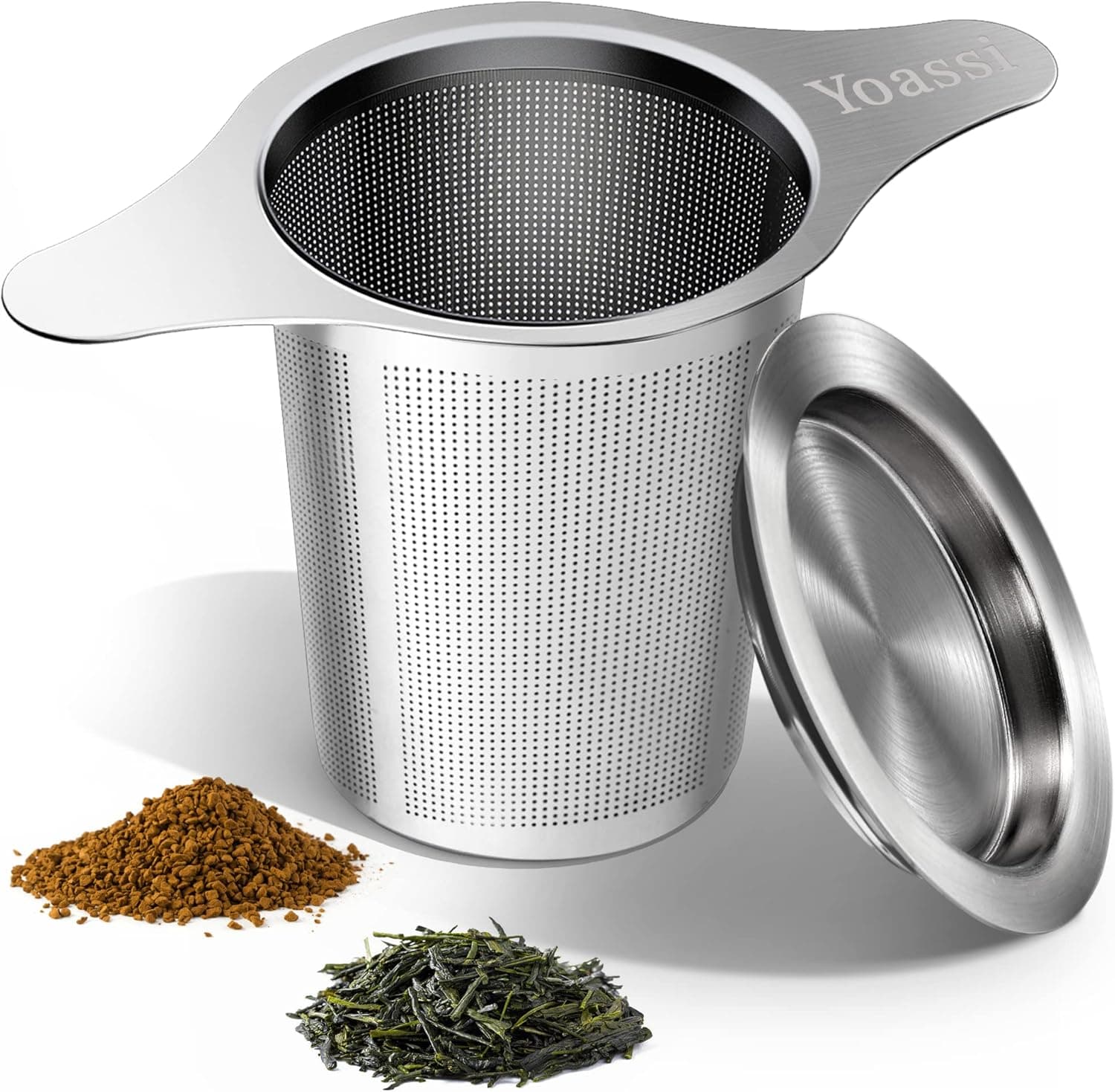
+ Double handles rest securely on most mug and teacup rims
From our guide: Best Loose Leaf Tea Essentials
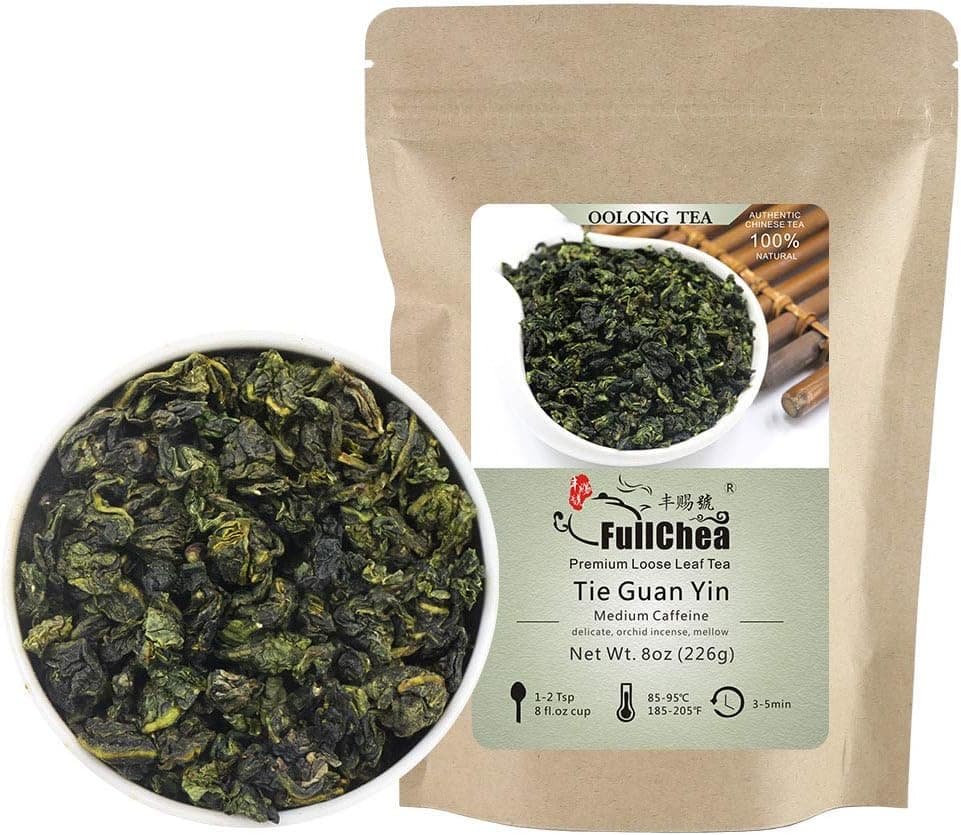
+ Anxi origin is the classic region for Tieguanyin oolong
From our guide: Best Oolong Tea: Light to Dark Styles Compared
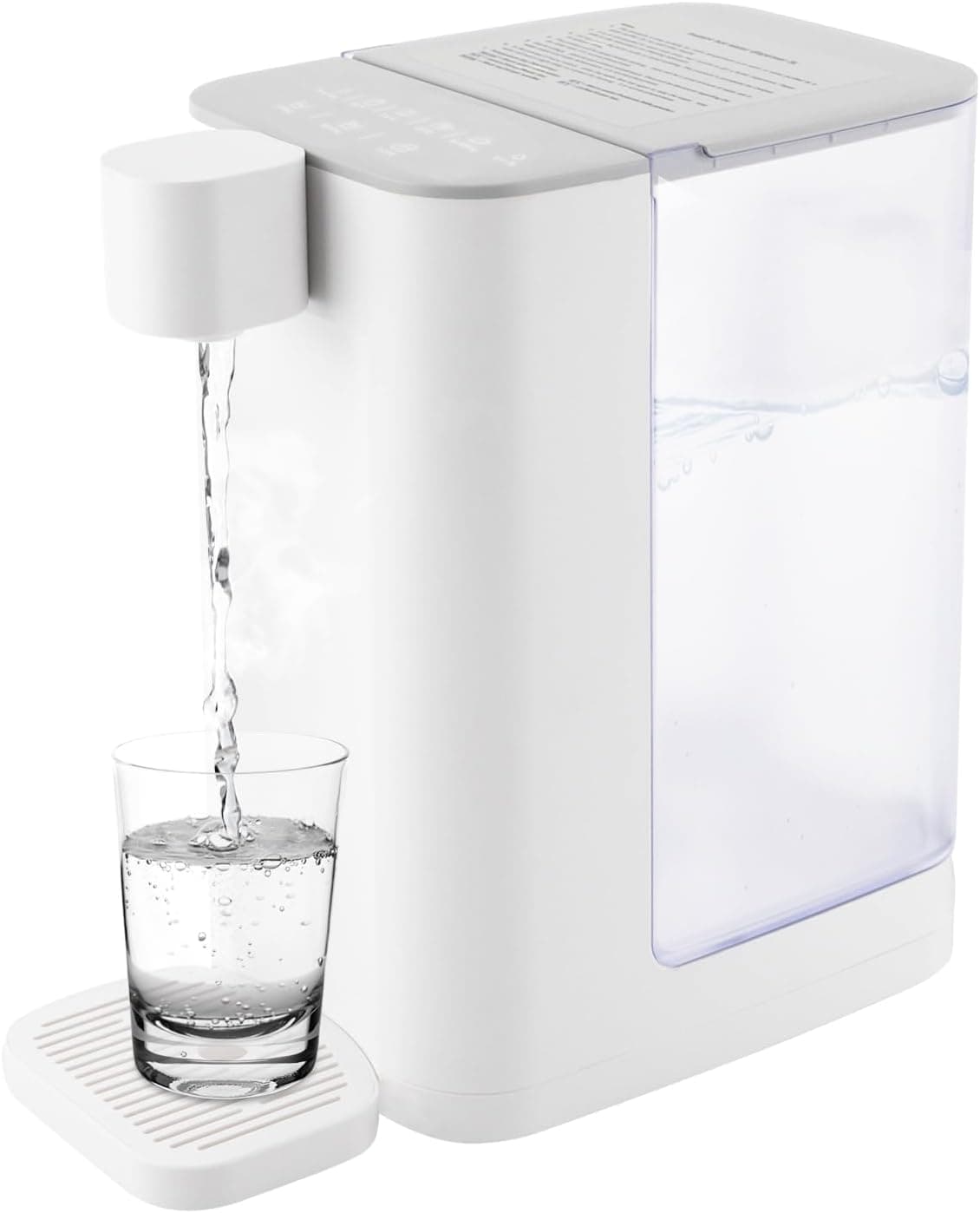
+ Adjustable 5 Temperatures let you choose cooler water for green tea
From our guide: Best Hot Water Dispensers
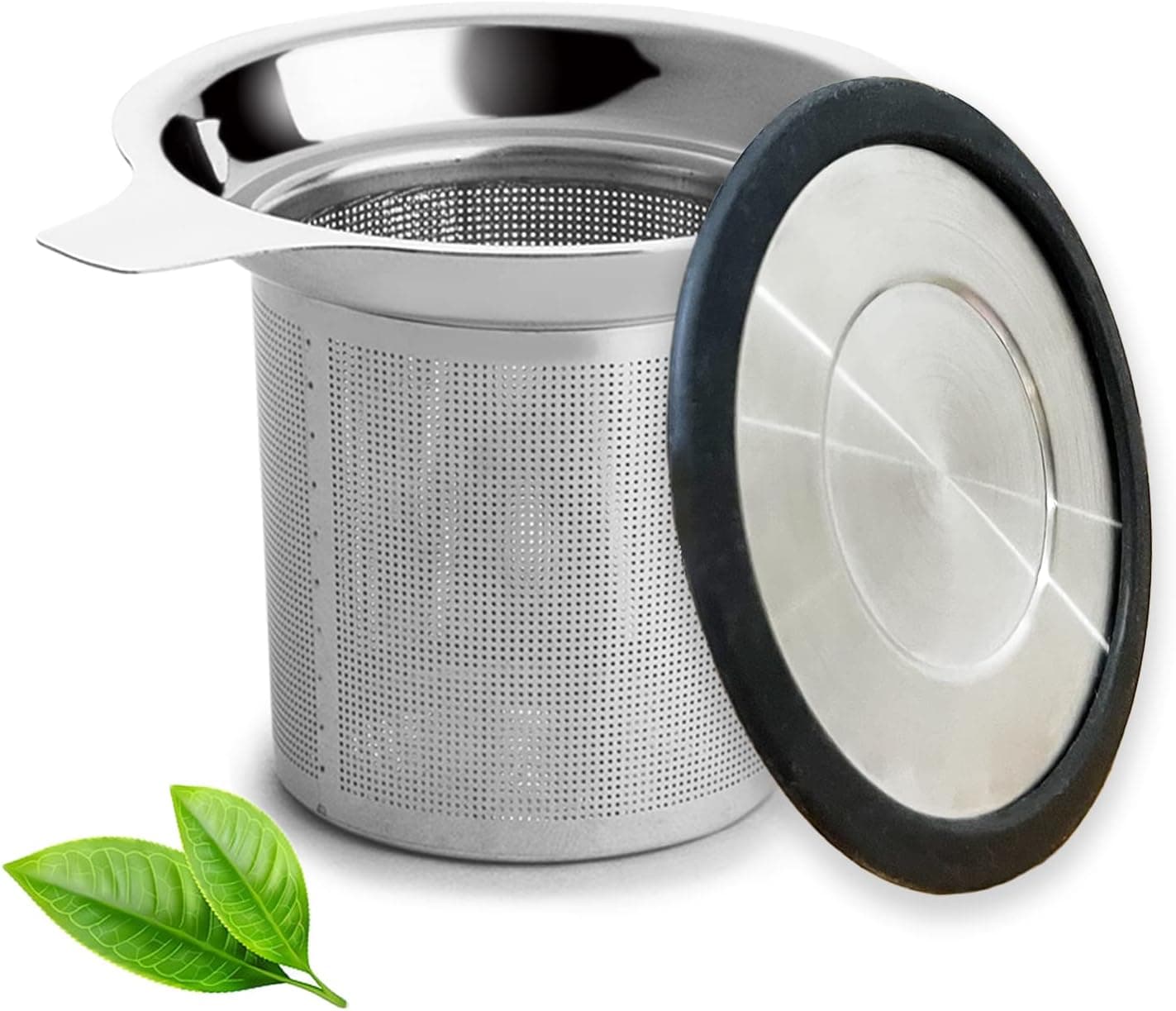
+ Basket shape gives whole leaves more space to unfurl than a tea ball
From our guide: Best Loose Leaf Tea Essentials
Start with the leaf-to-water ratio
Start with the leaf-to-water ratio. A reliable rule of thumb is one level teaspoon of leaf per eight ounces of water, though fluffy leaves like some white teas may need a heaped spoon and dense rolled oolongs slightly less. If you want to be precise, a small kitchen scale set to two to three grams per cup removes the guesswork. Adjust to taste over time, since your ideal strength is personal.
Water temperature matters as much as the leaf
Water temperature matters as much as the leaf itself. Delicate green and white teas prefer water around 160 to 175 degrees Fahrenheit, oolongs like 185 to 200, and black teas and herbal blends do best near a full boil. Water that is too hot scorches tender leaves and pulls out harsh, bitter compounds. If you do not own a variable-temperature kettle, boil the water and let it rest for a minute or two before pouring over greens.
Give the leaves room to move
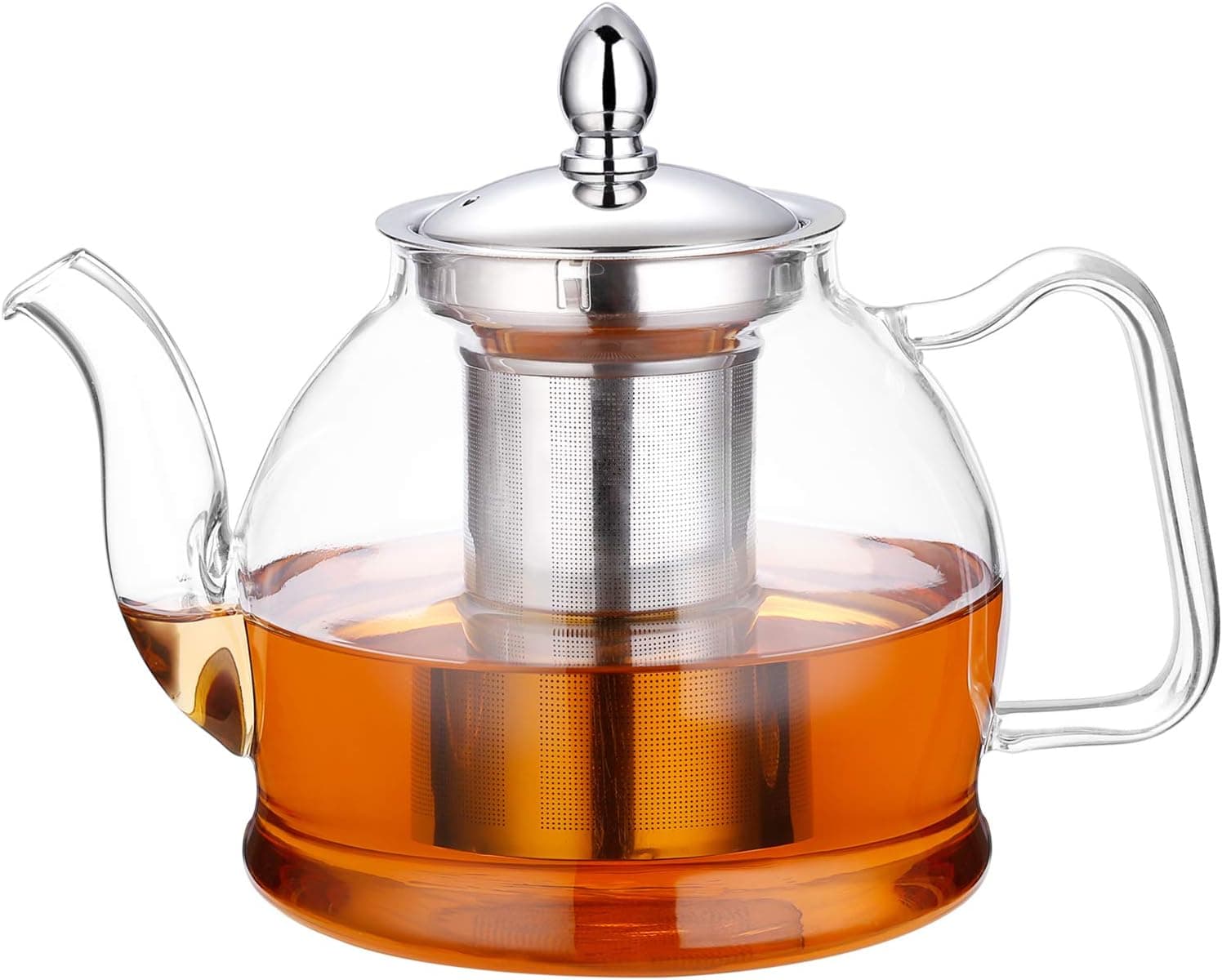
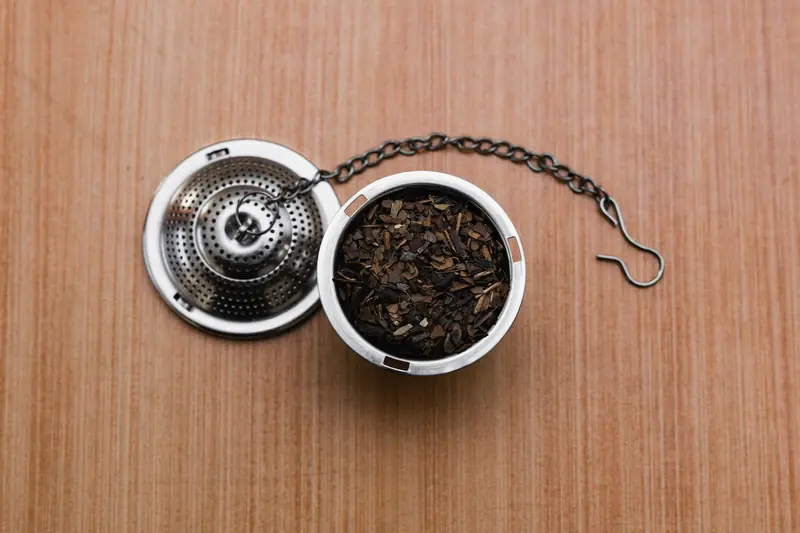
Give the leaves room to move. Cramming leaf into a tiny mesh ball chokes the flavor because the water cannot circulate. A basket infuser that fills most of the mug, a teapot with a wide internal strainer, or simply steeping the leaves loose and straining afterward all give better extraction. The leaves should be able to swirl and expand freely.
Time the steep rather than guessing
Time the steep rather than guessing. Green teas often need only one to three minutes, black teas three to five, and herbal tisanes five or more. Over-steeping is the most common mistake and leads to astringency and bitterness, so use a timer until you learn the rhythm of each tea. Taste a little early if you are unsure, and pull the leaves the moment it is right.
Remove the leaves once the steep is done
Once the steep is done, remove the leaves completely so the tea does not keep extracting in the cup. Many quality loose leaves can be re-steeped two or three times, often revealing new layers of flavor with each infusion, so do not throw them out after one round. Keep a small dish nearby to rest the infuser between steeps.
Practice tunes ratio, temperature, and time to taste
With practice these steps become automatic, and you will start tuning ratio, temperature, and time to your own taste. That is the real joy of loose leaf: it is a flexible craft, not a rigid recipe, and every cup is a chance to dial it in a little closer to perfect.
Frequently asked questions
What is the ratio of loose leaf tea to water? A reliable rule of thumb is one level teaspoon of leaf per eight ounces of water, though fluffy leaves like some white teas may need more and dense rolled oolongs slightly less.
What water temperature should I use for loose leaf tea? Delicate green and white teas prefer 160 to 175 degrees Fahrenheit, oolongs like 185 to 200, and black teas and herbal blends do best near a full boil.
Can you re-steep loose leaf tea? Yes, many quality loose leaves can be re-steeped two or three times, often revealing new layers of flavor with each infusion, so don't discard them after one round.
What is the most common mistake when brewing loose leaf tea? Over-steeping is the most common mistake and leads to astringency and bitterness, so time the steep with a timer rather than guessing until you learn the rhythm of each tea.
Popular right now
- Best Tea Storage TinsBuying guide
- Descaling a KettleArticle
- Tea-to-water ratio explainedGlossary
- Best Electric Tea KettlesBuying guide
- Best Glass Electric KettlesBuying guide
- Best Matcha Bowls: Chawan Picks for WhiskingBuying guide
Based on the last 28 days of search and visitor data.