How to Make a Matcha Latte at Home, Hot or Iced
Published How we research
To make a matcha latte, sift 1 to 2 teaspoons of matcha into a cup, whisk it with about 2 ounces of hot water (around 175F, not boiling) into a smooth paste, then add 6 to 8 ounces of steamed or cold milk. The paste step is what separates a smooth latte from a clumpy one, because matcha does not dissolve in milk. Everything else, from the milk you choose to the sweetener, is a matter of taste, and the sections below cover the amounts and the common mistakes.
Products from this article
The highest-scoring picks from the buying guides this article links to. Scores are our editorial assessment, not customer ratings.
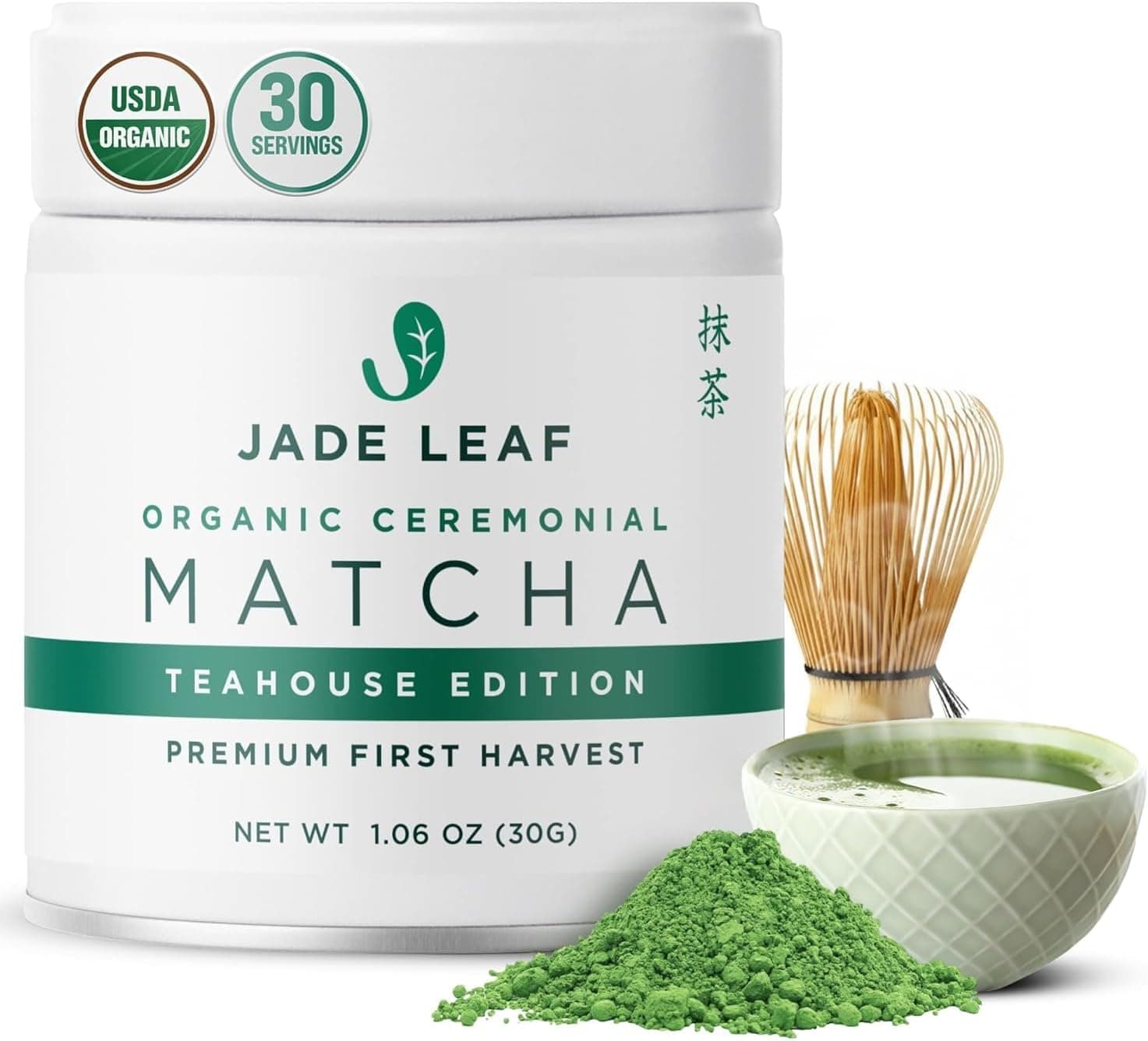
+ Jade Leaf is one of the most popular matcha brands in the US
From our guide: Best Matcha Powder: Ceremonial and Culinary Grades Compared
+ Single and Double heads let you choose light mixing or thicker foam
From our guide: Best Electric Matcha Frothers for Fast, Smooth Bowls
+ 100-Prong design creates fine foam for traditional usucha
From our guide: Best Matcha Whisks: Bamboo Chasen and Modern Picks
+ Electric Matcha Whisk + Milk Frother handles both matcha and latte foam
From our guide: Best Tea Latte Kits


What you need and how much to use
For one 8 to 10 ounce latte you need matcha powder, hot water, milk, and something to mix with. A common starting ratio is 1 to 2 teaspoons of matcha (roughly 2 to 4 grams), 2 ounces of hot water and 6 to 8 ounces of milk. Start at the low end of the range if you are new to matcha, because the flavor is vegetal and a little bitter, and milk softens it less than people expect.
A fine sieve helps more than any other piece of gear. Matcha clumps as it sits in the tin, and those clumps do not break up in milk. A small matcha sifter takes ten seconds and removes the most common reason for a gritty latte. For mixing you can use a traditional bamboo whisk, a small electric whisk or a handheld frother.
Which matcha to use for lattes
Grade labels vary by brand, but the usual split is ceremonial for drinking with water and culinary for cooking and milk drinks. Culinary grade is built to stand up to milk and sweetener, and it costs less per ounce, so it is a sensible choice for a daily latte. Ceremonial grade tastes smoother and sweeter, but much of that nuance is covered by milk.
Whichever you pick, look for a bright green color and a recent packing date. Dull, yellow-brown powder usually means old or oxidized matcha, which tastes flat and bitter in any recipe. Once opened, keep the tin sealed and out of light and heat, and use it within a month or two for the best flavor.
Step by step: the hot matcha latte
Heat water to about 175F. If you do not have a variable temperature kettle, boil the water and let it sit for a couple of minutes before using it. Water that is too hot scorches the powder and makes the latte bitter. Sift the matcha into a wide cup or bowl, add the 2 ounces of water, and whisk in a fast W or M motion for 15 to 20 seconds, until there are no lumps and a fine foam forms on top.
Warm or steam the milk until hot but not boiling, around 140 to 150F. If you have no steamer, heat it in a small pot or microwave and froth it with a handheld frother. Pour the milk into the matcha slowly. Add sweetener last, since matcha dissolves best in the concentrated paste, and a teaspoon of honey, maple syrup or simple syrup is plenty for most people.
Iced matcha latte
The iced version uses the same paste. Whisk the matcha with 2 ounces of warm water until smooth, because cold water will not dissolve the powder well. Fill a glass with ice, add 6 to 8 ounces of cold milk, and pour the matcha over the top. Stir before drinking, since the matcha settles quickly.
If you like it sweet, stir the sweetener into the warm matcha paste rather than into the cold milk, where honey and sugar do not dissolve well. A jar with a tight lid also works as a shaker: add the paste, ice and milk, and shake for ten seconds for a frothy result.
Choosing milk and sweetener
Whole milk gives a rounder, creamier latte and froths well. Oat milk is the popular dairy-free choice because it froths reasonably and its mild sweetness pairs with matcha's bitterness. Almond milk is lighter and can taste thin, while soy froths well but has a stronger flavor of its own. Barista editions of plant milks are made to steam and froth better than the standard cartons.
For sweetener, honey, maple syrup and simple syrup all work. Vanilla syrup is a common addition. Add a little at a time, since the goal is to take the edge off the bitterness without hiding the matcha. If you want an all-in-one option, a tea latte kit can include pre-blended powder and tools.
Common problems and fixes
Lumpy latte: the matcha was not sifted or the paste was skipped. Sift first and whisk with a small amount of water before adding milk. Bitter latte: the water was too hot, you used too much powder, or the matcha is old. Drop the temperature to 160 to 175F and cut the powder by a third. Weak, pale latte: use more matcha or less milk, or switch to a stronger culinary blend.
Flat, no foam: the whisk or frother is not reaching the surface, or the cup is too narrow. Use a wide bowl or cup and whisk near the top of the liquid. If you are making matcha regularly, a bamboo whisk with 80 to 100 prongs or an electric whisk makes a noticeable difference to the texture.
Frequently asked questions
How much matcha should I use in a latte? One to two teaspoons, or about 2 to 4 grams, per 8 to 10 ounce drink. Begin with one teaspoon and increase if the latte tastes weak.
Can I make a matcha latte without a whisk? Yes. A handheld electric frother or a lidded jar shaken hard will dissolve sifted matcha. Whisking by hand is not required, as long as you start with a smooth paste.
Is ceremonial matcha worth it for lattes? It is not necessary. Culinary grade is designed for milk drinks and costs less. Ceremonial is better kept for drinking with water, where its smoothness shows.
Does a matcha latte have caffeine? Yes, matcha is made from tea leaves and contains caffeine. A teaspoon or two typically has less than a cup of brewed coffee, but the amount varies by brand and serving size.
Popular right now
- Best Tea Storage TinsBuying guide
- Descaling a KettleArticle
- Tea-to-water ratio explainedGlossary
- Best Electric Tea KettlesBuying guide
- Best Glass Electric KettlesBuying guide
- Best Matcha Bowls: Chawan Picks for WhiskingBuying guide
Based on the last 28 days of search and visitor data.