Iced Tea Methods
Published How we research
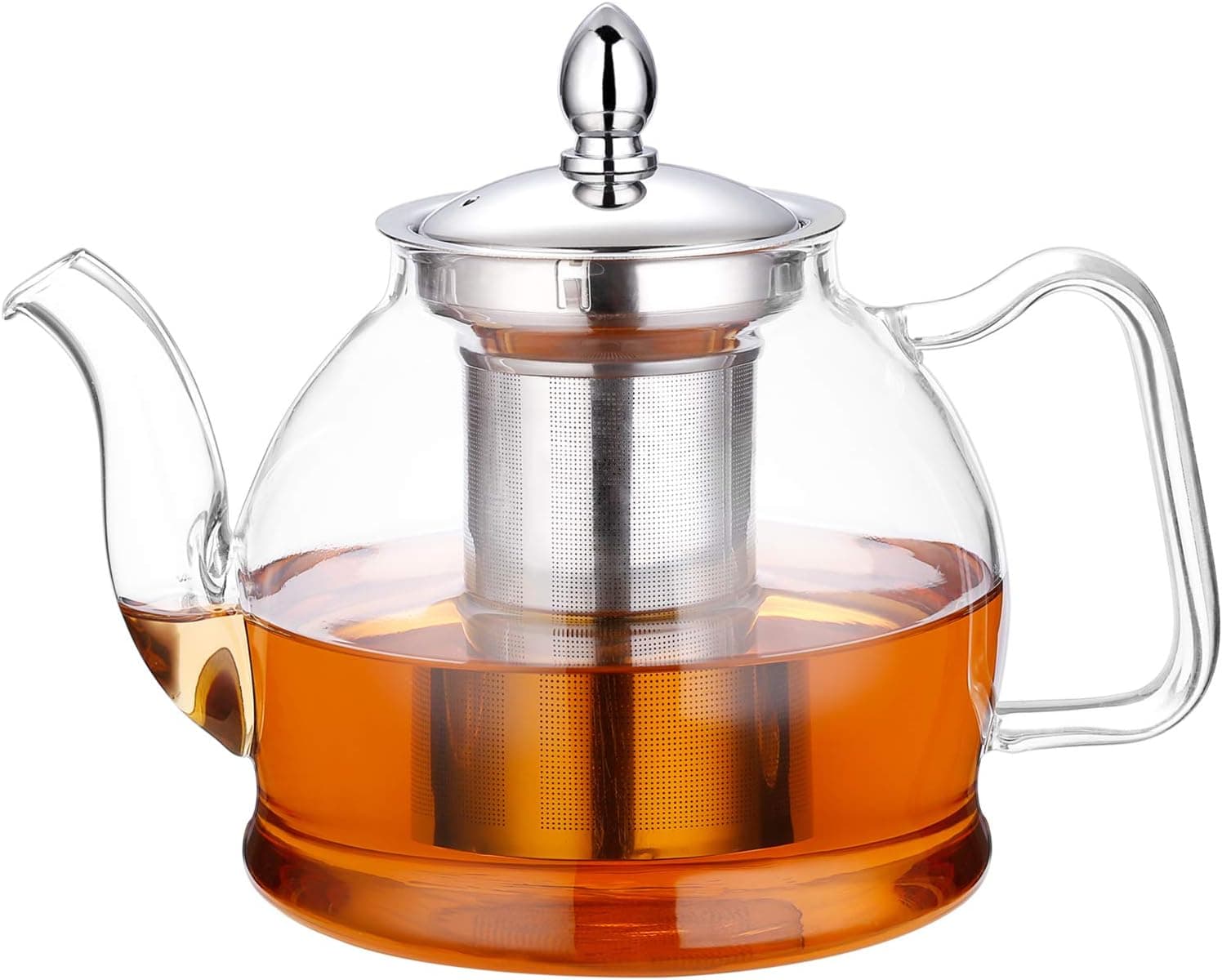
Iced tea is a refreshing staple, and making it at home from loose leaf gives you far better flavor and control than any bottled version. There are a few distinct methods to choose from, each with its own advantages. Knowing how they differ helps you pick the right one for your schedule and the taste you are after.
Products from this article
The highest-scoring picks from the buying guides this article links to. Scores are our editorial assessment, not customer ratings.
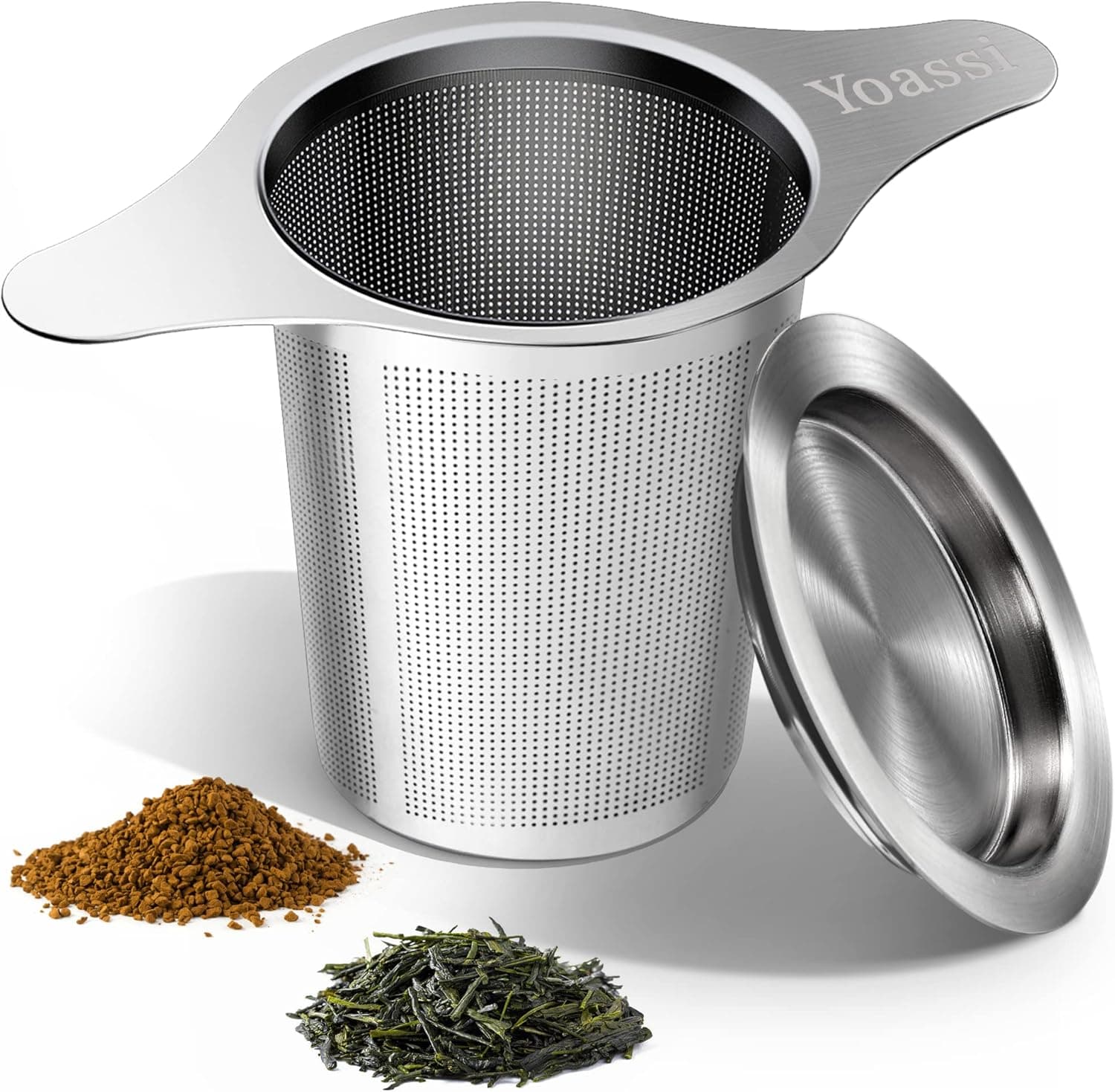
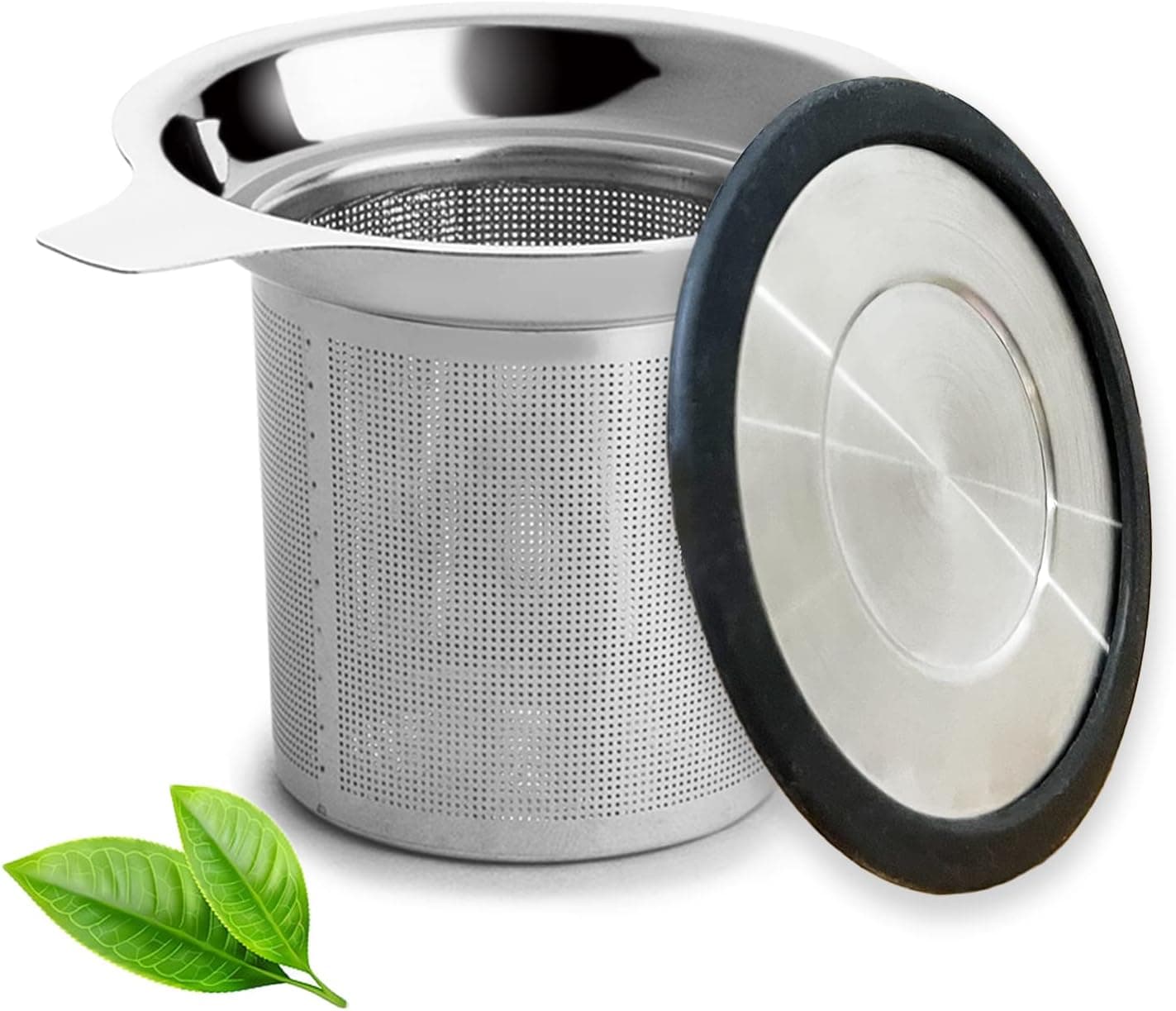
+ Double handles rest securely on most mug and teacup rims
From our guide: Best Loose Leaf Tea Essentials
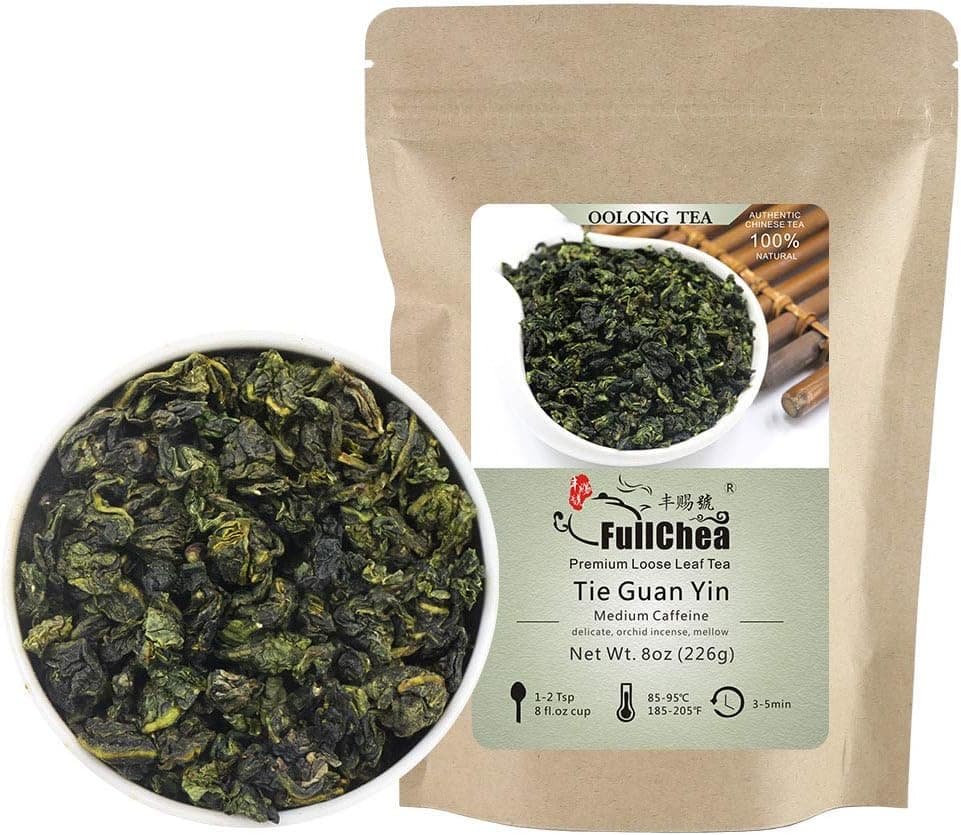
+ Anxi origin is the classic region for Tieguanyin oolong
From our guide: Best Oolong Tea: Light to Dark Styles Compared
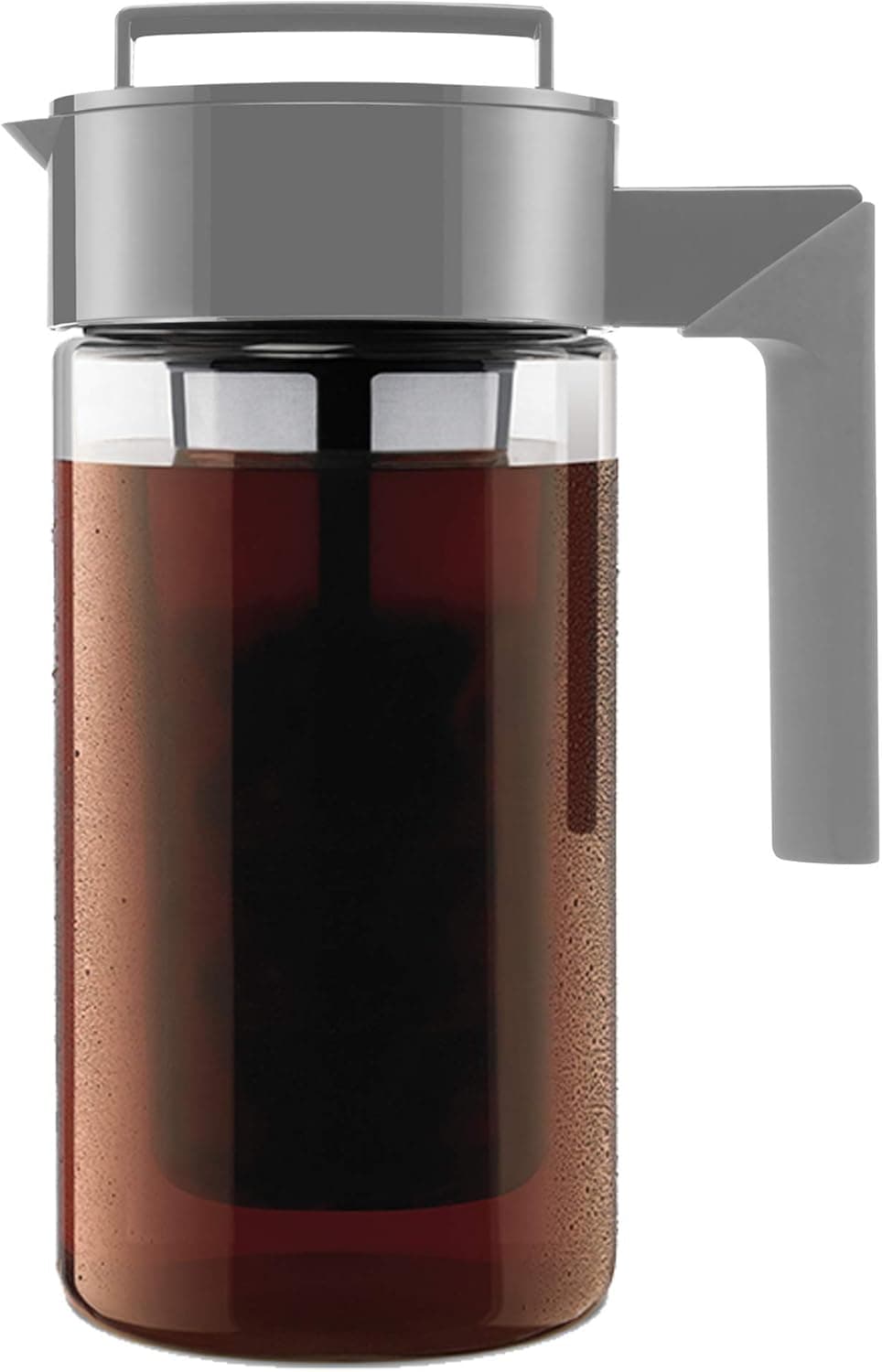
+ Takeya is a trusted name in cold brew and iced tea pitchers
From our guide: Best Cold Brew Tea Makers
+ Basket shape gives whole leaves more space to unfurl than a tea ball
From our guide: Best Loose Leaf Tea Essentials
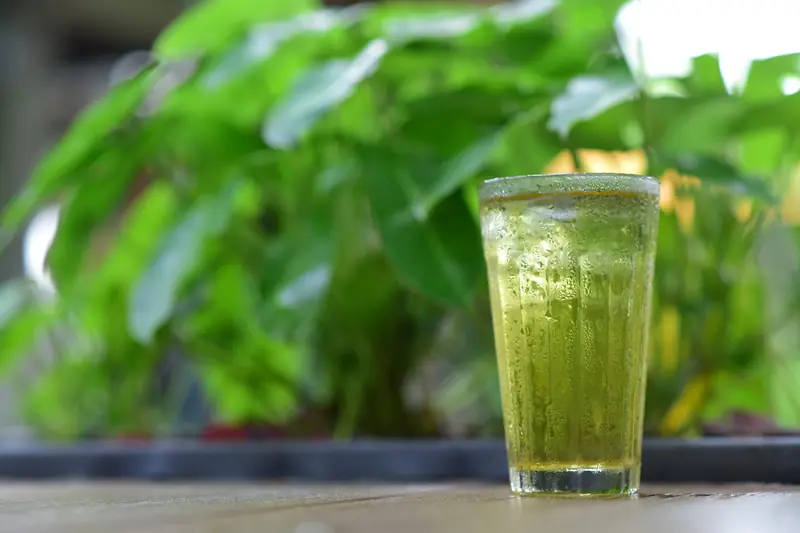
The most familiar method is hot brewing, then chilling. You brew a strong batch of hot tea and then cool it, either in the refrigerator or by pouring it over ice. Because ice dilutes the tea as it melts, the key is to brew at double strength, using twice the leaf or half the water, so the finished iced tea is not watery once the ice has done its work.
A refinement of that approach is the flash chill or Japanese method, which brews hot and chills instantly. You brew concentrated hot tea directly over a glass filled with ice, so the tea cools the moment it is made. This locks in the fresh, aromatic qualities that can fade when tea sits and cools slowly, and it is fast, delivering a bright glass of iced tea in minutes rather than hours.
Cold brewing is the low-effort alternative that trades speed for smoothness. You steep the leaves in cold water in the refrigerator for several hours, and the slow, cool extraction produces a naturally sweet, low-bitterness tea. It requires planning ahead but almost no active work, and it is very forgiving, which makes it a favorite for keeping a ready pitcher on hand through warm weather.
One common frustration with iced tea is cloudiness. When some hot-brewed teas are chilled quickly, caffeine and tannins can bind and create a hazy look, sometimes called tea cream. It is harmless and does not affect flavor much, but if clear tea matters to you, letting hot tea cool gradually to room temperature before refrigerating, or using the cold brew method, keeps it looking bright.
Avoiding bitterness comes down to the same fundamentals as hot tea. Do not over-steep, and match the water temperature to the tea type when brewing hot. Cold brew sidesteps this issue almost entirely, since cold water extracts far fewer of the harsh tannins that cause bitterness, which is why cold-brewed iced tea so often tastes mellow and sweet without any added sugar.
You can dress up any of these methods with fresh additions. Mint, citrus slices, cucumber, or a handful of berries steeped alongside the leaves add natural flavor without artificial syrups. Whichever method you choose, store finished iced tea in the fridge and drink it within a few days. With a little practice you will find the method that fits your routine and delivers the crisp, flavorful glass that store-bought simply cannot match.
Popular right now
- Best Tea Storage TinsBuying guide
- Descaling a KettleArticle
- Tea-to-water ratio explainedGlossary
- Best Electric Tea KettlesBuying guide
- Best Glass Electric KettlesBuying guide
- Best Matcha Bowls: Chawan Picks for WhiskingBuying guide
Based on the last 28 days of search and visitor data.