Matcha Grades Explained
Published How we research
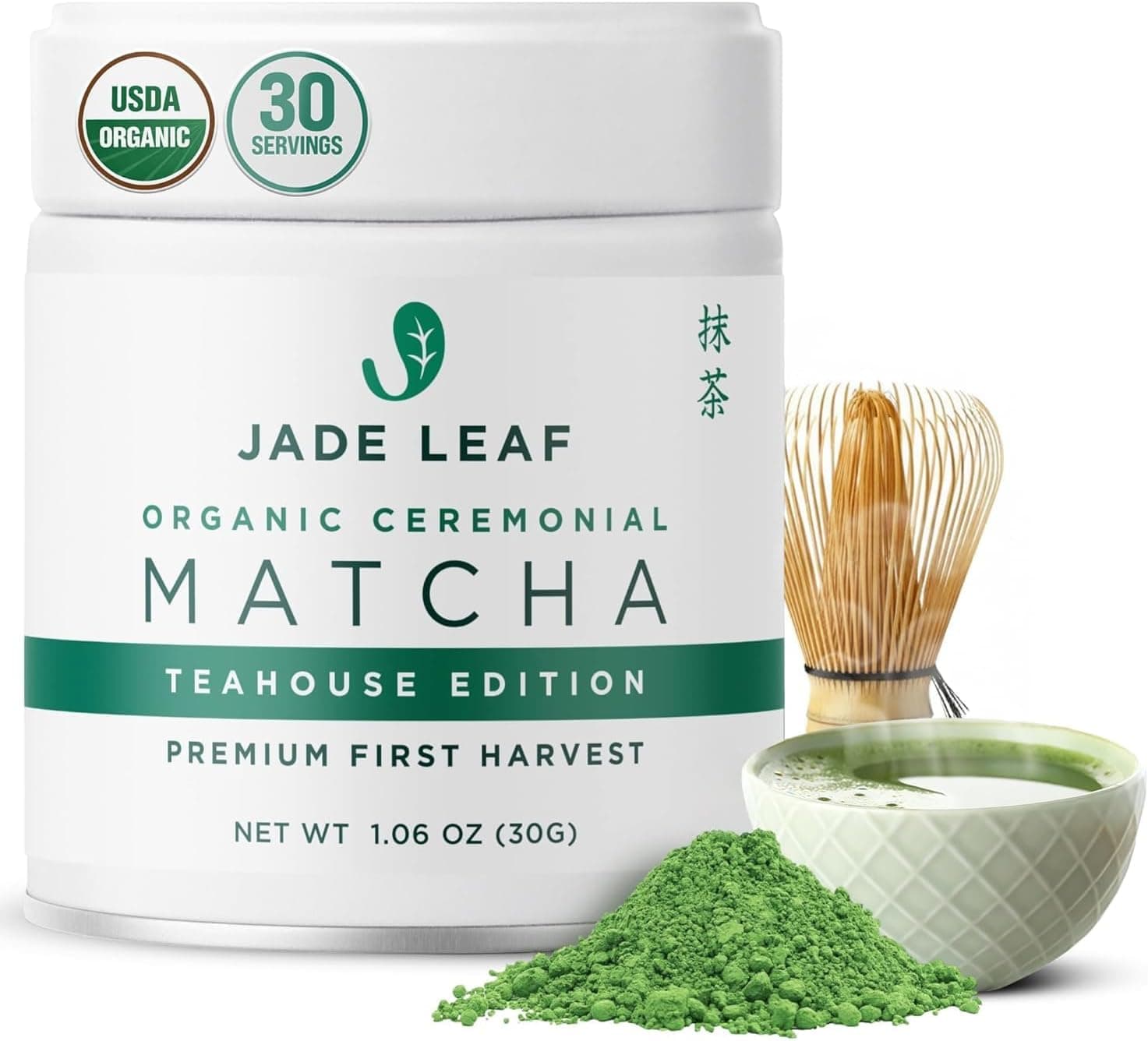
Walk into any tea shop and you will see matcha sold under labels like ceremonial and culinary, often at wildly different prices. These grades are not tightly regulated, but they do describe real differences in how the tea is grown, processed, and best used. Understanding them helps you avoid overpaying for baking powder or ruining a delicate tea in a smoothie.
Products from this article
The highest-scoring picks from the buying guides this article links to. Scores are our editorial assessment, not customer ratings.
+ Jade Leaf is one of the most popular matcha brands in the US
From our guide: Best Matcha Powder: Ceremonial and Culinary Grades Compared
+ USDA & JAS Organic certifications cover both US and Japanese standards
From our guide: Best Ceremonial Matcha Sets for a Complete Ritual
+ Mild Natural Sweetness suits people new to straight matcha
From our guide: Best Matcha Powder: Ceremonial and Culinary Grades Compared
+ Dual USDA & JAS Organic certification adds sourcing confidence
From our guide: Best Ceremonial Matcha Sets for a Complete Ritual
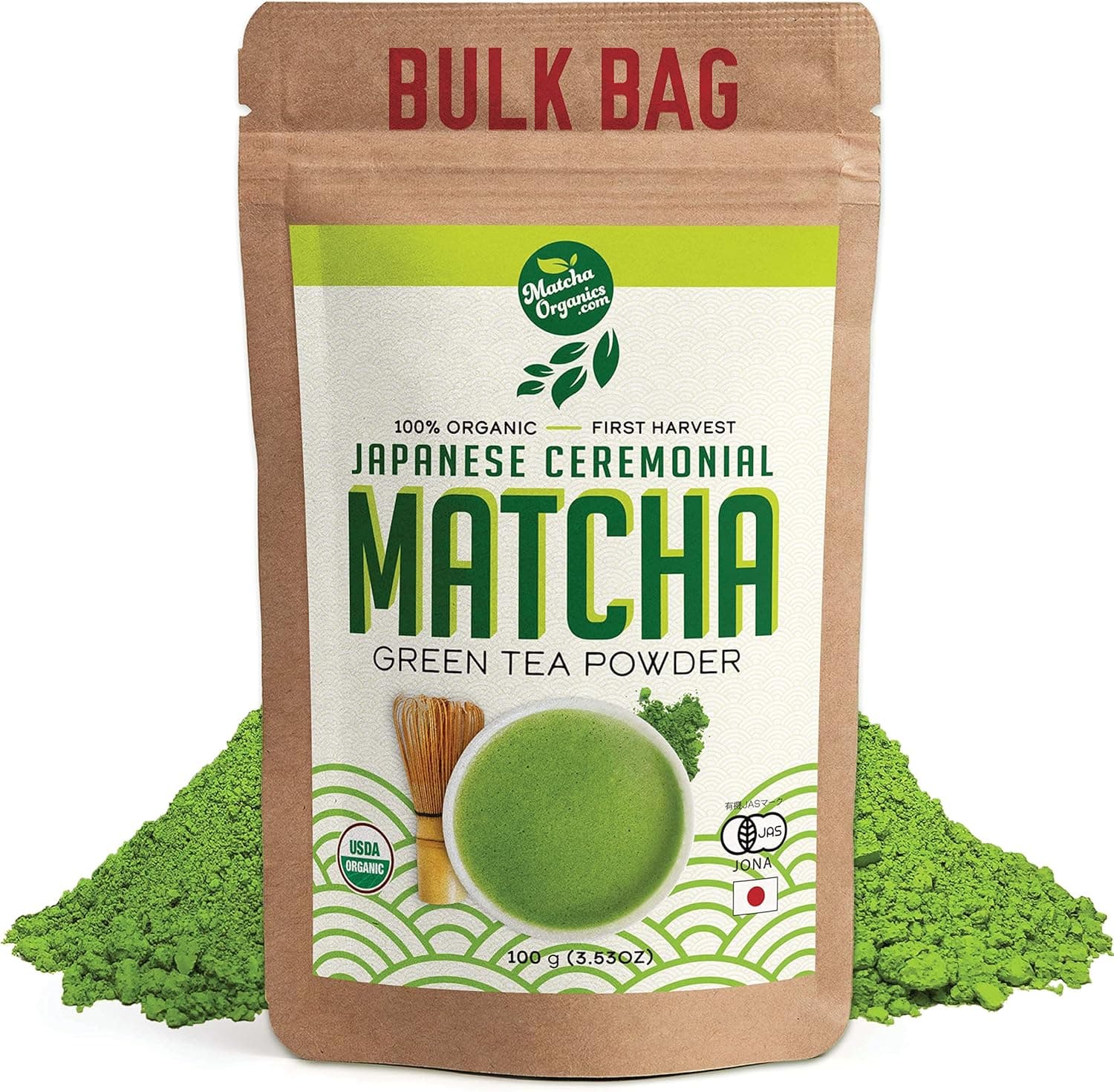
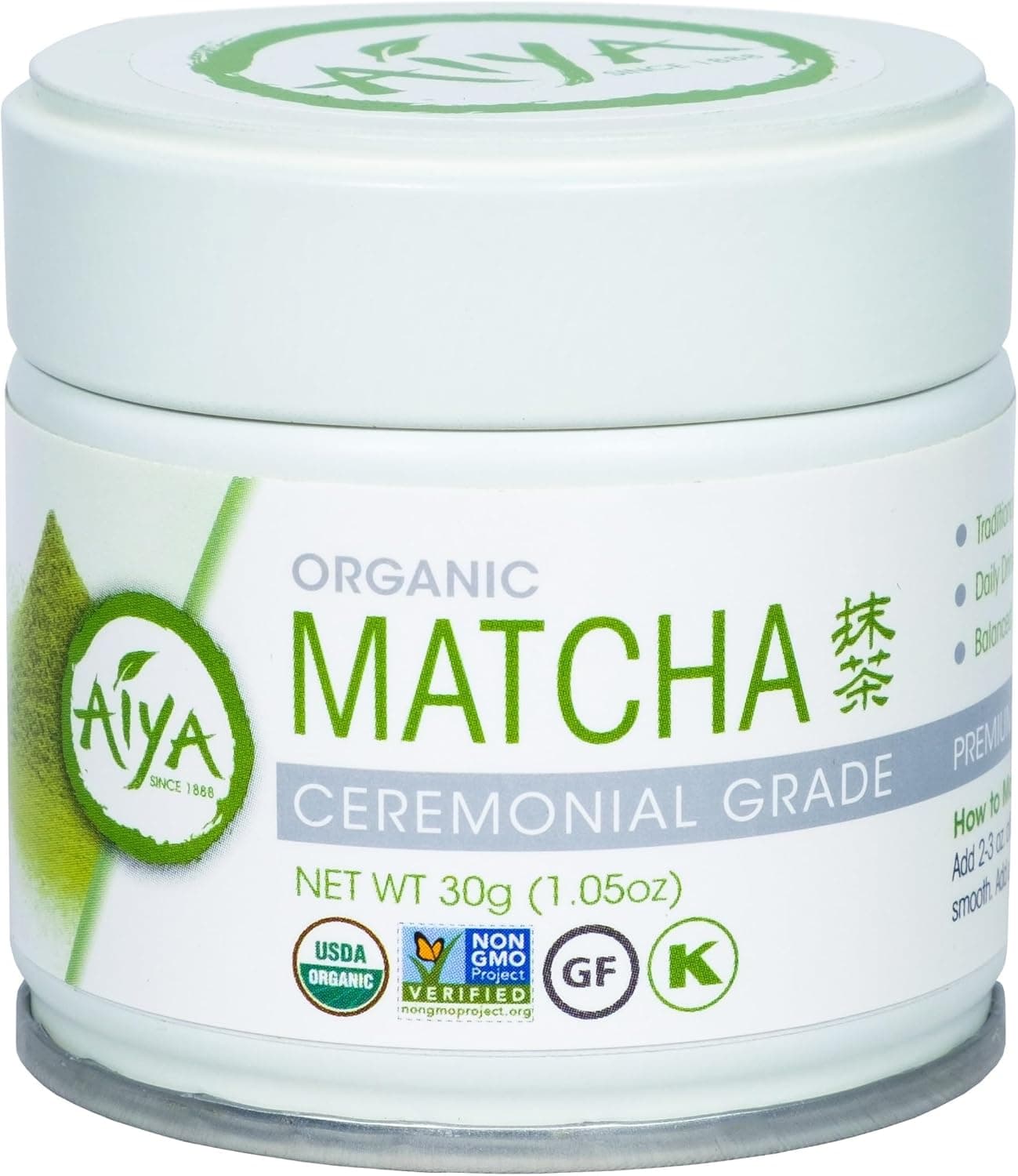
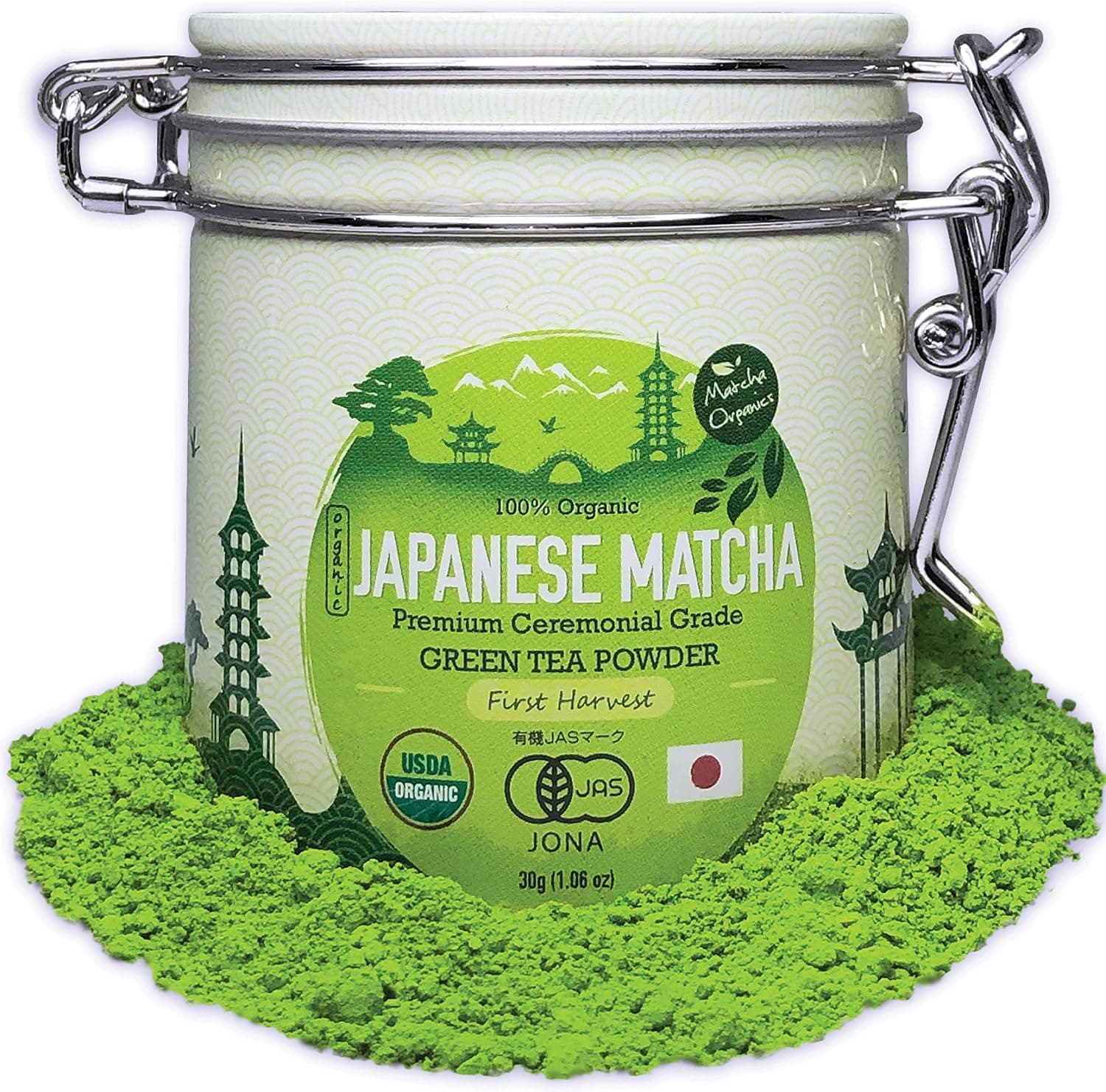
Ceremonial grade is the highest tier, made from the youngest tea leaves harvested in the first spring picking. The leaves are shade-grown for weeks before harvest, then destemmed, deveined, and stone-ground into an ultra-fine powder. The result is a vivid jade green color, a smooth and naturally sweet flavor, and a fine texture meant to be whisked with just water and sipped on its own.
Culinary grade is made from later harvests and slightly more mature leaves. It has a stronger, more astringent, sometimes bitter flavor and a duller green color. This is not a defect; the bolder taste is actually an advantage when the matcha has to stand up to milk, sugar, or other ingredients. Using expensive ceremonial matcha in a sweet latte or a batch of cookies largely wastes its subtlety.
Color is one of the most reliable quick tests of quality. High-grade matcha is a bright, almost electric green thanks to the high chlorophyll and amino acid content produced by shading. Dull, yellowish, or olive-toned powder usually signals older leaves, poor storage, or lower quality, and it will taste flatter and more bitter in the cup.
Texture and aroma tell you more. Fine ceremonial matcha feels silky, almost like eyeshadow, and clumps less when sifted, while coarser powders feel gritty. A fresh, high-quality matcha smells sweet and vegetal, with notes some describe as marine or grassy in a pleasant way. A hay-like or stale smell is a warning sign that the powder is old.
Within these broad categories you will also see intermediate labels like premium or latte grade, which sit between the two extremes. Because the terms are not standardized, the best approach is to match the matcha to your intended use rather than chasing the fanciest label. Buy a smooth ceremonial grade if you plan to whisk and drink it straight, and a robust culinary or latte grade for milk drinks and baking.
Finally, remember that even the best matcha is perishable. It oxidizes and fades in flavor and color once exposed to air, light, and heat, so buy in small quantities, choose a recent harvest date when you can, and store it sealed in the fridge. A modest culinary grade that is fresh will often outperform a premium grade that has been sitting open for months.
Popular right now
- Best Tea Storage TinsBuying guide
- Descaling a KettleArticle
- Tea-to-water ratio explainedGlossary
- Best Electric Tea KettlesBuying guide
- Best Glass Electric KettlesBuying guide
- Best Matcha Bowls: Chawan Picks for WhiskingBuying guide
Based on the last 28 days of search and visitor data.