Re-Steeping Tea Leaves
Published How we research
One of the quiet advantages of loose-leaf tea over teabags is that quality leaves can be steeped more than once. Each re-steep, also called a re-infusion, draws out a new dimension of flavor while stretching your tea further. Learning to re-steep well means better value and a more interesting tasting experience from a single portion of leaf.
Products from this article
The highest-scoring picks from the buying guides this article links to. Scores are our editorial assessment, not customer ratings.
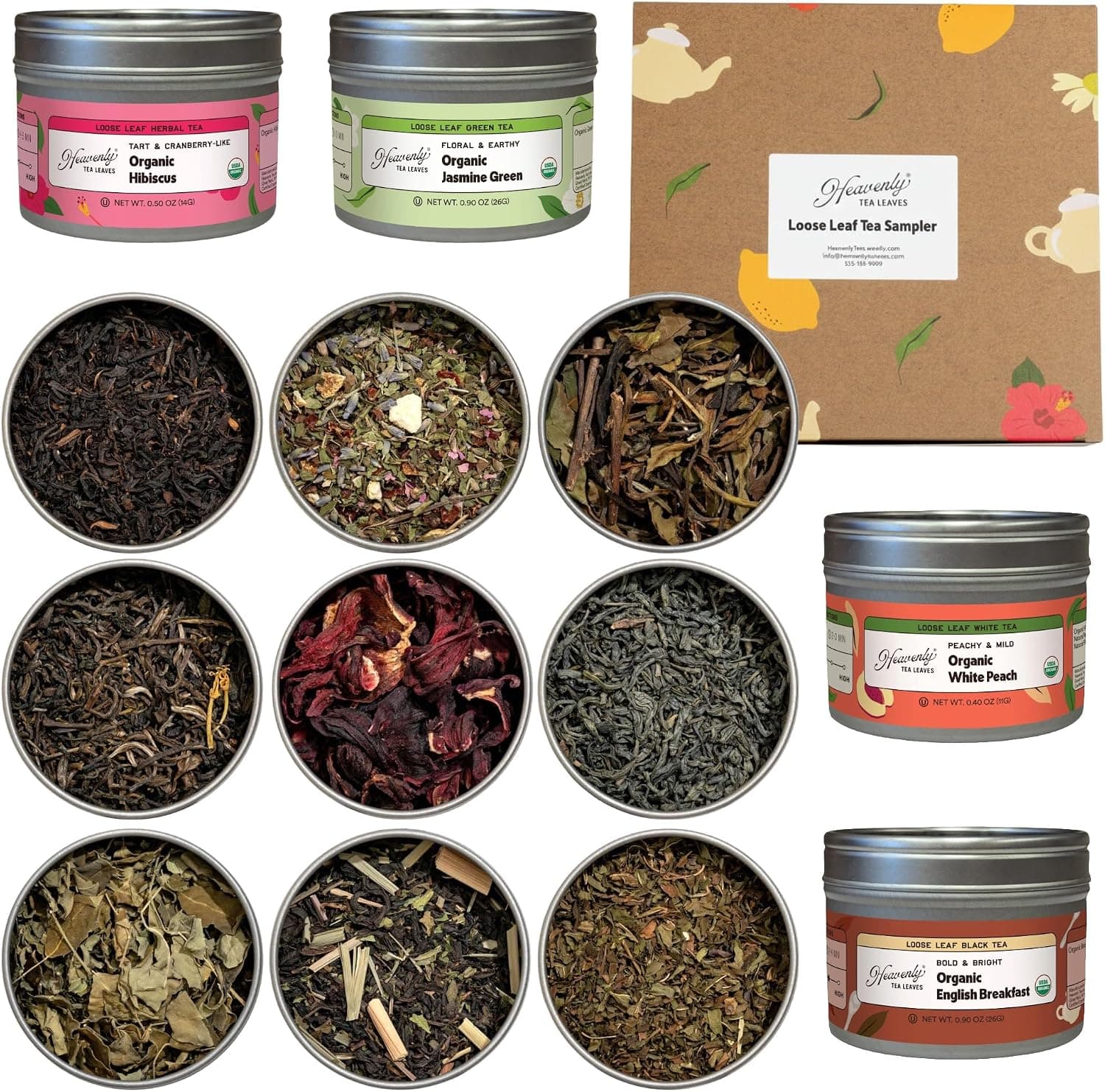
+ 9 Flavor Variety Pack covers a wide range of teas and tisanes
From our guide: Best Tea Sampler Sets to Explore New Flavors
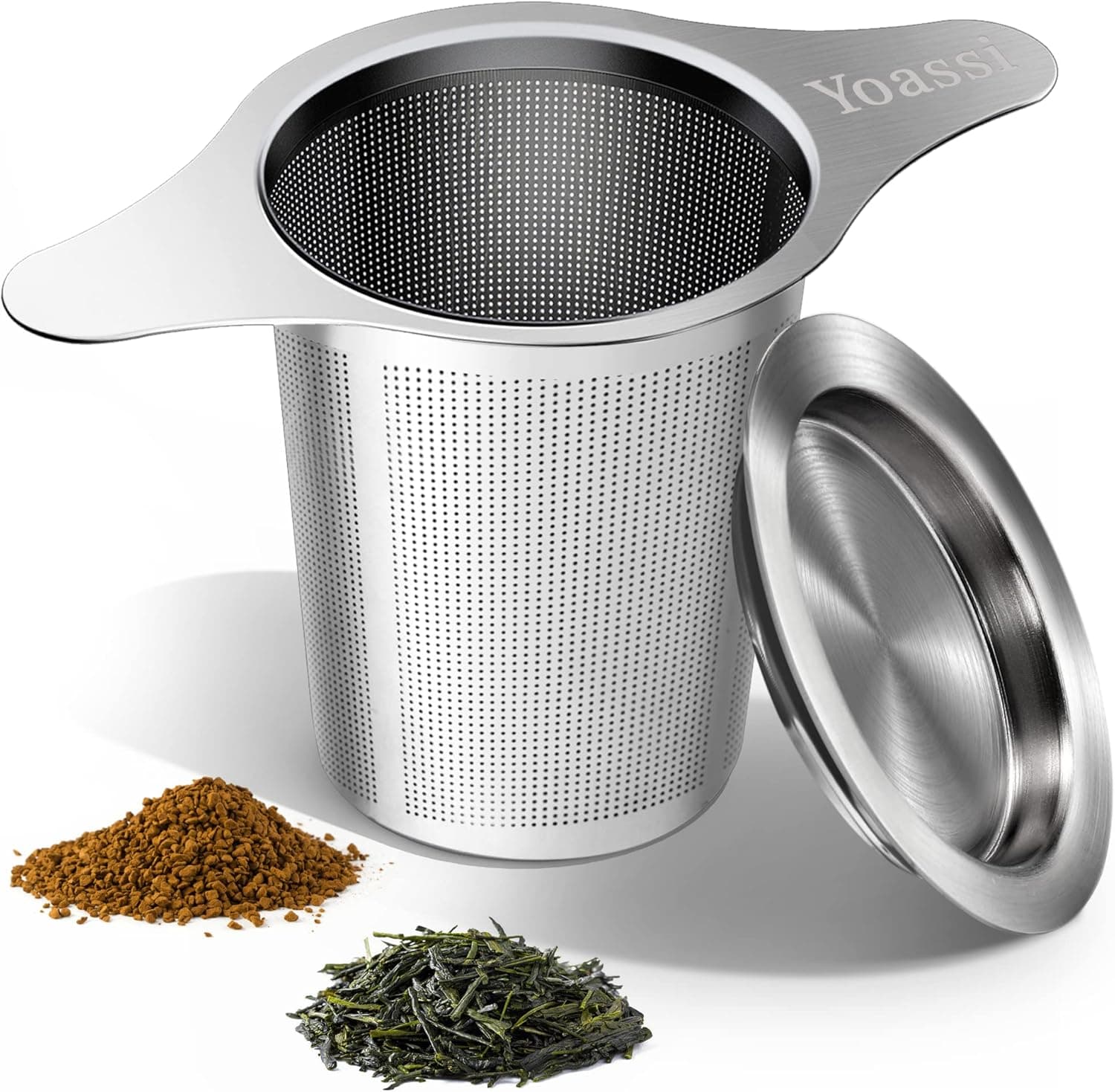
+ Double handles rest securely on most mug and teacup rims
From our guide: Best Tea Strainers
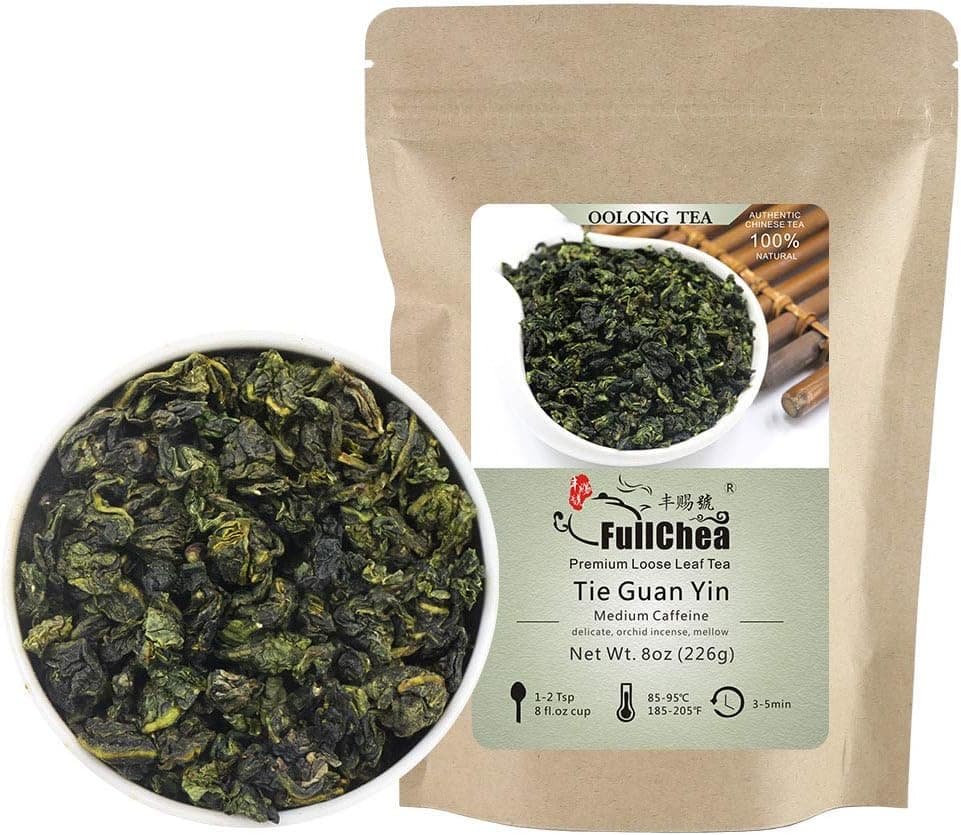
+ Anxi origin is the classic region for Tieguanyin oolong
From our guide: Best Oolong Tea: Light to Dark Styles Compared
+ Vacuum Sealed packs keep each tea fresh until opened
From our guide: Best Tea Sampler Sets to Explore New Flavors

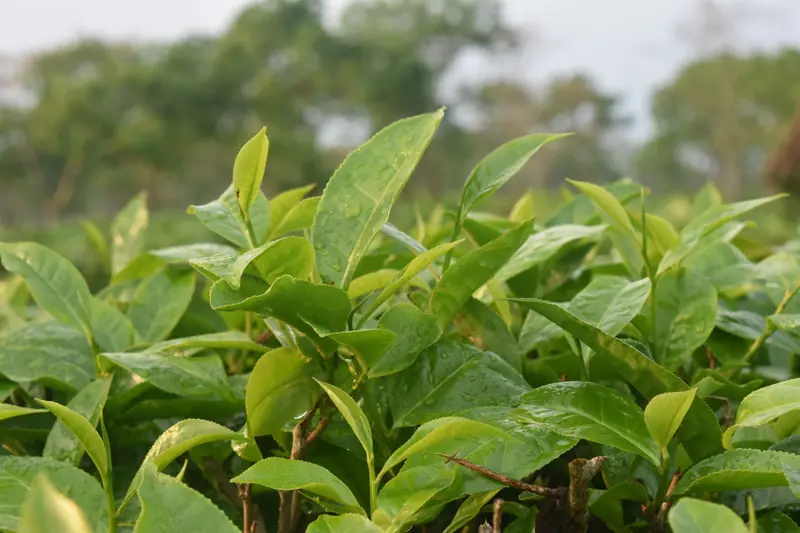
The reason re-steeping works is that a single short steep does not exhaust the leaves. Whole, unbroken loose leaves release their compounds gradually, so plenty of flavor, aroma, and even caffeine remain after the first cup. Teabags, which contain small broken fragments, give up most of their flavor at once and rarely re-steep well, which is why loose leaf is uniquely suited to this practice.
Different teas re-steep to different degrees. Oolong and pu-erh are the champions, often yielding five, eight, or more infusions, with tightly rolled oolongs slowly unfurling over the course of a session. Green, white, and quality black teas typically give two or three good steeps. Broken or low-grade teas and most flavored blends offer little beyond the first cup.
The key adjustment for re-steeping is time. Because the leaves are already saturated and partly spent, later steeps generally need to be a bit longer than the first to reach a satisfying strength. A common approach is to add a small increment of time with each successive infusion, tasting as you go to judge when the flavor has been drawn out fully.
Temperature can be nudged up slightly for later steeps of the same tea, since the leaves give up their remaining flavor more reluctantly. This is especially true for rolled oolongs and compressed pu-erh, which benefit from consistent hot water to keep opening up. For delicate greens, however, keep the water gentle throughout to avoid turning the later cups bitter.
Timing across a day matters too. It is best to re-steep leaves within the same sitting or at least the same day. If you leave wet leaves sitting for hours, especially at room temperature, they can develop off-flavors and are no longer pleasant or advisable to brew. Keep the session moving, or refrigerate the leaves briefly if you must pause, and finish them promptly.
Re-steeping turns tea into a small ritual of discovery, since the second and third infusions often reveal sweetness or subtlety hidden in the first. It also makes premium leaf far more economical, since one generous portion can serve an entire afternoon. The next time you brew good loose leaf, resist tossing it after one cup, add a little time, and pour again to see what the leaves still have to give.
Popular right now
- Best Tea Storage TinsBuying guide
- Descaling a KettleArticle
- Tea-to-water ratio explainedGlossary
- Best Electric Tea KettlesBuying guide
- Best Glass Electric KettlesBuying guide
- Best Matcha Bowls: Chawan Picks for WhiskingBuying guide
Based on the last 28 days of search and visitor data.