Water Temperature by Tea Type
Published How we research
Water temperature is the single most overlooked variable in home tea brewing. Use water that is too hot and delicate leaves turn bitter and grassy; use water that is too cool and robust leaves taste thin and underdeveloped. Matching the temperature to the tea type is the fastest way to improve almost any cup.
Products from this article
The highest-scoring picks from the buying guides this article links to. Scores are our editorial assessment, not customer ratings.
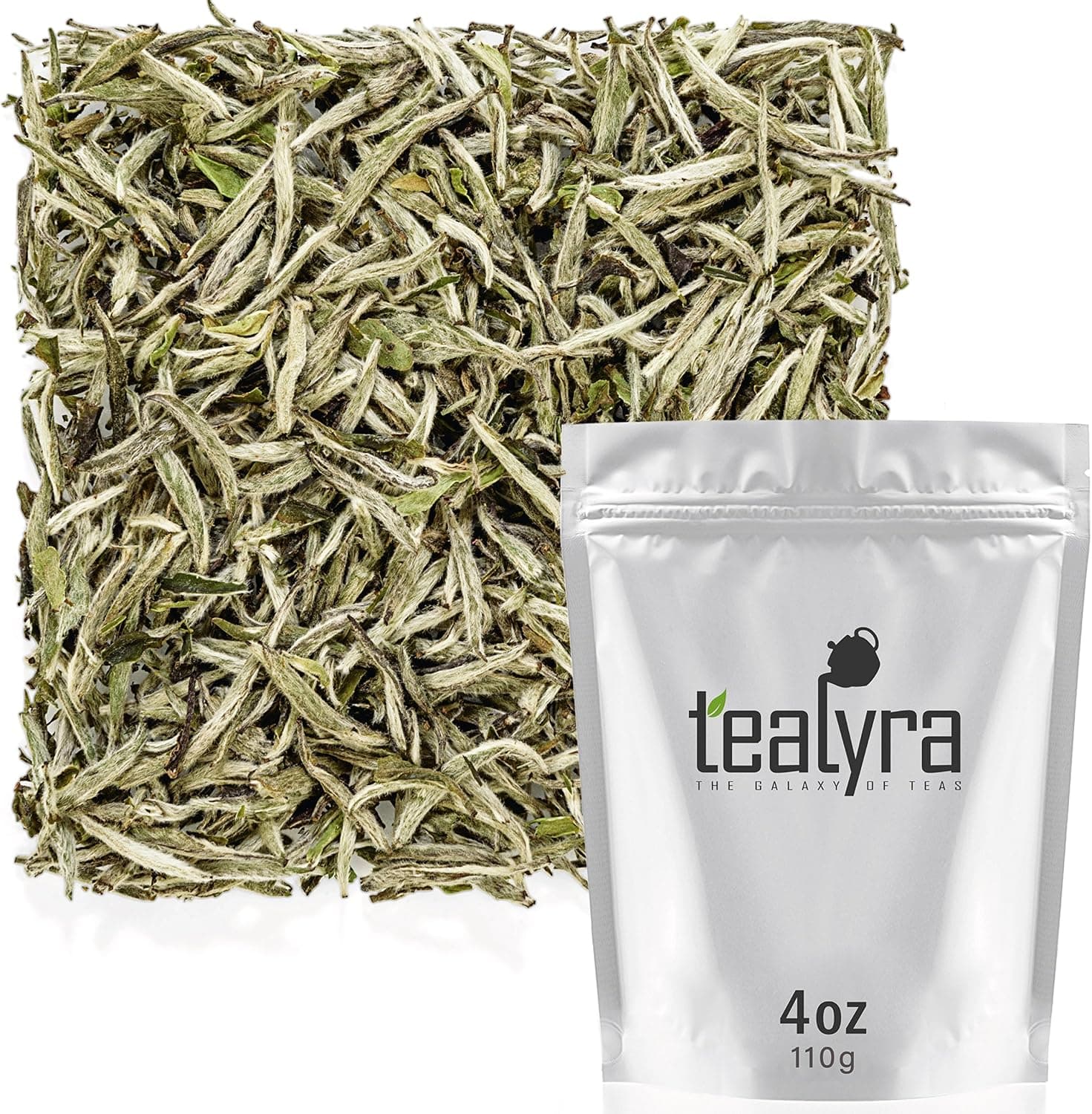
+ Bai Hao Yinzhen is the classic all-bud silver needle white tea
From our guide: Best White Tea: Delicate Loose Leaf Picks
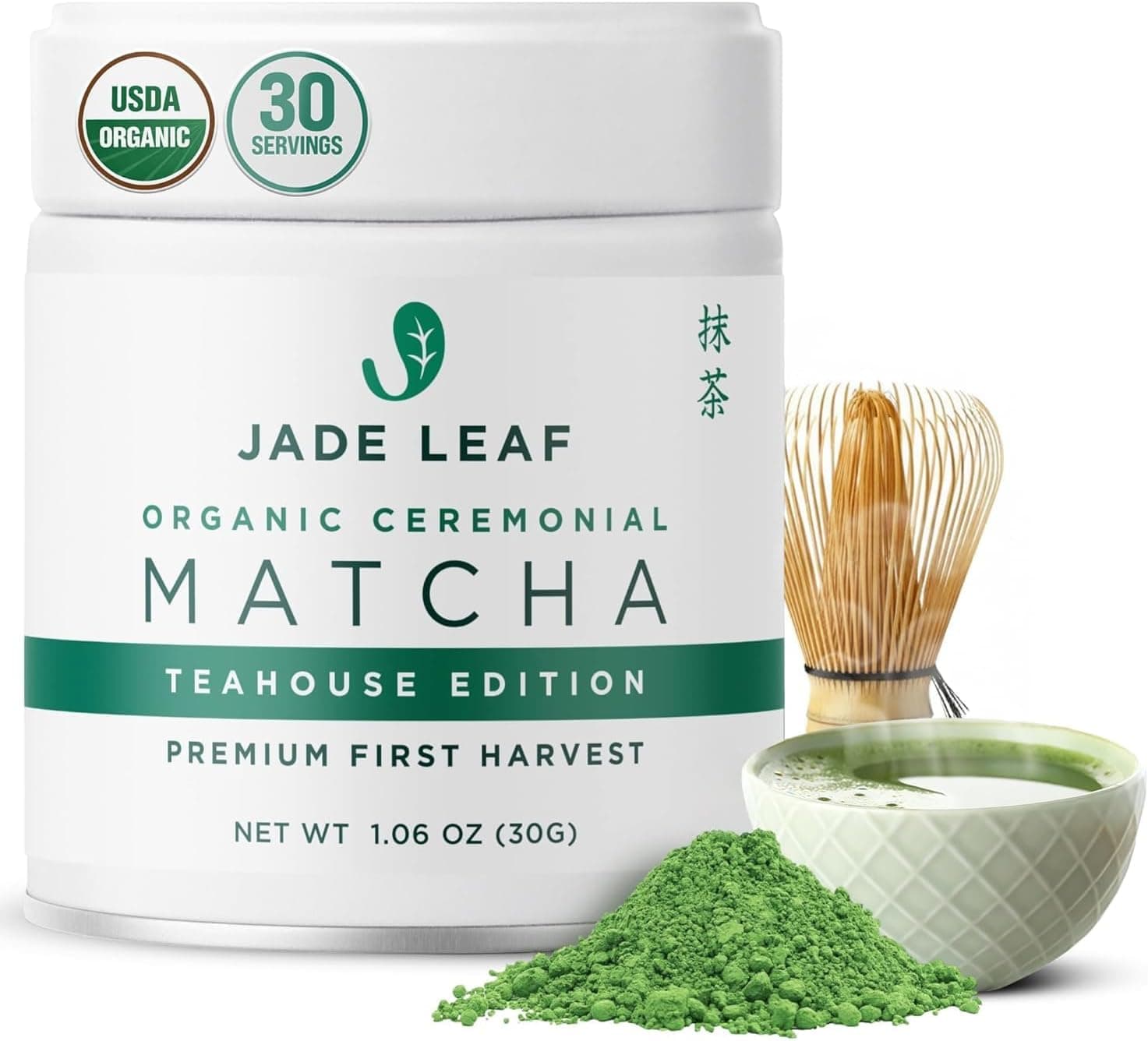
+ Jade Leaf is one of the most popular matcha brands in the US
From our guide: Best Matcha Powder: Ceremonial and Culinary Grades Compared
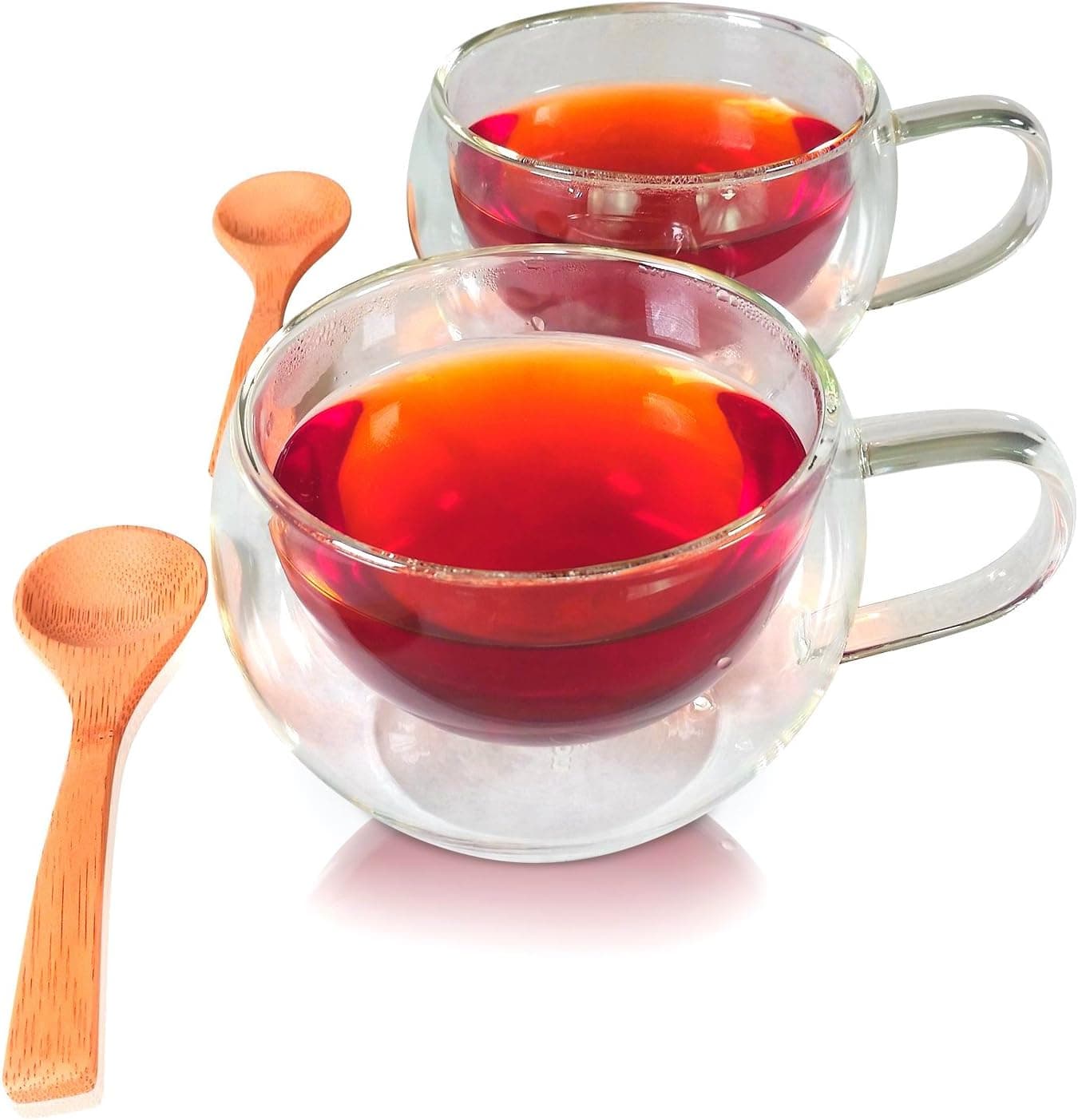
+ Bamboo Teaspoons included add a nice finishing touch
From our guide: Best Double Wall Glass Teacups
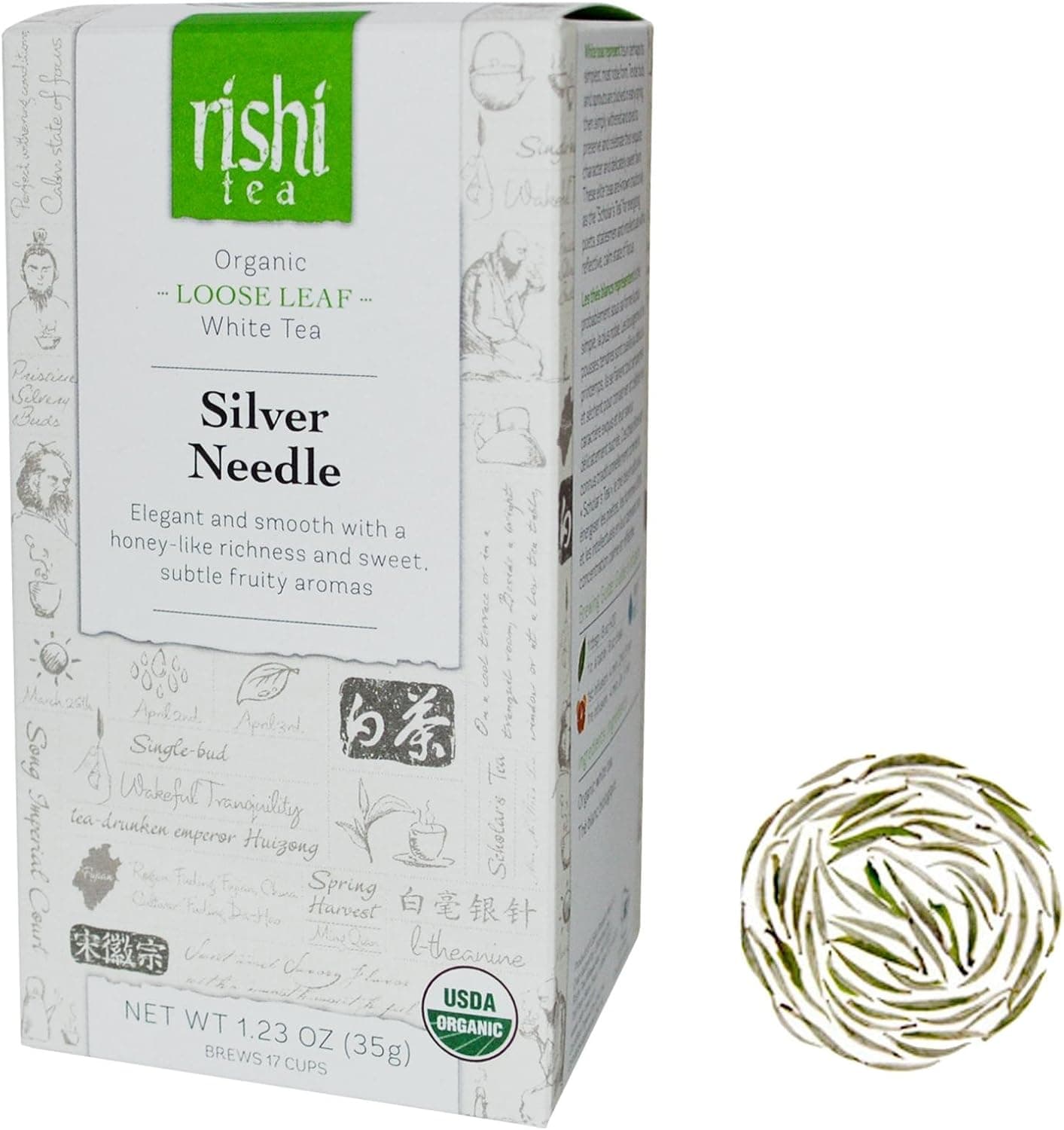
+ Rishi Tea is known for carefully sourced, high-quality teas
From our guide: Best White Tea: Delicate Loose Leaf Picks
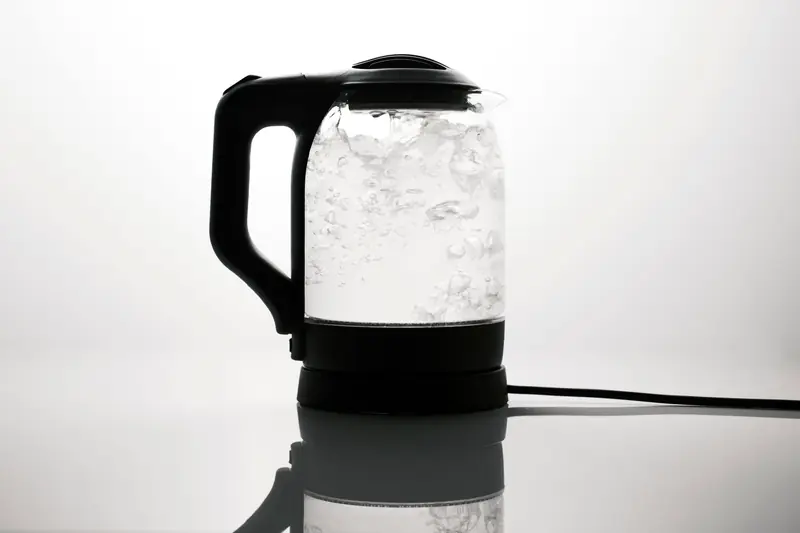
Green tea is the most temperature-sensitive category. Most Japanese and Chinese greens shine between 160 and 175 degrees Fahrenheit. Tender Japanese greens like gyokuro can go even lower, around 140 to 160, to preserve their sweet, marine character. Boiling water on a green tea cooks out the amino acids that give it its savory smoothness and leaves behind harsh tannins.
White tea is similarly gentle but a touch more forgiving. Aim for roughly 170 to 185 degrees. Delicate silver needle whites lean toward the lower end, while heartier white peony blends tolerate slightly hotter water. Because white tea leaves are barely processed, hot water can strip their subtle honey and melon notes very quickly.
Oolong covers a wide spectrum, so temperature depends on the style. Lighter, greener oolongs do well around 185 to 195 degrees, while darker, roasted oolongs and rolled varieties benefit from a near-boil at 195 to 205. The higher heat helps tightly rolled leaves open up and release their layered, sometimes toasty flavors across multiple steeps.
Black tea and pu-erh are the workhorses that want real heat. Pour water at 200 to 212 degrees, essentially a rolling boil, to fully extract their bold, malty depth. Cooler water leaves black tea weak and flat. Pu-erh in particular benefits from a quick rinse with boiling water before the first proper steep, which wakes up the compressed leaves.
Herbal teas and tisanes, which include chamomile, peppermint, rooibos, and fruit blends, are technically not tea at all but still follow a rule: use a full boil at 212 degrees. These ingredients are tougher than tea leaves and need maximum heat and often a longer steep of five to seven minutes to release their full flavor and aroma.
If you do not have a variable-temperature kettle, you can still hit these ranges by ear. After water boils, it drops roughly ten degrees per minute in an open cup or pot, so waiting one minute lands you near 200, two minutes near 185, and three minutes near 175. A cheap instant-read thermometer removes all doubt. Once you internalize these bands, you will taste the difference in the very first cup, and each tea in your collection will finally show what it is capable of.
Popular right now
- Best Tea Storage TinsBuying guide
- Descaling a KettleArticle
- Tea-to-water ratio explainedGlossary
- Best Electric Tea KettlesBuying guide
- Best Glass Electric KettlesBuying guide
- Best Matcha Bowls: Chawan Picks for WhiskingBuying guide
Based on the last 28 days of search and visitor data.