Pu-erh Basics
Published How we research
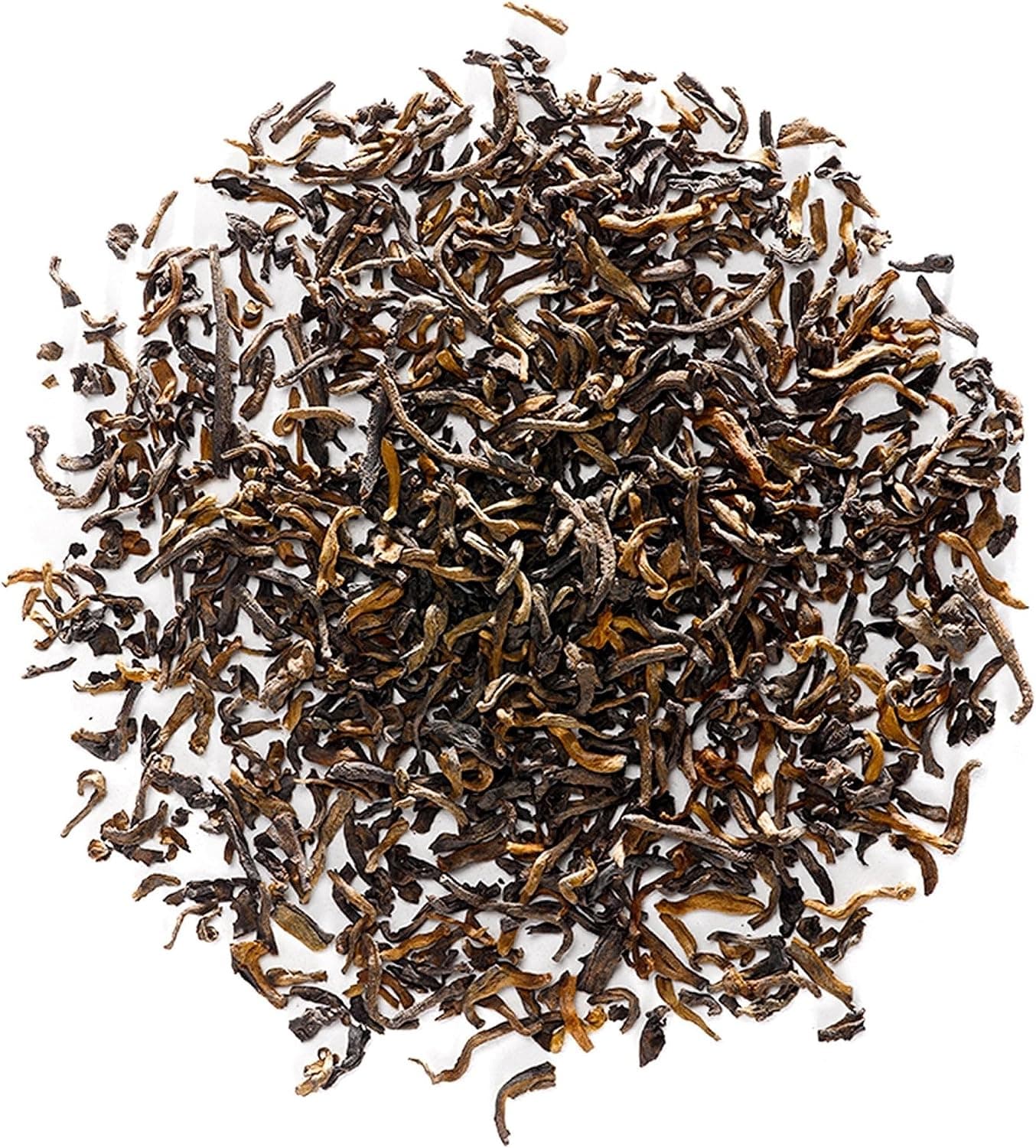
Pu-erh is a post-fermented tea transformed by microbial action over time, unlike the oxidation that defines black tea, giving it a smooth, earthy character. Raw pu-erh (sheng) ages slowly over years, starting brisk and mellowing gradually, while ripe pu-erh (shou) undergoes accelerated fermentation for a smooth, mellow tea sooner and is friendlier for beginners. Well-stored raw pu-erh improves and deepens in flavor with age, sometimes becoming valuable. Brewing starts with a quick rinse to wake the compressed leaves, using near-boiling water, then short gongfu-style repeated steeps that evolve from bold and earthy to soft and sweet. Pu-erh is one of the most intriguing categories of tea, distinct from green, black, and oolong because it undergoes a process of fermentation and aging. Named for a region in China's Yunnan province, pu-erh is often pressed into cakes or bricks and can be aged for years, developing deep, mellow, earthy flavors unlike any other tea. For newcomers it can seem mysterious, but the basics are approachable.
Products from this article
The highest-scoring picks from the buying guides this article links to. Scores are our editorial assessment, not customer ratings.
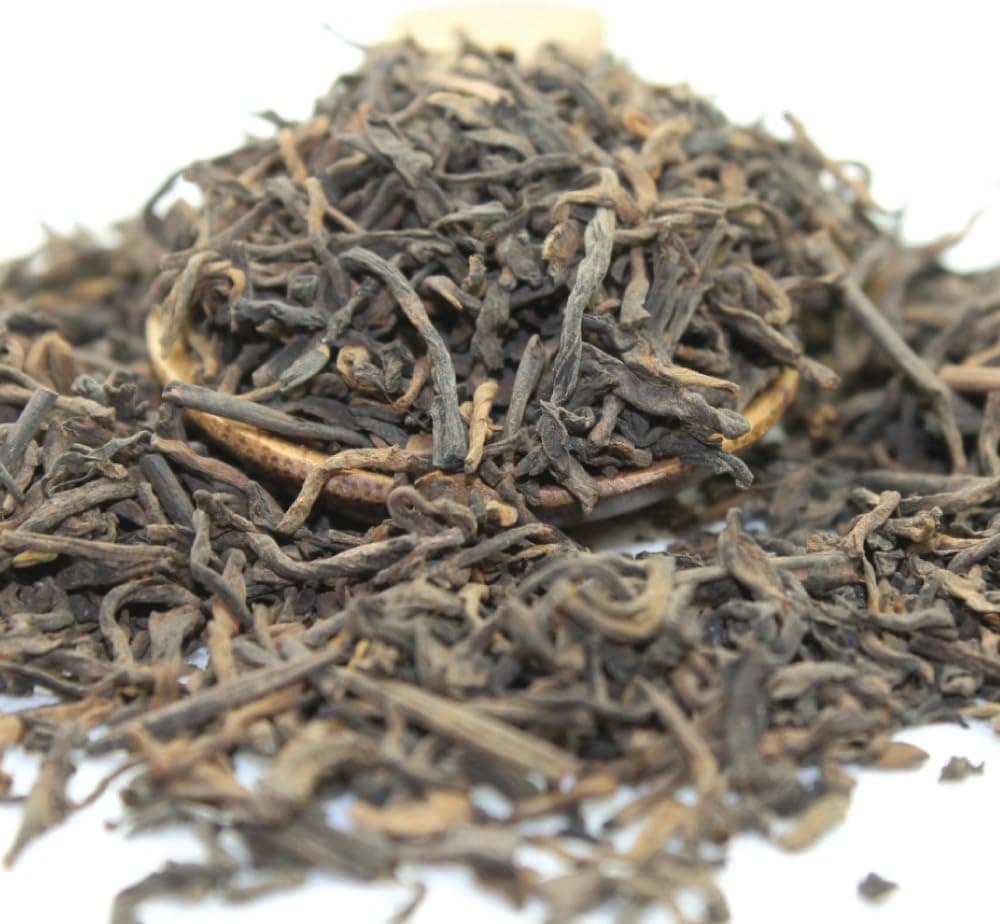
+ 5 Years Aged ripe pu-erh tends to be smoother and less musty
From our guide: Best Pu-erh Tea: Ripe and Raw Styles Explained
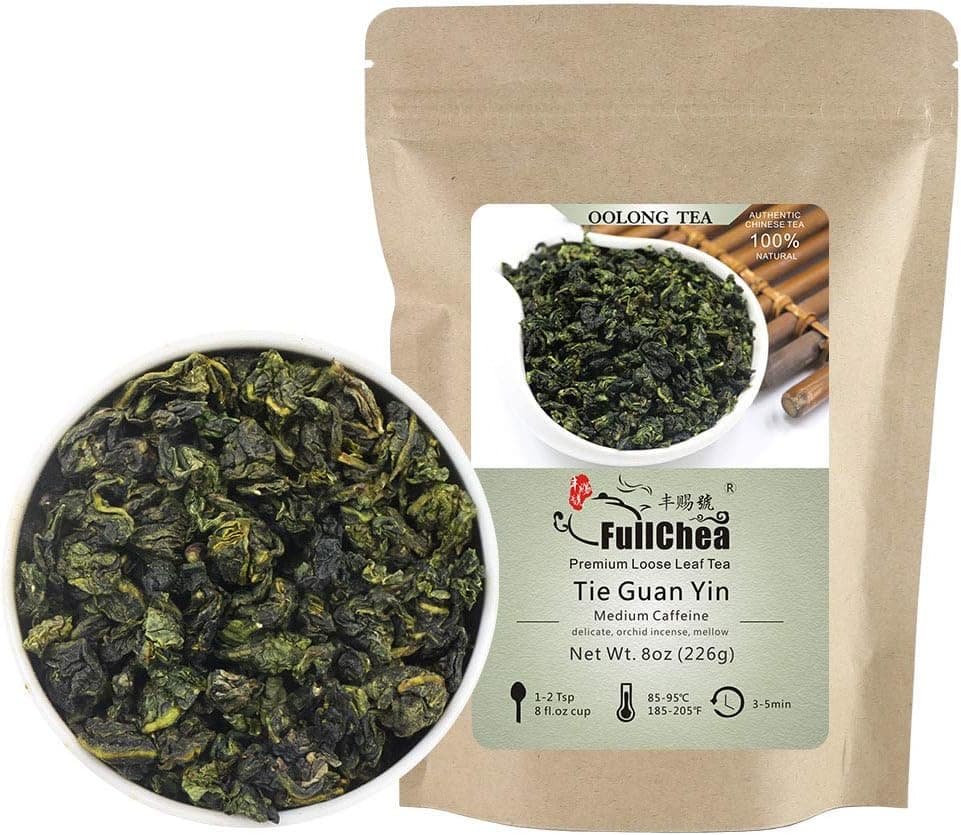
+ Anxi origin is the classic region for Tieguanyin oolong
From our guide: Best Oolong Tea: Light to Dark Styles Compared
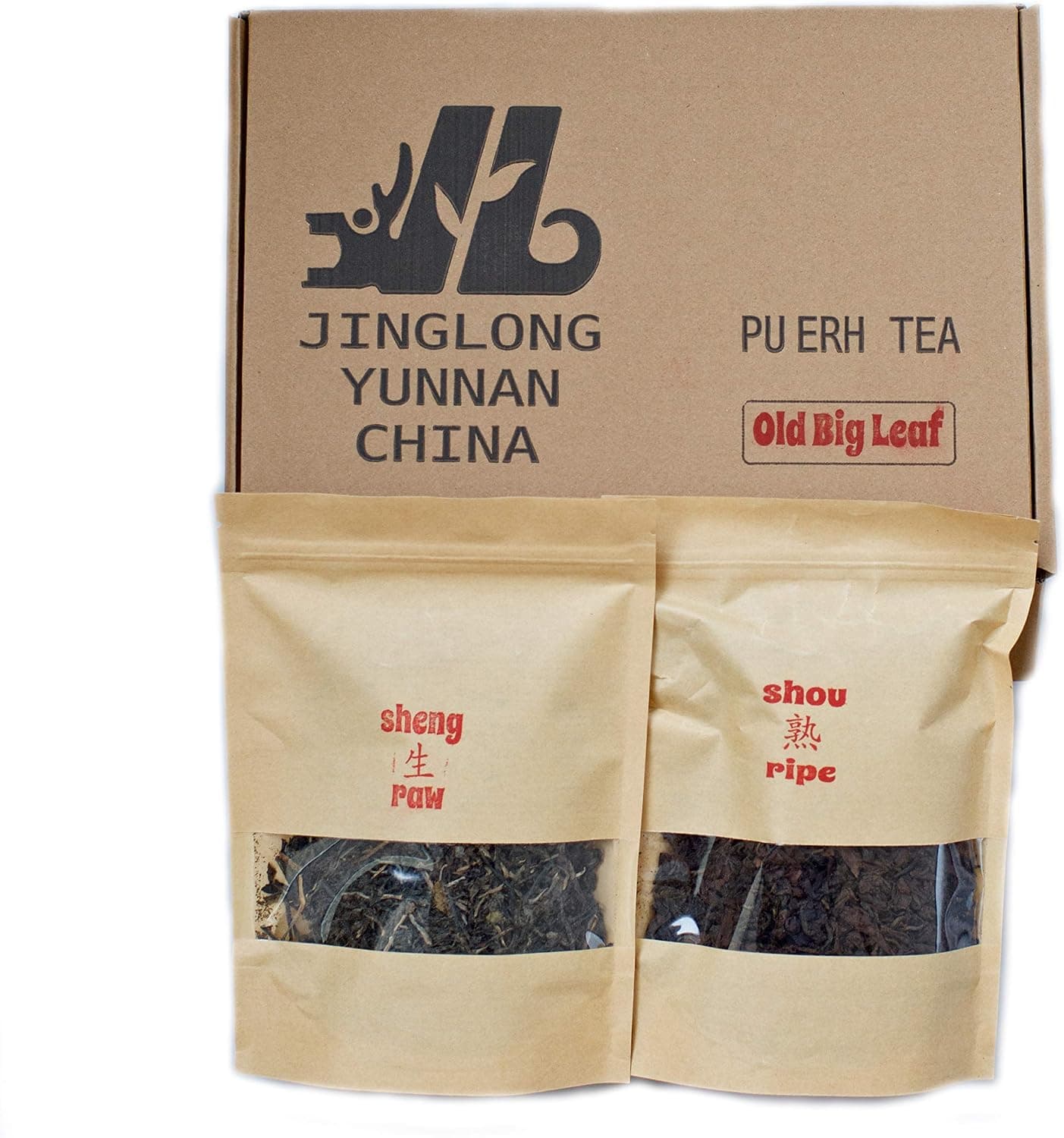
+ Ripe and Raw Sampler lets you compare the two main pu-erh styles
From our guide: Best Pu-erh Tea: Ripe and Raw Styles Explained
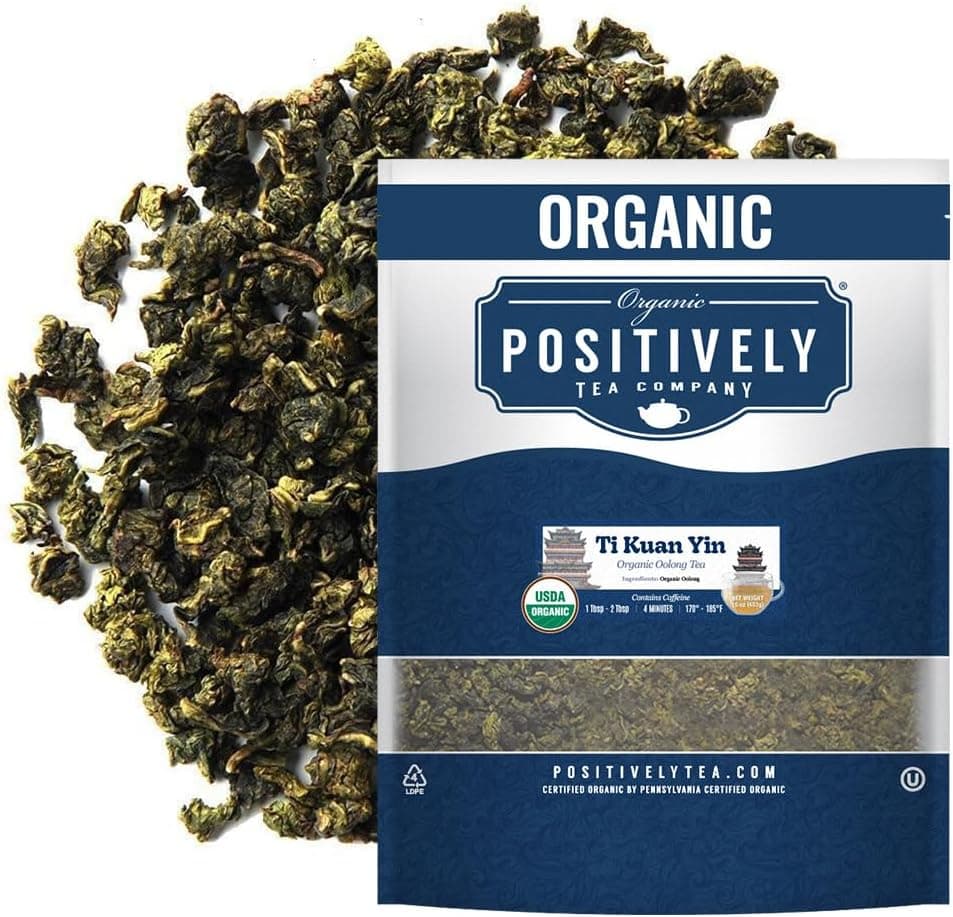
+ Ti Kuan Yin is one of China's most famous oolong styles
From our guide: Best Oolong Tea: Light to Dark Styles Compared
What sets pu-erh apart is microbial fermentation
What sets pu-erh apart is microbial fermentation. Unlike the oxidation that defines black tea, pu-erh is transformed by microbes acting on the leaves over time, a process more akin to how cheese or wine develops. This is why pu-erh is described as a post-fermented or dark tea, and it is the source of its characteristic smooth, earthy, sometimes woody or sweet character.
There are two main styles: raw and ripe
There are two main styles, and understanding the difference is essential. Raw pu-erh, called sheng, is made in a traditional way and then aged slowly over years, starting out brisk and sometimes astringent and mellowing gradually with time. Ripe pu-erh, called shou, was developed to speed up the process through an accelerated fermentation, producing a dark, smooth, mellow tea much sooner. Ripe pu-erh is often the friendlier entry point for beginners.
Pu-erh is famous for improving with age
Pu-erh is famous for improving with age. Well-stored raw pu-erh in particular is prized for how its flavor deepens and softens over years or even decades, and aged cakes can become quite valuable. This aging potential is unusual in the tea world, where most teas are best fresh, and it gives pu-erh a collectible dimension that fascinates enthusiasts.
Brewing pu-erh rewards a particular approach
Brewing pu-erh rewards a particular approach. Because the leaves are often compressed, you gently break off a piece from the cake, and most brewers begin with a quick rinse, pouring hot water over the leaves and discarding it immediately to wake them up and wash away any dust. Use hot water near boiling, since pu-erh stands up to and benefits from high heat.
Short, repeated steeps suit pu-erh best
After the rinse, pu-erh is ideally suited to short, repeated steeps in the gongfu style. Using a gaiwan or small pot, you steep for brief periods and re-infuse many times, and pu-erh is remarkably generous, often yielding numerous flavorful steeps from one portion. Each infusion evolves, moving from bold and earthy early on to soft and sweet as the session continues.
A rich and rewarding journey for the curious
For anyone curious to explore beyond the familiar tea types, pu-erh offers a rich and rewarding journey. Starting with a good ripe pu-erh gives you an accessible, smooth introduction to its earthy charm, and from there you can venture into raw pu-erh and the world of aging. It is a tea that invites patience and attention, and it repays both with a depth of flavor few other teas can match.
Frequently asked questions
What is the difference between raw and ripe pu-erh? Raw pu-erh (sheng) is aged slowly over years, starting brisk and mellowing gradually, while ripe pu-erh (shou) undergoes accelerated fermentation to produce a dark, smooth, mellow tea much sooner.
Why does pu-erh taste different from other teas? Unlike the oxidation that defines black tea, pu-erh is transformed by microbial fermentation acting on the leaves over time, more akin to how cheese or wine develops.
Why do you rinse pu-erh before brewing? Most brewers begin with a quick rinse, pouring hot water over the leaves and discarding it immediately, to wake up the compressed leaves and wash away any dust.
Does pu-erh tea improve with age? Yes, well-stored raw pu-erh in particular is prized for how its flavor deepens and softens over years or even decades, giving it a collectible dimension unusual in the tea world.
Popular right now
- Best Tea Storage TinsBuying guide
- Descaling a KettleArticle
- Tea-to-water ratio explainedGlossary
- Best Electric Tea KettlesBuying guide
- Best Glass Electric KettlesBuying guide
- Best Matcha Bowls: Chawan Picks for WhiskingBuying guide
Based on the last 28 days of search and visitor data.